

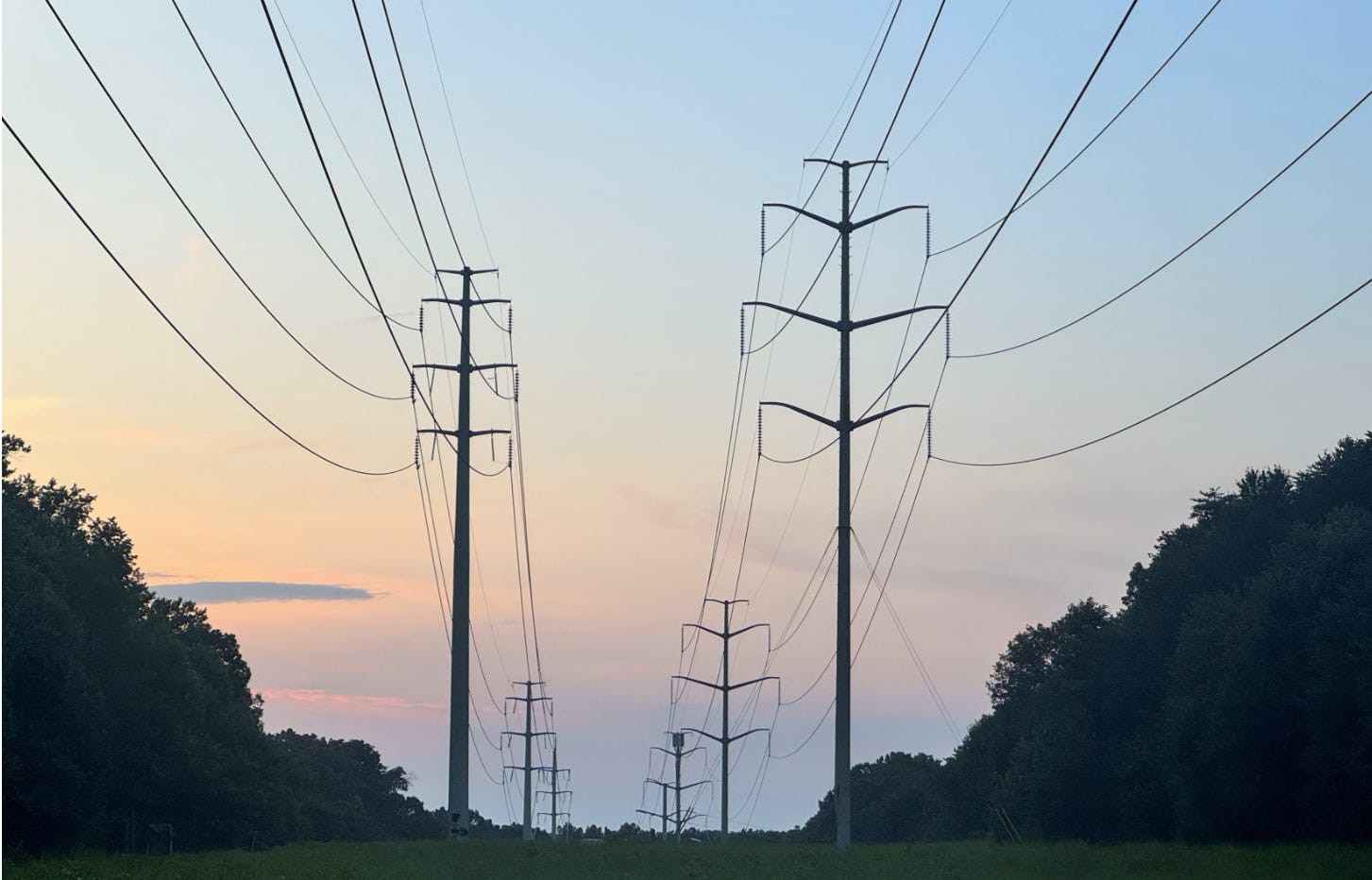
Moore Bets Big on Local Power—and Says Marylanders Will See the Difference
High‑ranking administration officials were unusually blunt this week: Maryland’s energy system is being squeezed from both ends, and the people paying the price are the ones who can least afford it. Between a profit‑driven regional grid operator and a federal government dismantling consumer protections, the state’s energy landscape has become a case study in how national dysfunction lands squarely on household budgets.
And yet, in the middle of that mess, the Moore administration is making a very different kind of bet—one rooted in local power, local investment, and a belief that Maryland doesn’t have to wait for anyone else to get its act together.
On Tuesday, senior officials previewed the Lower Bills and Local Power Act, a sweeping package that anchors the administration’s 2026 legislative agenda. The goal is deceptively simple: make energy cheaper and more reliable for Maryland families. The mechanics, however, reflect a level of strategic planning that’s been missing from Annapolis for years.
“This is about taking control of our own future,” one top official told the Wire. “If Washington won’t protect consumers, and if PJM won’t prioritize reliability, then Maryland will.”
A $200 Million Push to Put Money Back in People’s Pockets
Roughly half of the package’s funding—$100 million—goes straight to Maryland households in the form of new utility bill rebates. That’s on top of the $200 million already delivered through last year’s Next Generation Energy Act.
In a year when families are watching every dollar, the administration is leaning hard into direct relief. Not symbolic gestures. Not pilot programs. Actual money.
One senior aide framed it this way: “If the federal government is going to pull back support, we’re going to push forward twice as hard.”
Modernizing the Grid Without Waiting for PJM’s Permission Slip
The administration’s frustration with PJM is no secret. Officials say the grid operator has been slow‑walking affordable, ready‑to‑build clean energy projects while green‑lighting expensive transmission upgrades that pad profits but don’t fix reliability.
The new legislation forces a different approach.
Utilities would now be required to prioritize advanced transmission technologies—the kind that increase capacity without years of construction delays. And in a move that’s already turning heads, the bill directs $10 million to the Maryland Department of Transportation to map out high‑voltage transmission and battery storage corridors along state and interstate highways.
It’s a rare moment where transportation planning and energy planning are being treated as the same conversation—which, frankly, they always should have been.
Local Energy, Built by Marylanders, for Marylanders
The heart of the package is a new Solar and Energy Storage Gap Financing Program, seeded with $70 million from the Strategic Energy Investment Fund. The goal: get shovel‑ready clean energy projects off the sidelines and into construction.
Administration officials say the need is urgent. Cuts to the federal Investment Tax Credit under the One Big Beautiful Bill Act have left dozens of Maryland projects in limbo. The state is stepping in to stabilize financing and keep local developers moving.
And in a move that will delight consumer advocates, the legislation eliminates the 0.5% incentive that lets utilities collect extra profits simply for joining PJM. Ending that carve‑out, officials say, will save Maryland families “tens of millions of dollars annually.”
A Four‑Year Record That’s Starting to Look Like a Strategy
The Lower Bills and Local Power Act doesn’t stand alone. It builds on a four‑year run of climate and clean‑energy investments that now total more than $300 million in the FY2027 budget alone.
That includes:
- $100 million to offset lost federal subsidies
- $20 million for EV charging in multi‑family housing
- $30 million for building electrification
- $42 million for climate research
- $27.75 million for energy efficiency upgrades in low‑ and moderate‑income housing
- $20 million to install clean energy on state property
- $15 million to modernize existing transmission and distribution infrastructure
- $10 million to advance high‑voltage transmission planning
Taken together, it’s a portfolio that looks less like a collection of line items and more like a long‑term blueprint.
A Governor Governing in Hard Times
Maryland isn’t operating in a vacuum. Federal rollbacks, PJM bottlenecks, and national economic uncertainty have created a brutal environment for any state trying to keep energy affordable.
But here’s the thing: Marylanders aren’t hearing excuses from their governor. They’re seeing action.
The administration’s posture is clear—if the national landscape is unstable, then Maryland will build its own stability. If families are squeezed, the state will push back. If the grid operator won’t modernize, Maryland will.
It’s a governing philosophy rooted in optimism, but not naïveté. Hopeful, but not passive. And in a moment when many states are retreating from long‑term planning, Moore is leaning into it.
One senior official put it simply: “We’re not waiting for someone else to fix this. We’re doing it ourselves.”
For Maryland families staring down another year of unpredictable bills, that’s not just policy. It’s reassurance.