

The Beer Illusion: How a Secret Demographic Crisis Triggered War in Annapolis


Every major political earthquake in Annapolis leaves behind two separate histories. There is the public theater—the press conferences, the soaring rhetoric, and the battle lines drawn for television cameras. And then there is the room where the polling cross-tabs are opened, the numbers are crunched, and a campaign’s survival strategy is born.
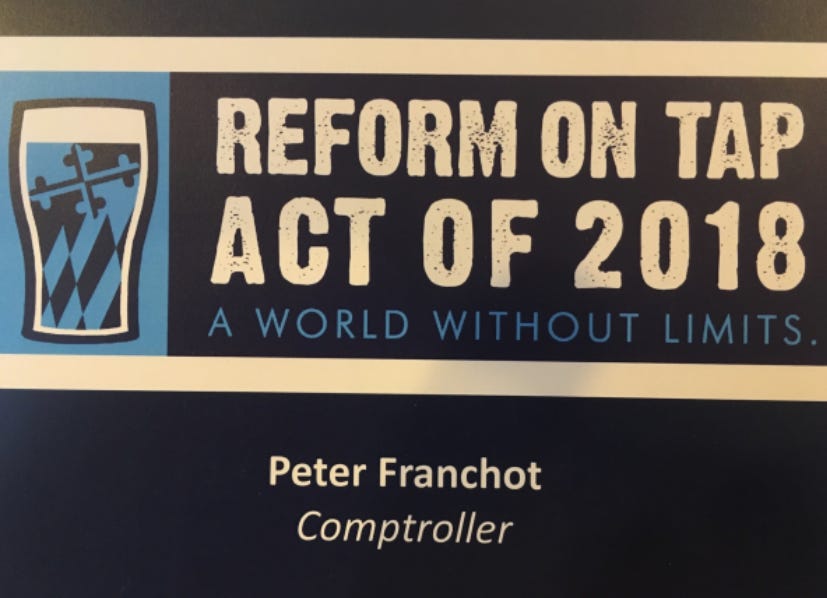
To understand the legendary "Reform on Tap" campaign, you cannot look at it as a simple legislative dispute over craft breweries. It was something far bigger: a masterclass in political defense engineered by strategist Len Foxwell to save Comptroller Peter Franchot from an invisible demographic cliff—and the clash it ignited with institutional leaders like Dereck Davis who smelled a setup.
Part I: The Secret Pan in the Yukon
In the lead-up to the 2018 election cycle, Comptroller Peter Franchot occupied a gilded position on paper. But behind closed doors, his chief strategist, Len Foxwell, was looking at internal polling data that contained a quiet, terrifying truth.
Franchot’s base was heavily weighted toward voters aged 50 and older. In the critical A35–49 demographic—the rising, suburban, middle-aged core of the Maryland electorate—his numbers were quietly sliding off a cliff.
┌─────────────────────────────────────────────────────────────────────────┐
│                    THE HIDDEN DEMOGRAPHIC CLIFF                         │
├─────────────────────────────────────────────────────────────────────────┤
│ • 50+ DEMOGRAPHIC : Deeply loyal, highly reliable, but aging out.       │
│ • A35–49 COHORT   : Sliding fast; zero cultural or policy connection.  │
│ • THE EXISTENTIAL : A sliding incumbent invites a primary challenge.   │
│ • THE SOLUTION    : Manufacture a issue to project relevance.          │
└─────────────────────────────────────────────────────────────────────────┘
In Maryland politics, weakness is smelled instantly. Had the State House establishment—specifically Senate President Thomas V. "Mike" Miller and House Speaker Michael Busch—realized Franchot was collapsing among younger voters, they would have smelled blood in the water. The "Mike and Mike" machine possessed the money and influence to recruit a formidable primary challenger to erase Franchot from the board.
Foxwell operated like a Yukon prospector. Swirling the raw polling cross-tabs in his pan, he washed away the noise until he found the gold: Maryland's exploding craft brewery scene.
Microbreweries were hip, local, and deeply relevant to voters in their 30s and 40s. They symbolized local economy, neighborhood revitalization, and small-business hustle. By seizing on archaic, Prohibition-era alcohol laws, Foxwell didn't just find an issue—he engineered a vehicle to make a wine-drinking, patrician Comptroller look like a populist folk hero to the very voters he was losing.
Part II: The View from the Dais—Dereck Davis Holds the Line
While Foxwell was crafting a political miracle, the view from the legislative dais looked entirely different.
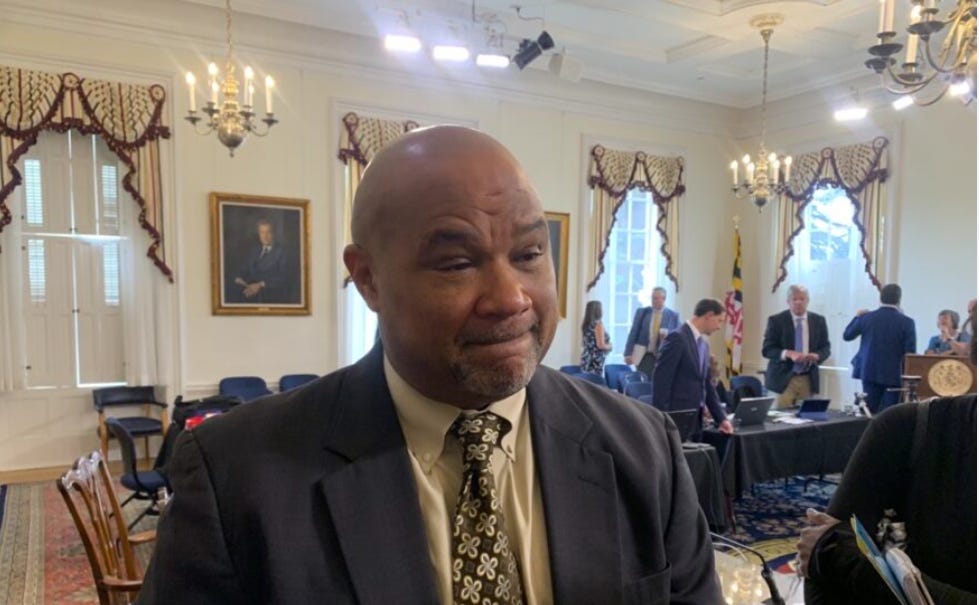
State Treasurer Dereck Davis—then serving as the powerful Chairman of the House Economic Matters Committee—is widely considered one of the sharpest, most grounded politicians in Maryland. Davis had no idea Franchot’s internal numbers were in freefall. What Davis and House leadership did see was a Comptroller suddenly bringing high-octane political theater into a committee room where it didn't belong.
As Davis recalls, Franchot was turning up the heat in Economic Matters long after the primary craft beer legislation had already cleared the House and moved to the Senate. The real legislative battle line was in the Senate, yet Franchot kept bringing the cameras and the outrage to Davis's committee room.
To Davis and the establishment, it felt insincere. They suspected Franchot didn't actually care about microbreweries—that the whole thing was a calculated publicity stunt designed to score cheap points at the legislature's expense.
Because the establishment perceived the crusade as political posturing, they fought back. Hard. The resulting friction generated massive headlines, brutal social media fights, and genuine anger. Both sides were technically right within their own orbits:
Foxwell and Franchot had to push relentlessly to keep the campaign alive and build Franchot’s relevance with the 35–49 cohort.
Davis and House Leadership were rightly defending legislative mechanics against what they accurately recognized as campaign-driven theater.
┌────────────────────────────────────────────────────────────────────────┐
│                        TWO SIDES OF THE SAME WAR                       │
├───────────────────────────────────┬────────────────────────────────────┤
│      THE FOXWELL STRATEGY         │      THE DERECK DAVIS REALITY      │
├───────────────────────────────────┼────────────────────────────────────┤
│ • Driven by hidden polling data   │ • Unaware of the internal polling  │
│   showing a collapse in A35–49.   │   collapse driving the push.       │
│ • Needed a high-visibility issue  │ • Saw a bill that had already      │
│   to project populist relevance.  │   cleared the House to the Senate. │
│ • Raised a glass of IPA (then     │ • Pushed back against what felt    │
│   handed it off) for the camera.  │   like an artificial media stunt.  │
└───────────────────────────────────┴────────────────────────────────────┘
What made Davis stand out during that brutal stretch was his character. Despite the fierce friction, Davis maintained a professional respect for both Franchot and Foxwell. Known as an institutional leader who welcomes scrutiny—operating under the rule that "an honest man doesn't have to hide what he does"—Davis evaluated the fight with rare objectivity.
In fact, Davis openly respected the sheer audacity of Franchot’s most infamous move: walking down to Lawyers Mall to hold a sign at an SEIU rally telling Mike Miller to "Take a Hike." Very few politicians in Maryland history—Republican or Democrat—had the spine to confront Miller so publicly. Davis recognized the raw political nerve it took, even as others viewed it as madness.
Part III: The Birth of Maryland’s "Third Party"
Foxwell’s gambit didn't just work; it completely rewired Maryland's political geography and created a whole new dynamic:
The Establishment Democrats: Controlling the General Assembly, the committee chairs, and state spending.
The Republicans: Holding the executive mansion under Larry Hogan, but lacking the legislative numbers to prevent veto overrides.
The Franchot-Foxwell "Third Party": A populist, anti-establishment movement that gave disaffected voters a home.
For hundreds of thousands of Marylanders who hated the Annapolis machine but couldn't bring themselves to vote Republican, Franchot became the ultimate alternative. He gave wine-toast speeches while raising a glass of IPA for the flashbulbs, handed the glass off to a staffer after a tiny sip, and rode the populist wave all the way to the bank.
By defusing the threat of a primary challenge before his opponents even knew he was vulnerable, Foxwell delivered a crushing victory in 2018. Franchot shattered records, pulling 72.1% of the statewide vote and carrying 22 of 24 counties.
It remains one of the most brilliant pieces of political engineering in Maryland history—a story where a strategist’s secret polling pan, a candidate's theatrical pivot, and an institutional leader's steadfast integrity all collided to shape the state we see today.
Thank you, Barry, for a terrific look back at the good old days. A simpler time. I personally believe it is time to come back together and take a fresh look at the address the challenges facing Maryland’s craft beer industry.
And the ultimate results: Franchot so incensed the Legislators that he lost control of Alcohol, Tobacco and Cannabis; Fired Foxwell; Lost the Primary.