

A Follow-Up on the Young Democrats of Maryland Scandal
In recent days, a young woman—here referred to as Jane Doe—has publicly shared her account of sustained abuse by a chapter president and Executive Board member of the Young Democrats of Maryland (YDM). Her story, posted in response to my earlier editorial, outlines a disturbing pattern of emotional, physical, and sexual assault, followed by institutional evasion and procedural manipulation within YDM’s leadership.
Although Jane Doe has chosen to speak under her full name in public forums (She later deleted.), I have deliberately chosen not to publish it here. I believe that editorial restraint is warranted when dealing with private individuals, especially survivors of trauma. I suspect Jane Doe may read this article, and I want to make clear: she is welcome to contact me directly to clarify any points, request corrections, or guide how her story is referenced going forward. I will honor her wishes—confidentially or openly—as she sees fit.
This story is too important to ignore, but too sensitive to exploit. My aim is not to sensationalize, but to illuminate the systemic failures that allowed this situation to unfold—and to hold accountable those who chose silence over integrity.
A Pattern of Evasion
According to Jane Doe, her formal complaint was submitted to YDM in May. Rather than initiating a transparent process, President Ruben Amaya and Executive Vice President Calondra Young allegedly withheld the complaint from the full Executive Board—an action that directly violated YDM’s own bylaws. This concealment, Jane Doe’s claims, was not accidental but deliberate, designed to suppress scrutiny and avoid accountability.
The complaint involved a chapter president with whom Jane Doe had a long-term relationship. She describes repeated emotional abuse, sexual assault, and even attempted strangulation. Diagnosed with PTSD, she sought help through SARC and attempted to re-engage with YDM in a safe and respectful manner. Instead, she was met with silence, obstruction, and legal intimidation.
The NDA That Should Never Have Been
Perhaps the most disturbing element of Jane Doe. account is the alleged use of Non-Disclosure Agreements (NDAs) as a prerequisite for participating in internal hearings. These NDAs, she says, were approved by Robbie Leonard—a lawyer, former candidate, and current delegate to the Democratic National Committee.
Let me be blunt: asking a survivor of sexual abuse and emotional torture to sign an NDA is not the action of a gentleman. It is not the action of a moral or decent person. It is the action of a lawyer with no honor, no dignity, and no integrity. Leonard’s involvement in this matter deserves close scrutiny—not just for his legal posture, but for what it reveals about the culture of deflection within Maryland’s youth political institutions.
Ruben Amaya’s Bid for Higher Office
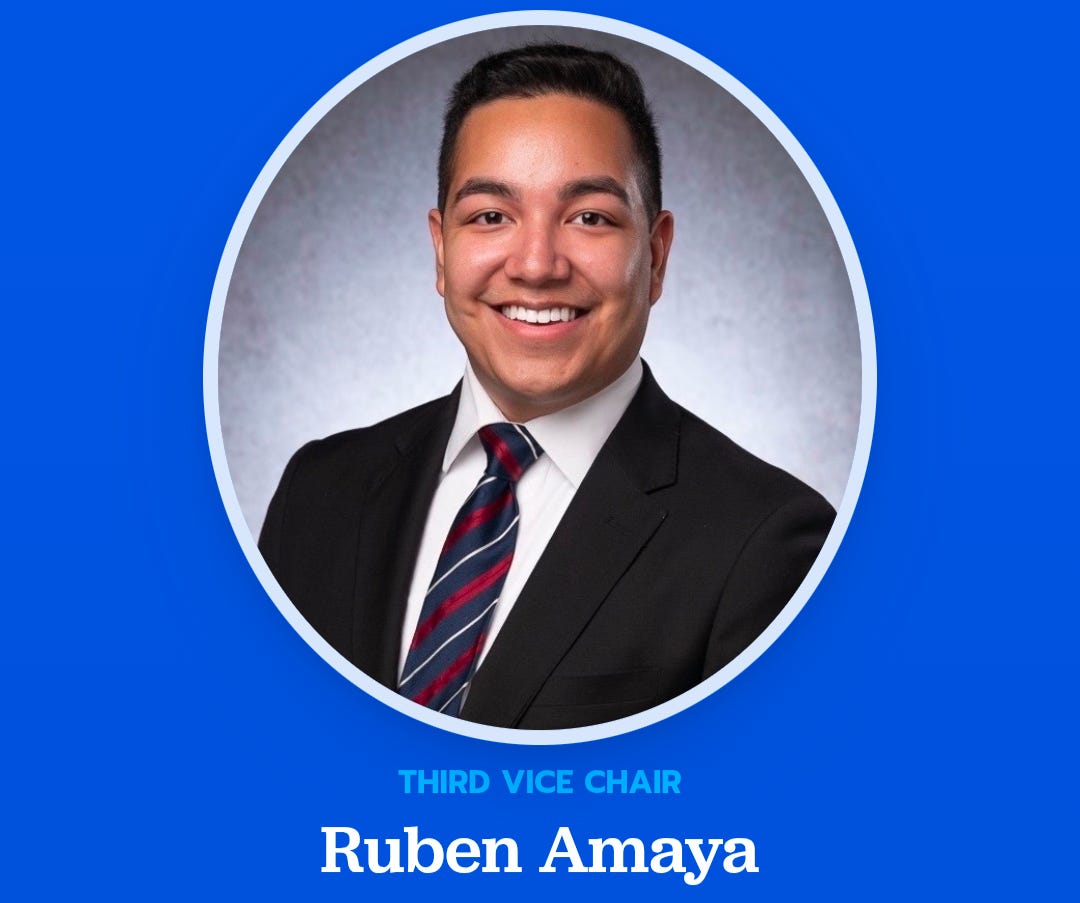
This week, Ruben Amaya announced his candidacy for Baltimore County Council District 2, seeking to fill the vacancy left by Julian Jones Jr., who is running for County Executive. Amaya’s decision to seek higher office while unresolved allegations linger under his leadership is troubling. Voters deserve transparency. They deserve to know whether the candidate they’re being asked to support has demonstrated integrity in the face of crisis—or chosen silence.
A Culture in Crisis
YDM’s Board currently shows three vacancies and one unfilled position. That alone signals instability. But the deeper issue is cultural: when NDAs become the first res
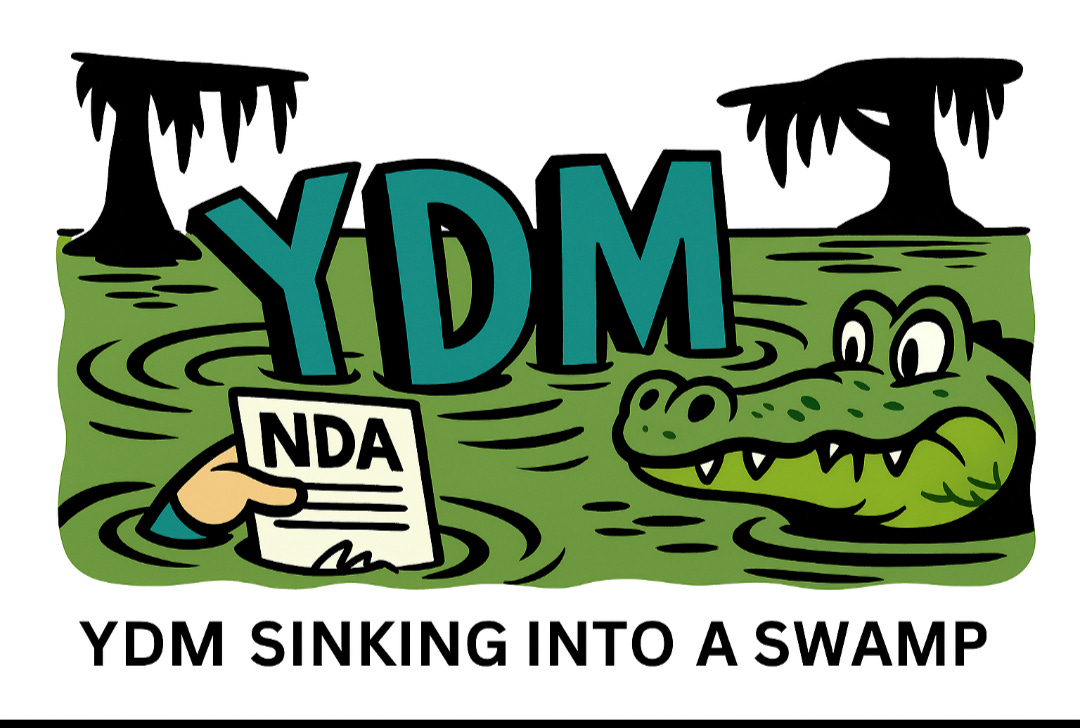
ponse to trauma, when bylaws are bent to protect reputations rather than people, and when survivors are silenced rather than supported, the institution has already failed.
This is not about one chapter, one board, or one lawyer. It’s about whether Maryland’s youth political organizations are prepared to lead with integrity. Survivors deserve more than silence. They deserve systems that protect, not deflect.
A Final Note to Jane Doe.
If you are reading this, know that I see you. I hear you. I have chosen not to use your name out of respect, even though you’ve spoken publicly. If you wish to clarify, correct, or guide how your story is referenced, I welcome your voice. You deserve to be the author of your own narrative, not an unnamed figure in someone else’s.