

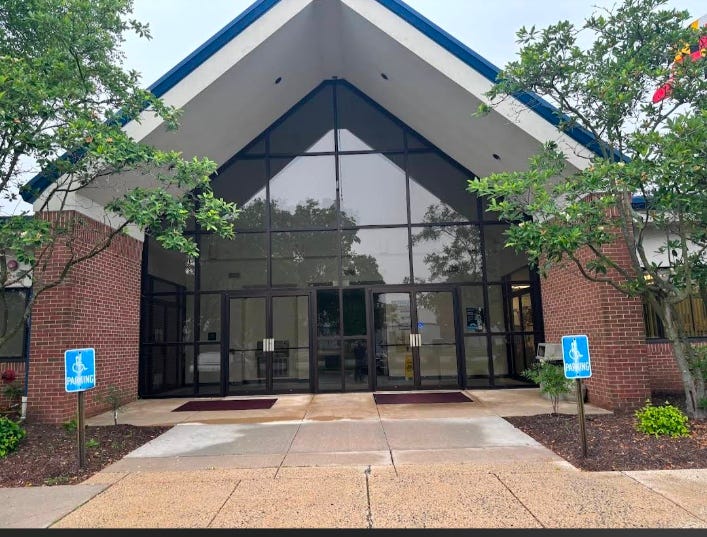
🧭 Why the Comptroller’s Office Is Leaving Cecil for Bel Air — and What It Signals for 2030
There are moves in Maryland politics that announce themselves loudly — press conferences, ribbon cuttings, choreographed applause. And then there are the quieter moves, the ones that slip into the public record with the softest possible footprint but carry unmistakable strategic weight. The Comptroller’s decision to close the Cecil County office and relocate operations to Bel Air belongs firmly in the second category.
On paper, the justification is administrative: better facilities, better access to I‑95, better service delivery. All true. All reasonable. All defensible.
But anyone who has watched statewide politics long enough knows that administrative logic and political logic often run on parallel tracks — and sometimes they merge.
This is one of those moments.
Cecil County: A Place of Sentiment, Not Strategy
Peter Franchot kept an office in Cecil County for reasons that were more moral than political. He believed in geographic fairness. He believed in spreading state jobs across the map. He believed in showing up for communities that didn’t vote for him. It was a philosophy of stewardship, not strategy.
But Cecil County has never rewarded Democrats for that kind of generosity. It is one of the lowest-performing counties for the party in statewide races. The office never translated into political traction. It was a gesture of principle, not a lever of power.
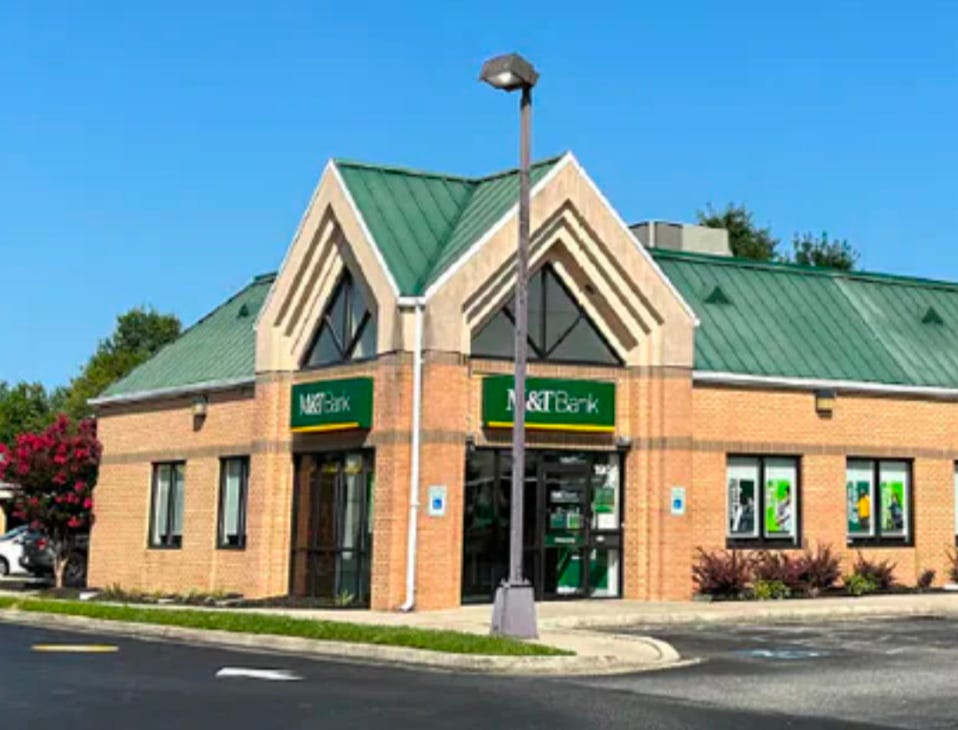
Bel Air: The New Battleground of the Educated Suburbs
Harford County is not a Democratic county — not yet, and not soon. But Bel Air and the southern crescent are not the Harford of old. They are the college‑educated, professionally anchored, country‑club Republican suburbs that have been drifting away from MAGA politics in every state where they exist.
These are the voters who flipped the Philadelphia suburbs.
These are the voters who reshaped Northern Virginia.
These are the voters who turned Montgomery County into a Democratic fortress decades ago.
And in Maryland, these are the voters who live in Bel Air South, Abingdon, Joppa, Riverside, and Belcamp — the only part of Harford where Democrats can grow, and the only part of Harford where a statewide Democrat can build a meaningful base.
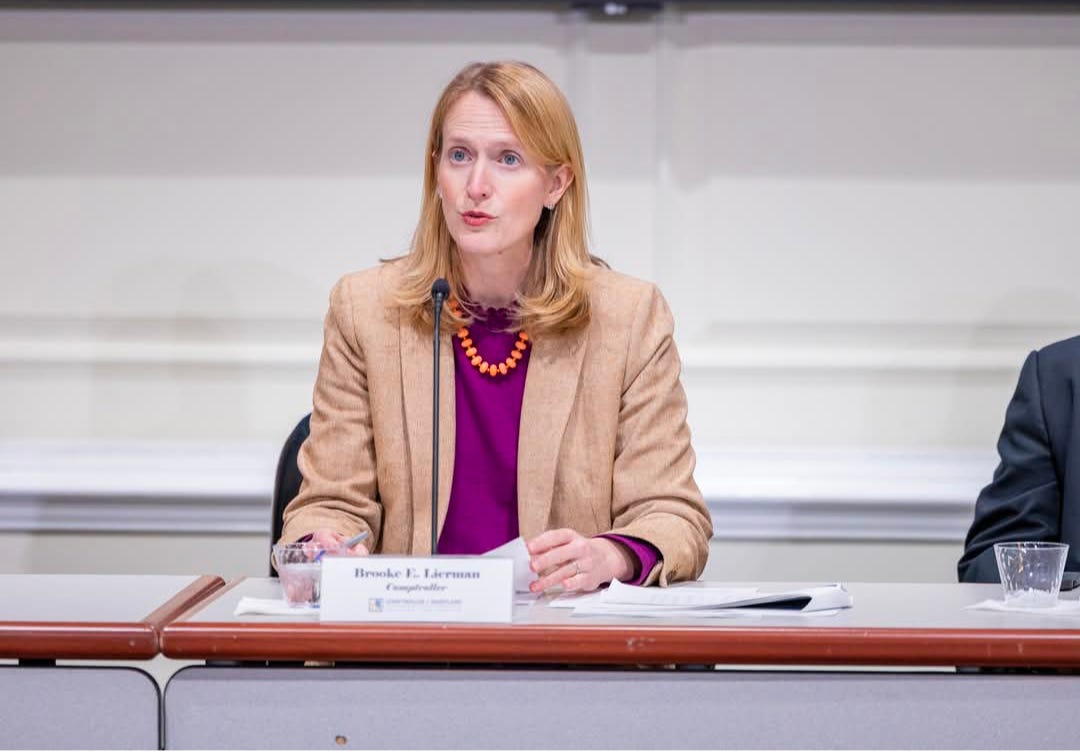
The Comptroller’s Office as a Visibility Engine
A Comptroller’s regional office is not a campaign headquarters. But it is a presence. It is a sign. It is a place where:
- taxpayers walk in
- small business owners interact with staff
- local media occasionally shows up
- elected officials drop by
- community leaders build relationships
In a county where Democrats need every inch of visibility they can get, placing a state office in Bel Air is not trivial — it is strategic infrastructure.
The 2030 Lens
If Brooke is positioning herself for a 2030 gubernatorial run — and insiders increasingly read the tea leaves that way — then the move makes perfect sense.
A future Democratic nominee doesn’t need to win Harford County.
But they do need to avoid losing it catastrophically.
And the only place to do that is the educated, moderate, suburban belt around Bel Air.
A Comptroller’s office there doesn’t guarantee votes. But it guarantees presence. It guarantees relevance. It guarantees that the Comptroller’s name is part of the civic landscape in the only part of Harford where that visibility matters.
The Quiet Logic Behind the Move
No one will say this publicly.
No one needs to.
But the insiders will understand:
- Cecil County offers sentiment, not strategy.
- Bel Air offers strategy, not sentiment.
- And statewide candidates think in terms of strategy.
This is the kind of move that doesn’t make headlines — but it shapes the terrain on which future headlines will be written.
This is a very smart decision by the Comptroller, both politically and governmentally. It’s one that Peter and I should have made a decade ago and didn’t.