


Wes Moore’s Friends, Enemies, and the Coming Special Session
The Reparations Veto and Its Fallout
- Governor Wes Moore vetoed a bill that would have created a commission to study reparations for descendants of enslaved Marylanders.
- His reasoning: Maryland has already conducted studies, and he argued the time for action—not more study—has arrived.
- The veto angered members of the Legislative Black Caucus and progressive allies, who are now pushing for a special session to override.
- If the override succeeds, it would be a public embarrassment for Moore, undermining his authority early in his tenure.

The “Enemies List” Dynamic
- While no press outlet uses the phrase “enemies list,” insiders describe Moore as signaling he may back slates of candidates against legislators who cross him.
- This is a strategic tool, not a fixed list: the threat alone can discipline wavering lawmakers.
- Delegates, often ambitious and eager to move up, could be recruited to challenge entrenched senators if Moore decides to flex his political muscle.
Key Players
- Speaker Adrienne Jones: Focused on a strong Black agenda and presenting herself as acting in the best interests of Marylanders. She is less likely to be targeted directly, but her caucus members face pressure to align with Moore.
- Senate President Bill Ferguson: Known for prioritizing his own agenda. He has historically slapped governors around—Larry Hogan was anexamples. Ferguson may assume Moore can be treated the same way, but Moore is signaling otherwise.
- Moore’s leverage: Unlike Hogan, Moore is a Democrat with statewide recognition. Most Marylanders cannot name their senator or delegate, but they know the governor. That visibility gives Moore unique power if he chooses to run slates.
The Stakes
- Delegates vs. Senators: Delegates often dream of higher office but lack resources. Moore’s backing could change that, making challenges viable.
- Public perception: Voters rarely know their legislators, but they do know Moore. If he frames Ferguson or others as responsible for unpopular policies—like higher power rates from SB1 in 2023—those senators could be politically vulnerable.
- Future ambitions: Moore cannot afford to be seen as weak if he harbors national ambitions. Allowing the Senate to override him without consequence would damage his credibility.
What’s Next
- If the legislature convenes a special session, the showdown will force lawmakers to choose:
- Friend: Support Moore and avoid his political wrath.
- Enemy: Oppose him and risk facing a governor-backed challenger.
- Either way, the session will test whether Moore can reshape the balance of power in Annapolis, moving beyond the tradition of governors being sidelined by legislative overrides.
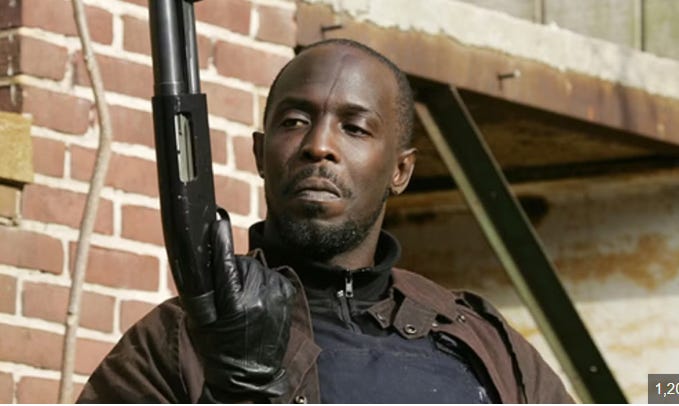
As Omar Little warned in The Wire: “You come at the king, you best not miss.”
- To Governor Wes Moore: You come at the Senate President — you best not miss.
- To Senate President Bill Ferguson: You come at the Governor — you best not miss.
Credit: Omar Little, The Wire
Sources
- Maryland Matters: Moore’s reparations veto echoes another controversial compromise
- AFRO: Maryland Governor Wes Moore vetoes reparations commission bill
- The Hill: How Maryland Gov. Wes Moore can reframe the politics of reparations