

🚚 What the Supreme Court’s Flowers v. Brock Case Means for Regular People
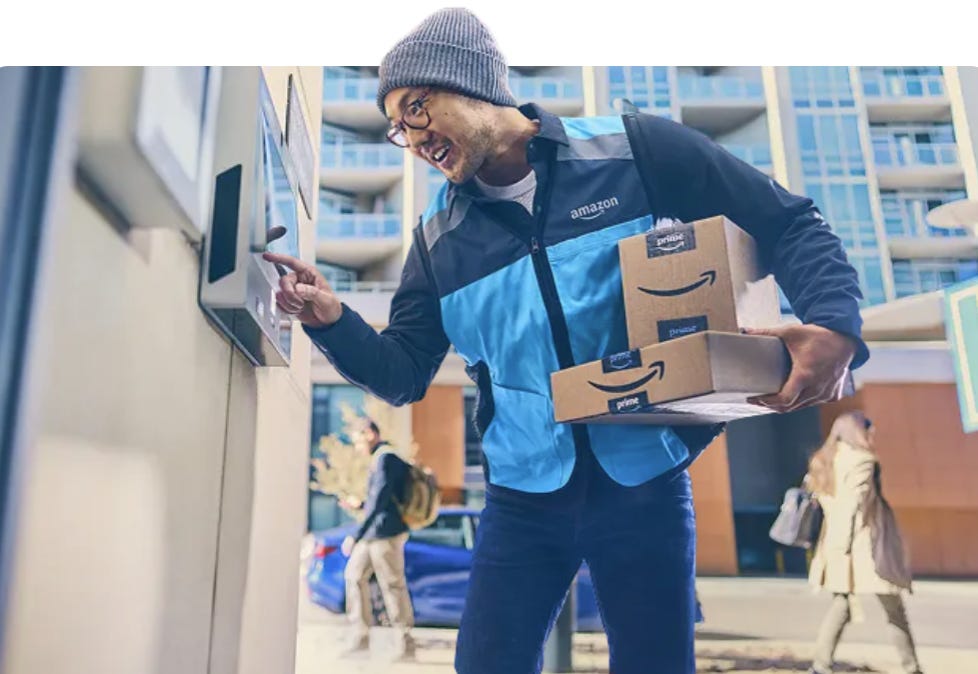
The Supreme Court is hearing a case called Flowers Foods v. Brock, and even though it sounds like a fight between a bakery company and a delivery driver, the ruling could affect millions of people — including Amazon drivers, pizza delivery kids, Instacart shoppers, FedEx workers, and anyone who delivers goods that come from out of state.
This is one of those cases that looks tiny on paper but touches almost every household in Maryland.
🌐 What’s the case actually about?
It comes down to one question:
If you deliver goods that came from out of state, are you part of “interstate commerce”?
Why does that matter?
Because if you are part of interstate commerce, then:
Your employer cannot force you into private arbitration.
You can take them to court.
If you’re not part of interstate commerce, then:
Your employer can force you into arbitration,
and you lose the right to sue in court.
That’s the whole ballgame.
🥖 Who are Flowers and Brock?
- Flowers Foods is a giant baked‑goods company (they make Nature’s Own, Wonder Bread, Tastykake).
- Brock is a delivery driver who delivers Flowers products to stores.
He never crosses state lines.
But the bread he delivers does — it’s baked in one state, shipped to another, and he handles the last leg.
So the question is:
Is Brock part of interstate commerce even if he never leaves Maryland?
⚖️ What happens if Flowers wins?
If the Supreme Court sides with Flowers Foods:
Companies can force most delivery drivers into arbitration.
That means:
- Amazon Flex drivers
- FedEx Ground drivers
- UPS seasonal helpers
- Instacart and Shipt shoppers
- Pizza delivery drivers
- Grocery delivery workers
- Bakery and snack‑route drivers
…would likely lose the right to sue in court over wage theft, unsafe conditions, discrimination, or misclassification.
They could only use private arbitration, which:
- is run by private companies
- usually favors employers
- blocks class‑action lawsuits
- keeps disputes secret
For Maryland, where thousands of people work in last‑mile delivery, this would be a major shift of power toward employers.
⚖️ What happens if Brock wins?
If the Supreme Court sides with Brock:
Most last‑mile delivery drivers would count as “interstate commerce workers.”
That means:
- They cannot be forced into arbitration
- They can sue in court
- They can join class‑action lawsuits
- Companies would face more accountability
This would be a huge win for gig‑economy workers, especially in Montgomery, Prince George’s, Baltimore City, and Anne Arundel — the counties with the highest concentration of delivery jobs.
It would also force companies like Amazon, FedEx, and Uber to rethink how they classify workers.
📦 Why this matters to the average Marylander
Because almost everyone knows someone who:
- delivers Amazon packages
- drives DoorDash or Uber Eats
- works a grocery delivery shift
- delivers bread, snacks, or drinks to stores
- does gig work to pay rent or tuition
This case decides whether those workers have real legal rights or whether companies can keep disputes behind closed doors.
🧭 Why it’s getting so much news
- The Court’s oral arguments were fiery and went viral.
- The case affects millions of workers.
- It could reshape the gig economy.
- It’s a major test of worker rights vs. corporate arbitration.
This isn’t a niche case — it’s a quiet blockbuster.