

Bridging the Gap: How MTBMA Is Rewriting the Playbook on Maryland Transportation Policy
When trade associations push for state infrastructure dollars, the playbook usually defaults to standard rhetoric: macro-economic ROI, congestion relief, and capital preservation. But as the Maryland Department of Transportation (MDOT) continues navigating tight fiscal realities, a quiet shift in strategy is reshaping how the state’s heaviest road-building interests operate in Annapolis.
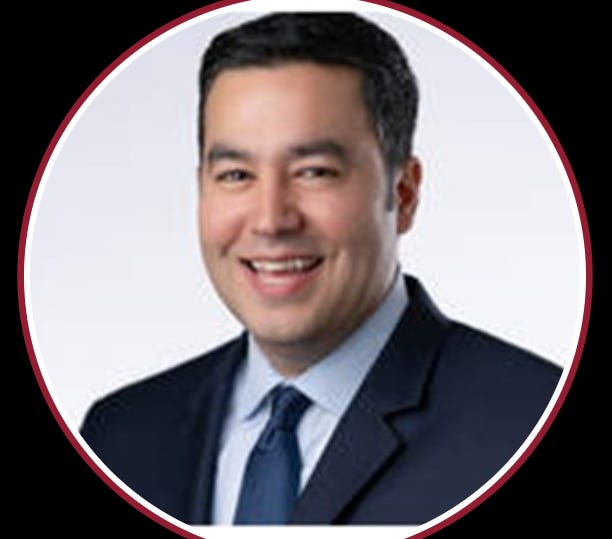
Look no further than recent movements by the Maryland Transportation Builders & Materials Association (MTBMA), led by President & CEO Michael Sakata.
In a sector where heavy contractors and vulnerable road-user advocates have historically operated in separate policy silos, MTBMA’s aggressive backing of the Vulnerable Road User Protection Act (SB 487)—sponsored by Senator Shaneka Johnson (Henson)—signals a far more sophisticated approach to policy and coalition building.
🔒 PAID SUBSCRIBER EXCLUSIVE CONTENT BELOW
You have reached the end of your free preview. Become a supporting subscriber to The Maryland Wire to read the remaining breakdowns article:
It also highlights Sakata’s position as Maryland’s leading advocate for a pragmatic new approach to funding and delivering major generational infrastructure—from a new Chesapeake Bay Bridge span to replacements for the American Legion Bridge and the Thomas Johnson Bridge.
For veteran political strategist Len Foxwell, Sakata’s approach represents a masterclass in breaking through traditional legislative gridlock.
“In a town where even infrastructure investment is subjected to partisan litmus tests, with roads and highways regarded as rural, conservative priorities and mass transit the proper progressive choice, Mike Sakata’s work underscores the silliness of such binary thinking,” Foxwell notes.
“He recognizes that the best transportation networks are those that strike a balance between roads and rail,” Foxwell continues. “He also realizes that the benefits of an effective transportation system—good-paying jobs, fewer accidents and deaths, and congestion relief that improves the way we live—are neither Republican nor Democratic priorities. These are the aspirations to which every city, county, and state must aspire, and they are what Maryland taxpayers rightfully deserve.”
The Policy Mechanics Behind the Push
On its surface, SB 487 targets dangerous driver behavior in high-risk zones via automated enforcement and designated safety corridors. But for insiders following state transportation funding, the legislative mechanics carry broader implications:
Protecting the Capital Pipeline: By aligning road builders directly with MDOT, the State Highway Administration, and safety advocates around targeted corridors, MTBMA establishes that infrastructure investment and roadway safety are two sides of the same coin.
Data-Driven Capital Allocation: Authorizing SHA to establish speed monitoring in high-risk corridors shifts state capital focus directly to targeted, high-priority safety engineering and system preservation—keeping contractor crews active where risk (and need) is highest.
Coalition Bipartisanship: Bridging labor, heavy construction, state regulatory agencies, and legislative leadership creates a formidable legislative block heading into the upcoming fiscal cycle.
A Masterclass in Advocacy
Under Sakata’s smart, strategic, and disciplined leadership, MTBMA is refusing to let transportation funding devolve into a zero-sum game between system preservation and major expansion. By showing up early, cultivating key legislative relationships—such as the association’s close work with Senator Johnson—and championing data-backed safety policies, Sakata is ensuring that contractors aren’t merely reacting to state budgetary constraints, but actively shaping the policy framework that drives project delivery.
With total Maryland traffic fatalities dropping to decade-lows—and pedestrian safety yielding the biggest gains—MTBMA’s message in Annapolis is becoming impossible for lawmakers to ignore: targeted safety efforts, reliable policy, and sustained capital investment must go hand-in-hand.
Michael Sakata: Maryland's Mr. Transportation

Michael Sakata: Maryland’s Quiet Architect of Transportation Renewal