

The 2030 Bench: Speculating on the Next Generation of Maryland Leadership
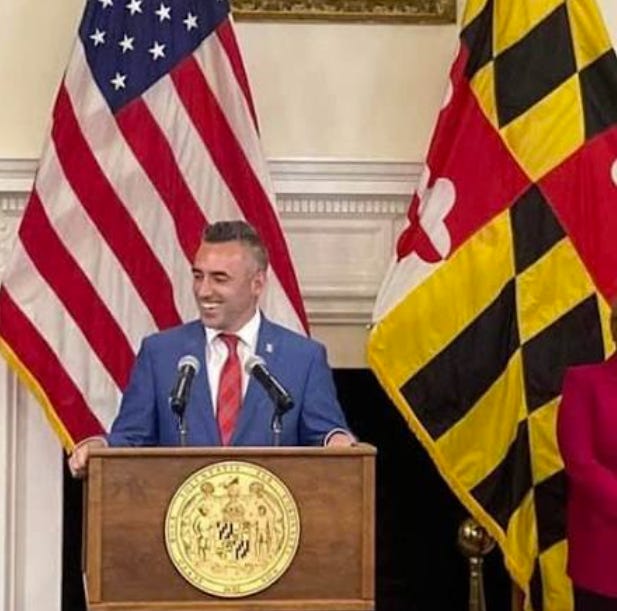
When political observers map out the future of statewide leadership in Annapolis, the immediate focus naturally falls on the established names. However, inside real political strategy circles, the conversations are already looking ahead toward the 2030 cycle—and specifically at how Housing Secretary and former Salisbury Mayor Jake Day might construct a winning ticket.
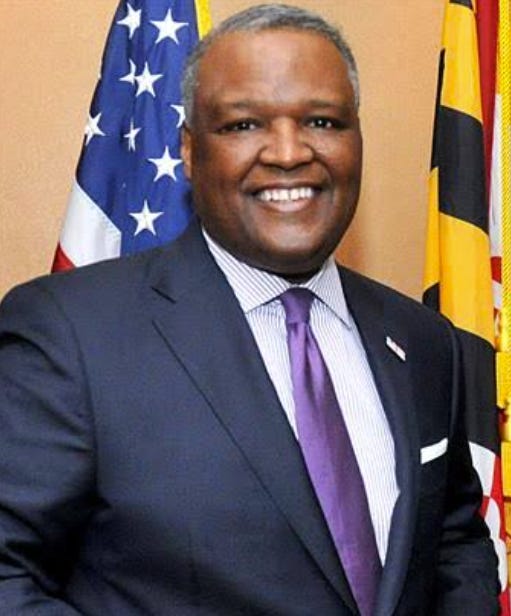
One up and coming political strategist in Maryland recently laid out the tactical calculus for Day as he contemplates his next moves. While former Prince George’s County Executive Rushern Baker remains an obvious, highly accomplished, and deeply respected figure, a conventional two-man, center-left ticket carries obvious demographic and geographic limitations in modern Democratic primaries.
To build a broader statewide coalition, two alternative strategies emerge—each bringing distinct geographic strengths and political attributes to a potential ticket.
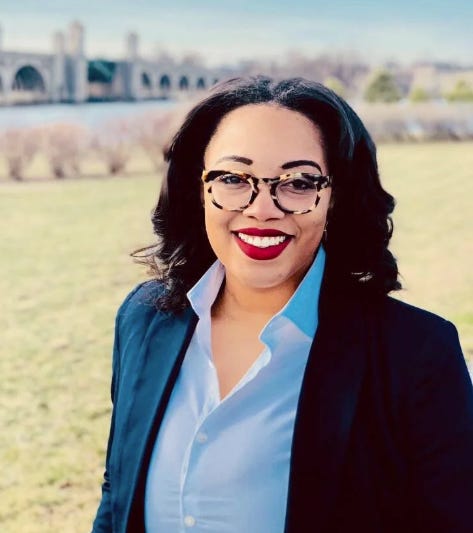
Option 1: The Baltimore Urban Play
The Candidate: Councilwoman Phylicia Porter (Baltimore City Council, District 10).
The Strategy: A partnership with Porter anchors the ticket securely in Baltimore City. Aligned with the influential political network surrounding State Senator Antonio Hayes, Porter brings an extensive background in public health policy, urban revitalization, and grassroots community organizing in South Baltimore.
The Coalition: Combining Day’s Eastern Shore background and executive housing credentials with Porter’s urban policy focus creates a balanced regional dynamic across the I-95 corridor and Eastern Shore.
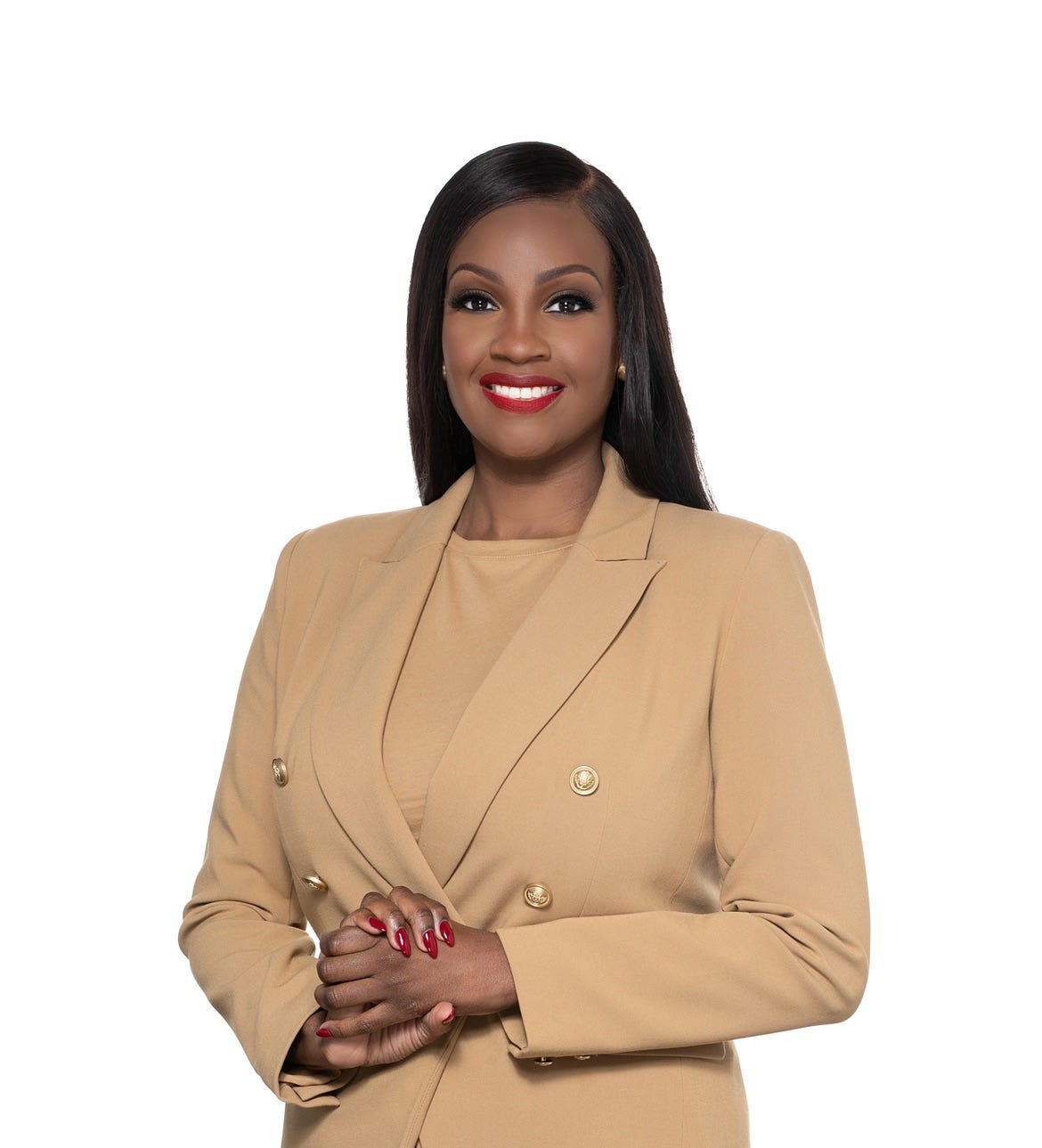
Option 2: The Prince George’s County Coalition
The Candidate: Courtney Finklea Green.
The Strategy: Selecting an emerging leader out of Prince George’s County directly targets the state's most critical Democratic primary voting bloc.
The Coalition: Rather than relying on established regional figures, pairing Day’s executive resume with a strong, rising brand in Prince George's secures essential vote-getting power in Southern Maryland while offering a fresh generational narrative for the state.
Key Takeaways for 2030 Strategic Planning
Demographic & Geographic Balance: Winning a Democratic primary in Maryland increasingly requires tickets to balance suburban, urban, and rural interests, alongside gender and racial representation.
Beyond the Usual Suspects: While established figures offer instant name recognition, political strategists are increasingly eyeing hyper-local vote-getters who hold strong regional brands.
Many Strtegists Are Staying Mum
I reached out to Len Foxwell who is coming off of a hugely successful win with Adrian Boafo and has worked with all of these folks in the past. He declined to comment on these potential races because he said it's still too early.