

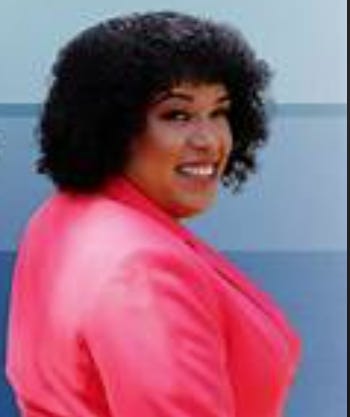
A Public Meltdown That Forced the Council’s Hand
The censure letter describes a rare and severe breakdown of decorum inside a small municipal government that normally functions with quiet, procedural predictability. New Carrollton’s council—typically a low‑drama body focused on zoning, budgets, and neighborhood issues—found itself confronting behavior that, by its own account, crossed every line of professional conduct.
According to the letter, the December 1, 2025 meeting devolved into Briana Urbina saying terrible and shmeful things:
- Vulgar and profane language used in open session
- Direct verbal attacks on another councilmember
- Racially charged statements, including invoking “people of color” in a way the Council deemed improper
- Publicly labeling a resident as mentally ill
- Repeated defiance of both the Mayor and the Council Chair
- Walking out of the meeting while continuing to shout insults
This is not routine disagreement. This is the kind of conduct that municipal bodies typically only address through formal reprimands when they believe the behavior threatens the legitimacy of the institution itself.
The Council’s language—“materially undermined the integrity of the Council and public confidence”—is the strongest condemnation a small city government can issue short of removal from office.
Why This Was So Serious in New Carrollton’s Context
New Carrollton is a small, tightly knit municipality where elected officials are expected to model neighbor‑to‑neighbor civility. The city’s own public materials emphasize:
- Hybrid, accessible meetings
- Open public participation
- A culture of inclusion and community-building
Councilmembers are not distant political figures; they are residents who live among the people they serve. That proximity makes decorum even more important. When a councilmember uses profanity, attacks colleagues, or disparages residents, it is not abstract political theater—it is a direct breach of community trust.
The Council’s decision to issue a formal censure signals that they viewed the incident not as a momentary lapse, but as a threat to the functioning of the body.
The Racial Dimension: Why the Council Flagged It
The letter specifically calls out Urbina’s statements “invoking race and alleging improper inclusion of ‘people of color’ in civic matters.”
That phrasing is notable. It suggests the Council believed she was:
- Using racial identity as a rhetorical weapon
- Casting doubt on the legitimacy of participation by residents of color
- Introducing racial tension into a municipal proceeding
Given that New Carrollton is a diverse community in Prince George’s County—one of the most racially diverse and politically active counties in Maryland—this kind of allegation carries significant weight.
The Council’s decision to highlight it in writing indicates they saw it as beyond normal political disagreement and potentially damaging to community cohesion.
The Failed Apology: Why the Council Rejected It
The Council reviewed Urbina’s December 15 remarks, which she framed as an apology. They concluded:
- She focused on justifying her behavior
- She offered minimal acknowledgment of wrongdoing
- She did not provide assurance that the conduct would not recur
This is important. In small-city politics, apologies are often enough to resolve conflict. The fact that the Council rejected hers suggests they believed she was doubling down, not repairing the damage.
The letter’s tone implies the Council felt compelled to act because Urbina did not take responsibility.
The Political Optics: What This Means for the Council
A censure is not symbolic in a city this size. It is a public declaration that:
- A member’s conduct was unacceptable
- The Council must protect its institutional legitimacy
- The behavior was severe enough to warrant a permanent record
The signatures—Council Chair Duane Rosenberg, Vice Chair Cynthia Mills, Mayor Pro Tem Lincoln Lashley, and Councilmember Agnelli Sybel Malavé—represent a broad cross-section of the city’s leadership. These are not fringe figures; they are the core of the governing body.
Their unified signatures signal that this was not a factional dispute. It was a consensus judgment.
A Breakdown of Public Trust in a Small City
A routine municipal meeting in New Carrollton erupted into chaos when Councilmember Briana Urbina launched into profanity, personal attacks, racially charged remarks, and insults toward both colleagues and residents. Despite repeated attempts by the Mayor and Council Chair to restore order, Urbina escalated the confrontation, ultimately walking out while continuing to shout vulgarities.
Two weeks later, her attempted apology failed to acknowledge wrongdoing or reassure the public that the behavior would not happen again.
Faced with conduct they believed undermined public trust and the integrity of the institution, the Council issued a rare and formal censure—signed by the city’s top elected leaders—declaring that such behavior has no place in New Carrollton’s government.
This framing is accurate, grounded in the document, and consistent with the city’s public-facing governance norms.