

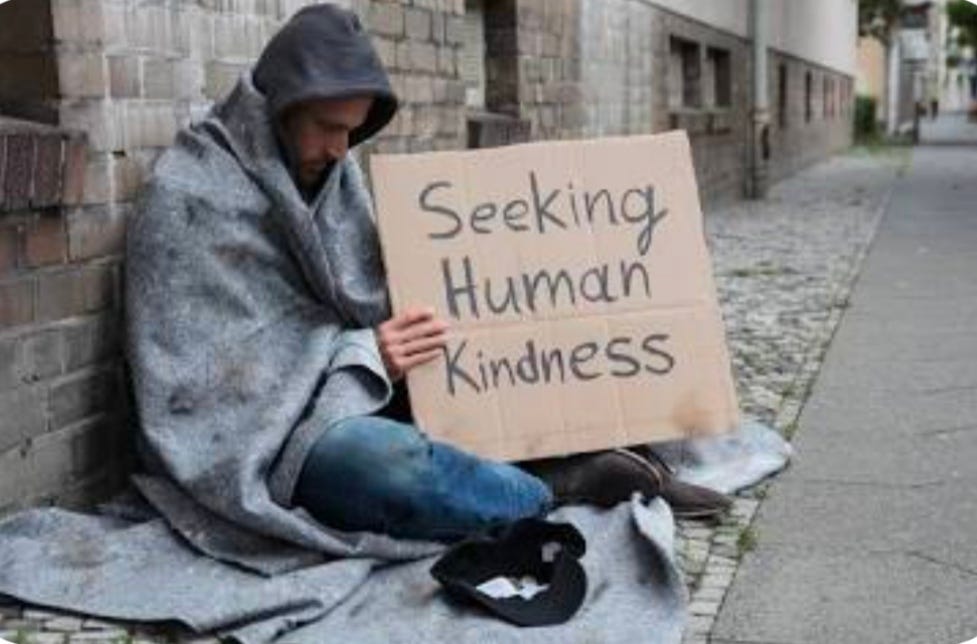
On August 8, Hagerstown’s new ordinance goes into effect, making it illegal to sleep in public spaces—including vehicles parked in public areas and city-owned parking decks. The penalty? Up to 60 days in jail and a $500 fine. The city council passed it unanimously, citing public safety. But what they’ve really done is criminalize the act of being tired and poor.
Let’s be clear: this isn’t about loitering or obstruction. This is about sleep. The most basic human function. And it’s being treated like a misdemeanor.
🧠 Constitutional Fault Lines
The ordinance is skating on thin constitutional ice:
- Fourth Amendment: People have a reasonable expectation of privacy in their vehicles. Courts have upheld this in cases involving surveillance and searches.
- Eighth Amendment: Punishing someone for sleeping outdoors when no shelter is available may constitute cruel and unusual punishment.
- Fourteenth Amendment: Enforcement could disproportionately target unhoused individuals, raising equal protection concerns.
And yet, Hagerstown barrels forward.
🕰️ A Congressman, a Parking Deck, and a Lesson in Humanity
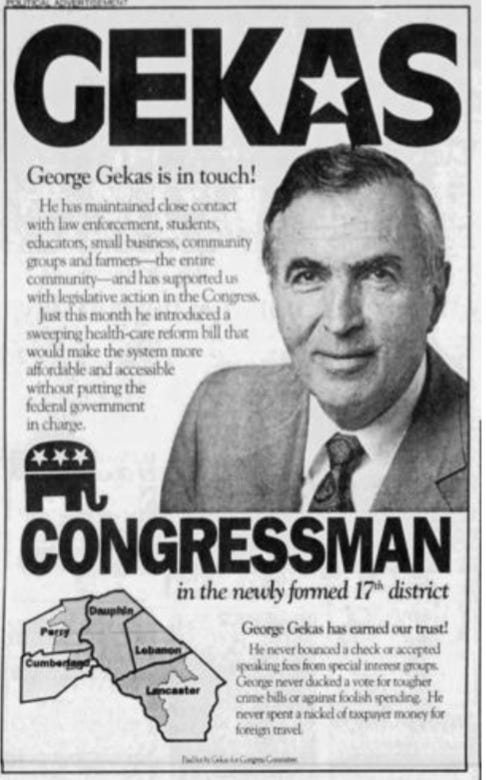
Years ago, my friend Congressman George Gekas, a Republican from Pennsylvania’s 17th District, finished a long day at the Capitol. He got into his car in a public parking garage, intending to drive home to Harrisburg. He never made it. His wife panicked. She called the Pennsylvania State Police, the Capitol Police, even the FBI. Hours later, a Capitol officer found him slumped over in his car. He wasn’t dead. He’d simply fallen asleep.
George was a Greek American, a proud public servant, and a man who worked himself to exhaustion. If he had done that in Hagerstown today, he could’ve been arrested.
So we must ask: If a congressman can fall asleep in a public parking deck, do we really want to criminalize it?
🧱 The Bill That Could’ve Stopped This
The Right to Rest Act (HB1164), introduced by Delegate Jessica Feldmark, would’ve prohibited localities from banning sleeping in public spaces or legally parked vehicles. It didn’t pass before the General Assembly adjourned. And so Hagerstown seized the vacuum.
🧭 Dignity Is Not a Luxury
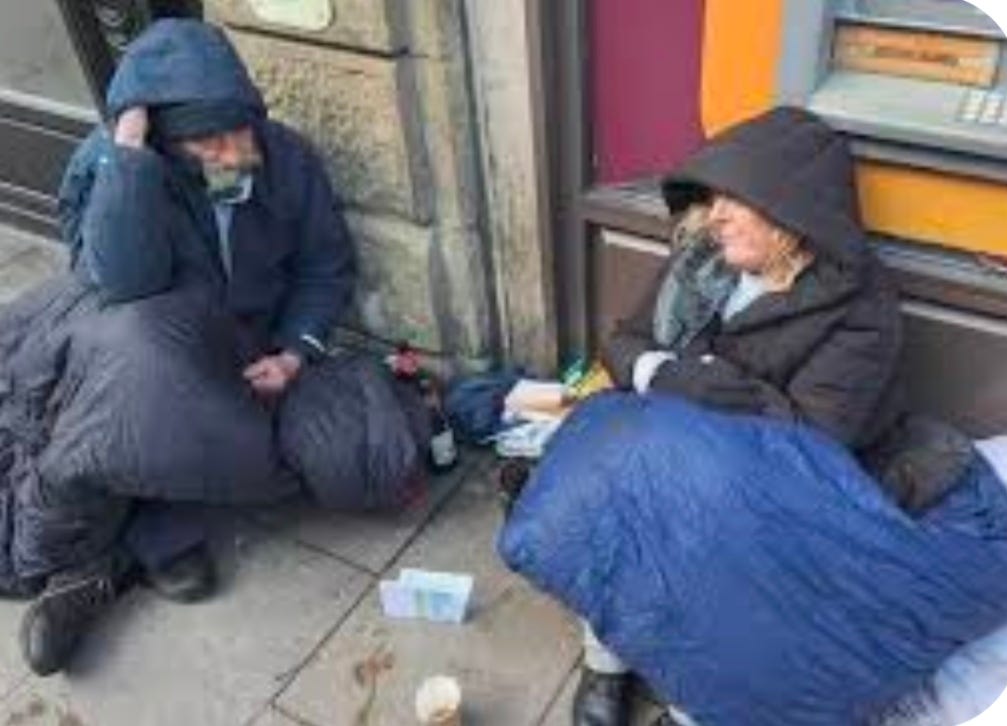
This ordinance isn’t just legally questionable—it’s morally bankrupt. It punishes exhaustion. It treats poverty as a crime. And it sends a message that dignity is conditional.
Let’s not pretend this is about safety. It’s about visibility. It’s about pushing the unhoused out of sight, out of mind, and out of town.