

📰 The Two Ingrids: Surveillance, Sabotage, and the Fight for Prince George’s Soul
By Barry O’Connell | The Maryland Wire
I. Opening Scene: A County on Edge
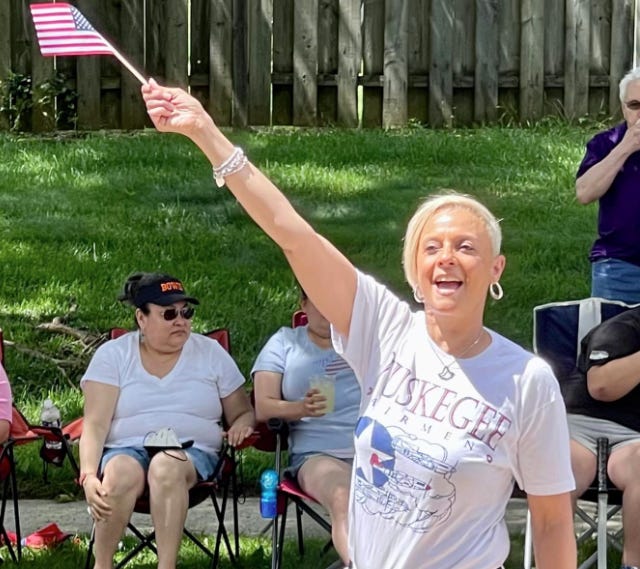
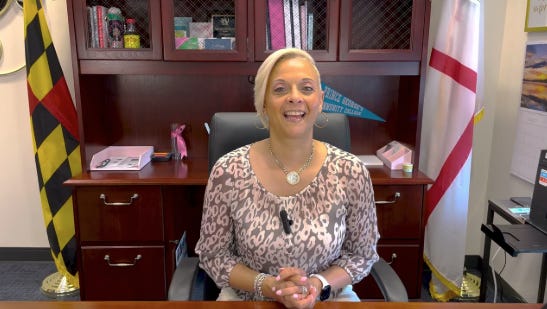
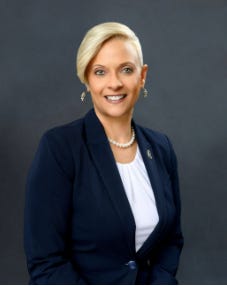
Prince George’s County isn’t just a political battleground—it’s a reputational crucible. At the center of this latest storm stands Ingrid Scott Watson, a civic veteran with 27 years of service, elected to represent District 4 in 2022. Her record is unimpeachable: Bowie City Council, Democratic Central Committee, youth mentorship, and public safety advocacy.
But her quiet integrity made her a target.
Enter Edward Burroughs III, the Council Chair from District 8. Once hailed as a prodigy, Burroughs has morphed into a power broker obsessed with control. His latest move? A covert surveillance operation aimed at disqualifying Watson from office.
II. The Surveillance Play
In early 2024, a private investigator—allegedly hired by a Burroughs-aligned constituent—began tailing Watson. The footage was mundane: walking the dog, taking out trash, entering her husband’s home in District 6. But the intent was surgical. If Watson could be proven to reside outside District 4, she’d be disqualified.
> “We have kind of a dual residence going,” Watson told reporters. “But the majority of my time is in District 4.”
> — Council Meeting, March 2024
The tactic was clear: weaponize domestic life to fracture public trust. But Watson didn’t flinch. She faced the allegations head-on, and the Council ultimately ruled her residency “valid and legally sufficient.”

III. The Council Chessboard
Burroughs’ maneuver wasn’t about geography—it was about domination. He’s been reshaping the Council to serve his interests, sidelining voices of integrity and dissent. Watson, with her quiet resolve and refusal to play transactional politics, became a threat.
> “This isn’t about one address. It’s about whether we allow surveillance and sabotage to become the norm.”
> — Councilmember Krystal Oriadha, closed session notes
Burroughs has cultivated a reputation for tactical aggression. His allies whisper about “loyalty tests” and “strategic removals.” His critics call it what it is: reputational warfare.


IV. The Two Ingrids
The phrase “The Two Ingrids” began circulating in political circles—an eerie metaphor for the reputational split Burroughs tried to engineer.
- One Ingrid is the real public servant: principled, transparent, and deeply rooted in her district.
- The other is the distorted image: a woman allegedly gaming the system, living outside her district, and violating public trust.
But only one Ingrid showed up to Council meetings, answered constituent calls, and stood firm under pressure. The other was a fiction—crafted by a man who couldn’t control her.
V. Climax: Vindication and Exposure
The Council’s ruling in Watson’s favor wasn’t just a legal win—it was a reputational reckoning. Constituents rallied behind her. Editorials called out Burroughs’ tactics. And Watson emerged stronger, her integrity intact.
> “I didn’t run to play games. I ran to serve. And I won’t be intimidated by surveillance or sabotage.”
> — Ingrid Watson, public statement, April 2024
Burroughs, meanwhile, faced growing scrutiny. His allies began distancing themselves. His tactics, once seen as strategic, now looked desperate and dishonest.
VI. Epilogue: The Reckoning
Prince George’s County must decide what kind of leadership it deserves. Do we reward domination or dignity? Do we normalize surveillance or protect civic trust?
Ingrid Watson represents the kind of public servant we need—one who refuses to be defined by political sabotage. Edward Burroughs represents the danger of unchecked ambition.