

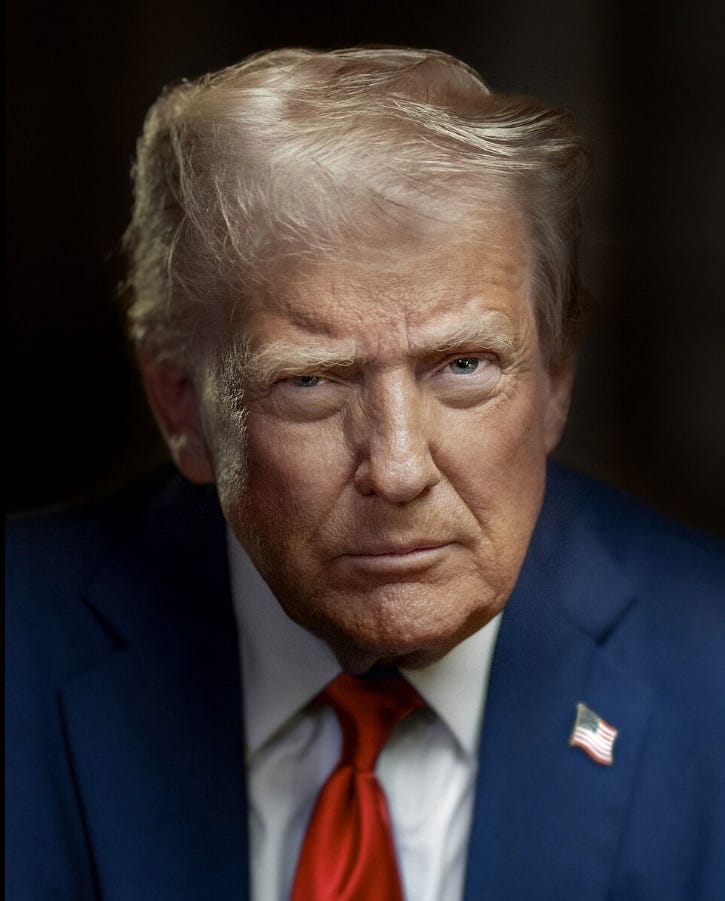
THE TRUMP‑ERA MALAISE: Why Affordability, Anxiety, and Stagnation Define 2026
Maryland Wire — Special Report
The United States entered the Trump presidency with a promise: inflation would fall, prices would normalize, and the cost of living would ease. Some prices did dip — eggs, certain household staples, a few categories of durable goods. But the broader economic reality confronting American families in 2026 is unmistakable:
Affordability has become the defining economic pressure of the Trump era.
This is not recession.
This is not crisis.
This is malaise — a grinding, persistent sense that the personal economy is stuck, even as the national economy looks strong on paper.
And Maryland, with its unique mix of high‑cost metro regions and struggling rural counties, feels this malaise more sharply than most.
I. The National Picture: A Strong Economy That Feels Weak
On the surface, the Trump‑era economy looks robust:
- GDP growth is steady.
- The stock market is near record highs.
- Corporate profits are strong.
- Billionaire wealth continues to expand.
But the lived experience of ordinary Americans tells a different story.
The Grocery Reality
Yes, the price of eggs has come down from its pandemic peak.
But the price of beef is through the roof.
Chicken, bread, cereal, snacks, and household goods remain significantly higher than in 2020–2021.
The overall grocery basket — whether purchased at Walmart, Target, or a local supermarket — is considerably more expensive than it was under Biden. Economists call this price‑level persistence: inflation slows, but prices don’t fall back to where they started.
Gasoline and the Oil Trap
Gasoline prices track global oil markets, and oil is hovering around $100 a barrel.
That is not cheaper than under Biden.
It is not easing.
It is not stabilizing.
And the geopolitical backdrop matters.
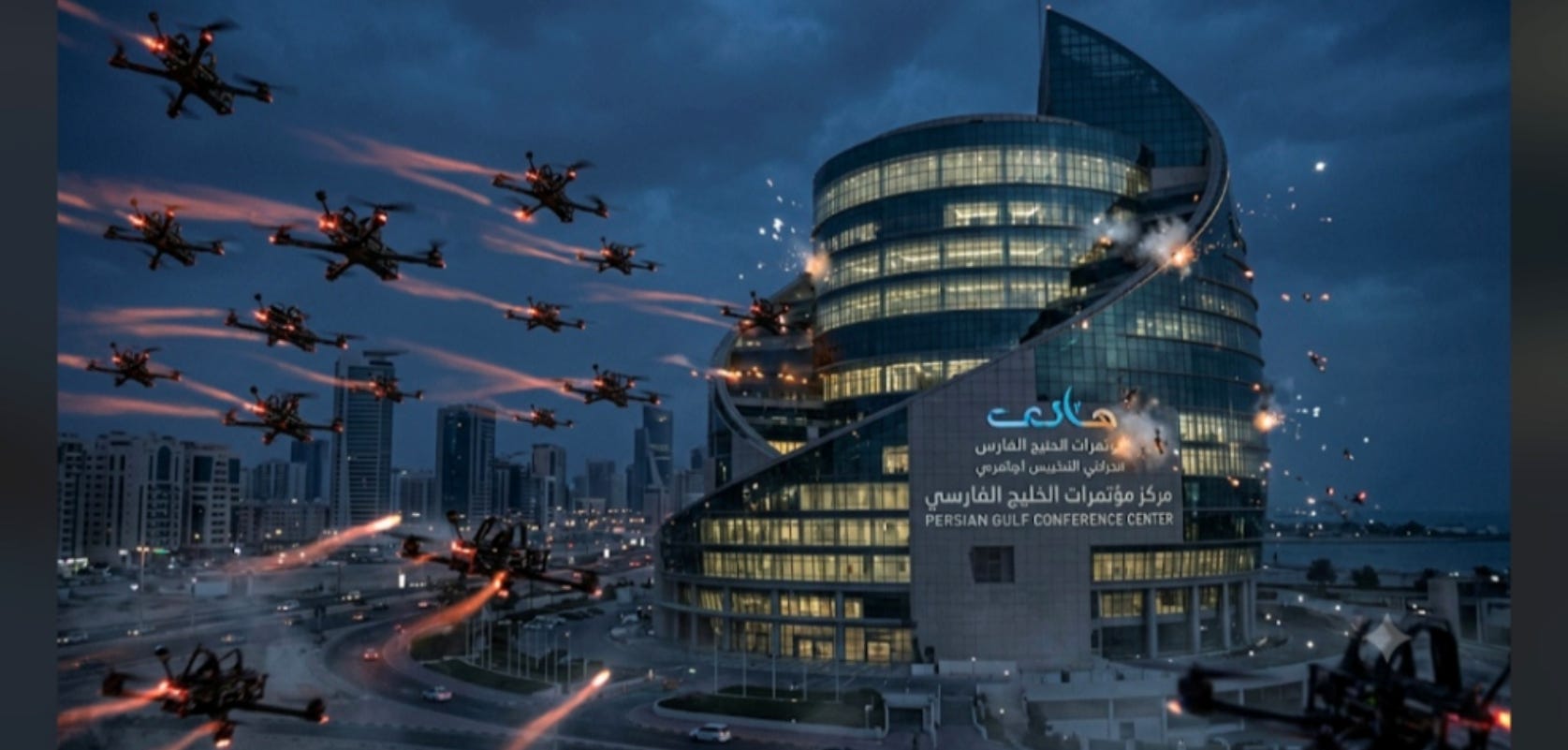
The United States is now entangled in what analysts describe as a “forever conflict” in the Middle East — a grinding, unresolved confrontation with Iran and its proxies. Iran is an oil producer. The U.S. is an oil consumer. Every escalation, every drone strike, every naval incident pushes oil prices upward.
This is structural disadvantage:
Iran profits from volatility.
The U.S. pays for it.
As long as the conflict persists, gasoline prices are unlikely to fall meaningfully.
The Wage‑Earner Squeeze
Asset‑holders — homeowners, investors, landlords, retirees with large portfolios — are thriving.
But wage‑earners are not.
Rent, insurance, medical care, car payments, utilities, and services have all risen faster than wages for many households. The malaise is not about unemployment; it is about affordability.
II. Maryland’s Reality: A State Split Between Prosperity and Pressure
Maryland’s economy is strong on paper.
But Marylanders feel the malaise intensely because of the state’s structural divides.
The I‑95 Corridor: High Costs, High Pressure
From Montgomery County to Baltimore to Harford, Marylanders face:
- some of the highest rents on the East Coast
- rising insurance premiums
- expensive groceries
- elevated transportation costs
- persistent medical‑care inflation
Even families with solid incomes feel squeezed.
Rural Maryland: Stagnation and Shrinking Opportunity
Western Maryland and the Eastern Shore face a different version of malaise:
- slower job growth
- fewer employers
- higher transportation costs
- limited wage competition
- shrinking local retail options
When prices rise, these communities don’t adjust — they absorb the pain.
Maryland’s Energy Exposure
Maryland is not an oil state.
It is an oil‑dependent state.
Every spike in global oil prices hits:
- commuters
- delivery drivers
- small businesses
- rural households with long travel distances
The state’s geography amplifies the national malaise.
III. The Middle East Factor: Why Oil Won’t Fall Anytime Soon
The Trump administration’s posture toward Iran — aggressive sanctions, military pressure, and proxy confrontations — has created a geopolitical environment where oil volatility is the norm.
Iran cannot defeat the United States militarily.
The United States cannot decisively neutralize Iran without massive escalation.
This is the definition of a forever conflict.
And in a forever conflict:
- Iran uses oil as leverage.
- The U.S. absorbs the cost.
- Global markets price in instability.
- Consumers pay at the pump.
This is why analysts do not expect gasoline to return to pre‑2020 levels anytime soon.
IV. The Trump‑Era Malaise: A National Mood With Maryland Characteristics
The malaise is not ideological.
It is not partisan.
It is not limited to one demographic.
It is structural.
It is the feeling that:
- prices rose and never came back down
- wages rose but not enough
- rent is too high
- insurance is too high
- groceries are too high
- gas is too high
- the personal economy is stuck
This is the Trump‑era malaise — a national mood shaped by global conflict, domestic price persistence, and the widening gap between asset‑holders and wage‑earners.
Maryland feels it in its own way:
- high‑cost metro regions
- struggling rural counties
- oil‑dependent transportation patterns
- elevated service‑sector prices
- a grocery basket that never returned to normal
The malaise is not recession.
It is not crisis.
It is stagnation — persistent, grinding, and politically potent.
V. The Bottom Line
Some prices have dipped.
Most have not.
Gasoline is high.
Oil is volatile.
Groceries are expensive.
Rent is elevated.
Insurance is rising.
Medical care is climbing.
Wages are uneven.
Asset‑holders thrive.
Wage‑earners grind.
This is the Trump‑era malaise — a national economic mood with Maryland‑specific consequences.
And it is shaping the political, economic, and social landscape of 2026.