

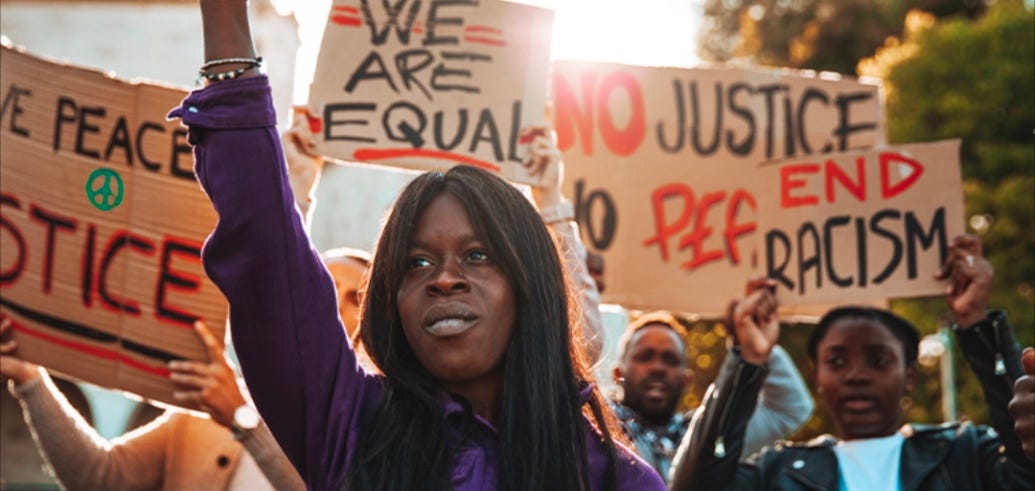
By Barry O’Connell
In Baltimore County, a qualified Black woman stands nominated to serve as Inspector General. Her name is Khadija Walker. She brings over two decades of federal oversight experience, including work on the Flint and Jackson water crises. And yet, her nomination has been met not with celebration, but with a chorus of resistance—some veiled, some overt, and some disturbingly familiar.
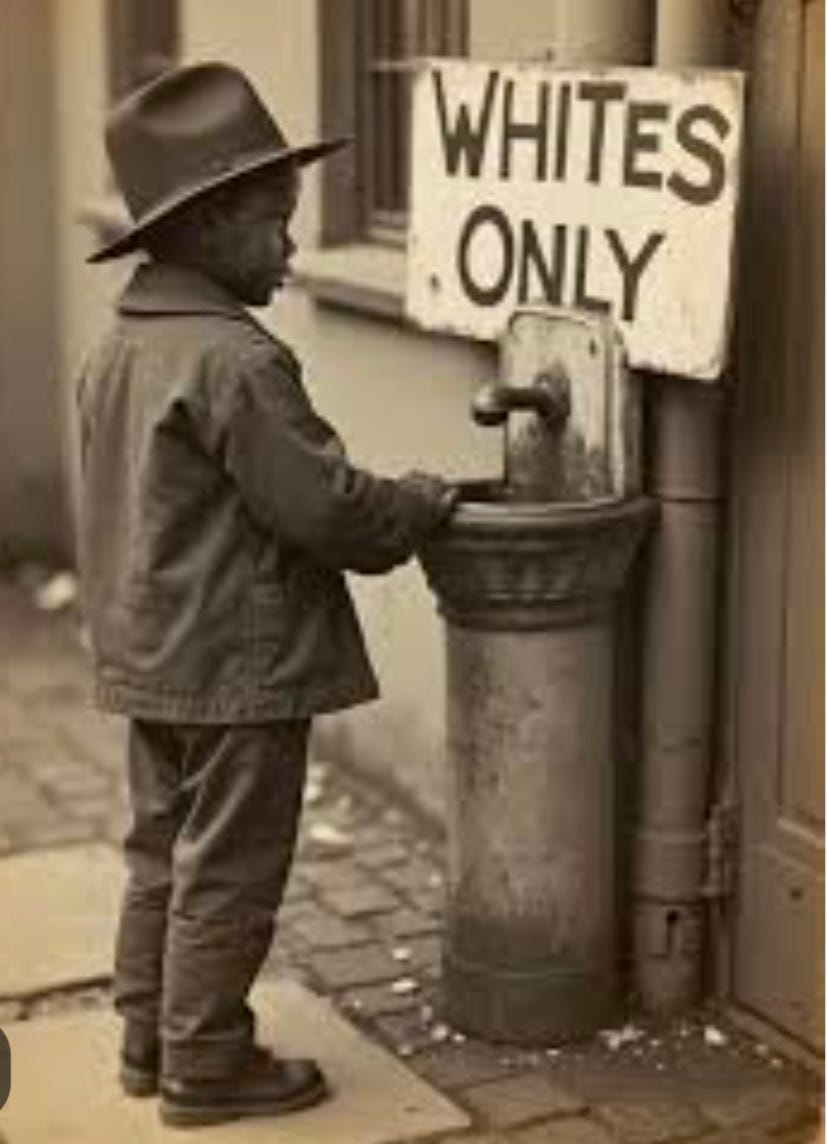
We’ve seen this before.
We saw it in Jerusalem, when a crowd screamed “Crucify him!” at the question of whether to spare a man who challenged the status quo. We saw it during Reconstruction, when mobs gathered to cheer the lynching of Black men across Maryland. We saw it in the 1930s, 40s, 50s, and yes, into the 70s, when silence and complicity allowed racial terror to persist in our neighborhoods.
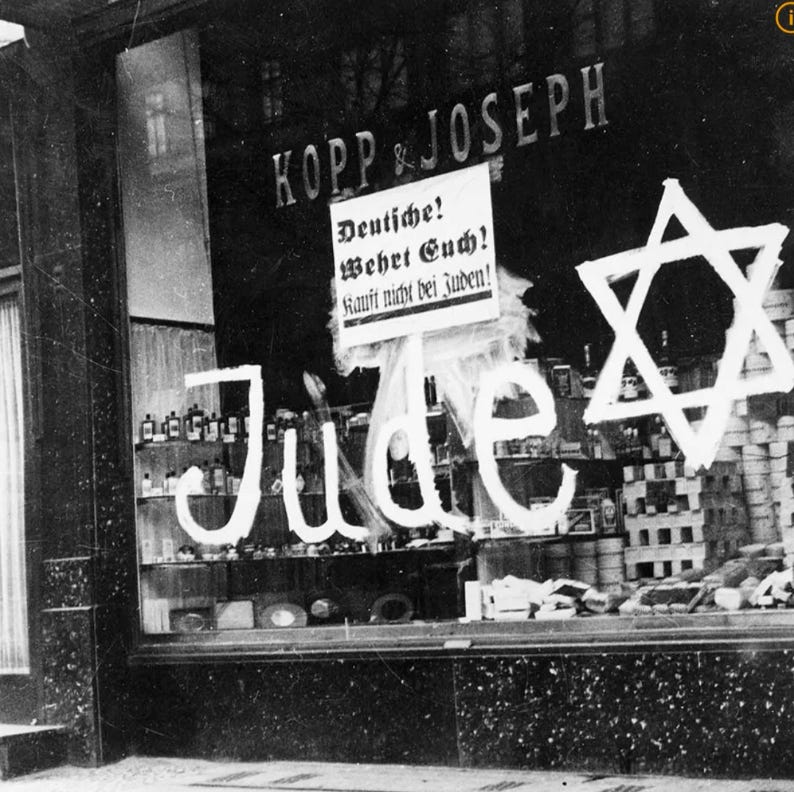
And we saw it in Nazi Germany, where obedience to authority became a moral escape hatch for ordinary people to commit extraordinary evil.
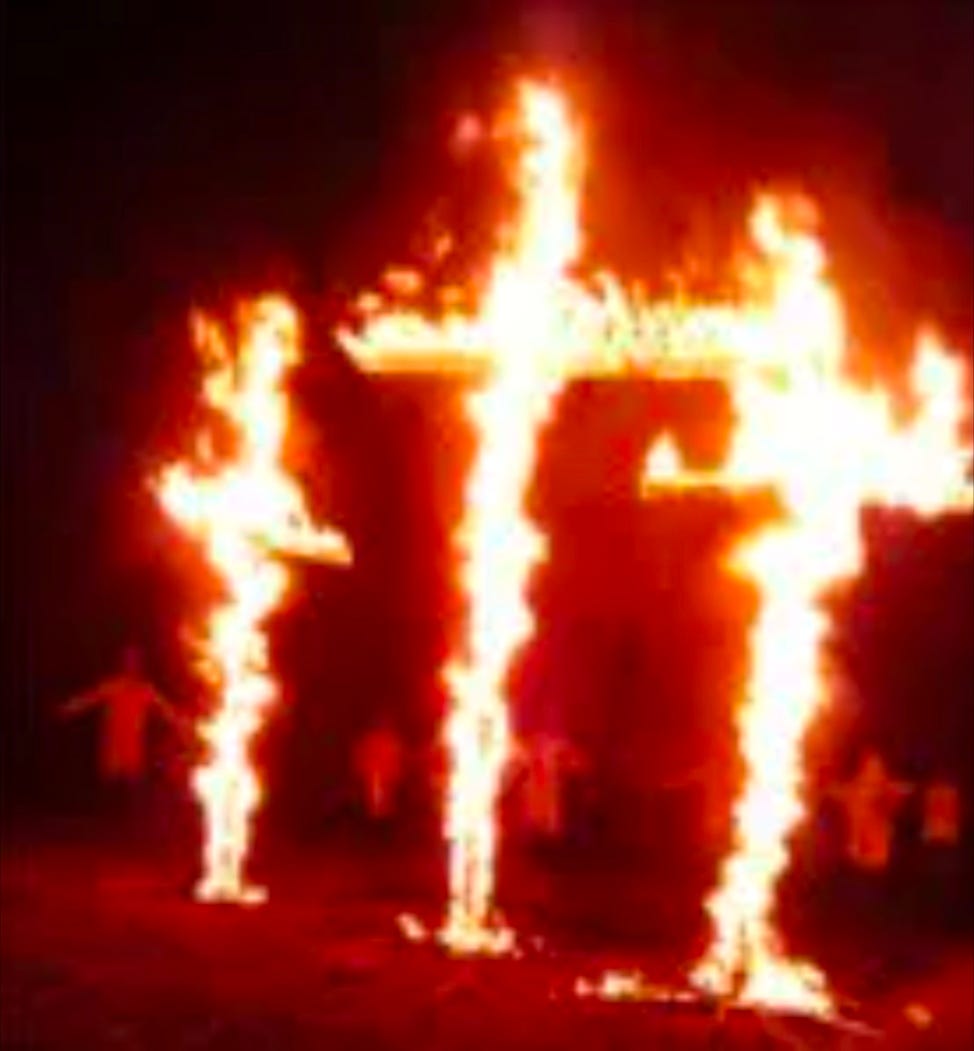
Today, in Baltimore County, we see echoes of that same crowd psychology. A woman with credentials, integrity, and a record of public service is being undermined, not for lack of merit, but because she threatens a power structure that has grown comfortable with its own reflection.
County Executive Kathy Klausmeier has defended Walker’s nomination, calling her “the most qualified candidate to further advance the office and continue to preserve integrity and transparency in Baltimore County.” Yet six of seven council members have followed the mob and signaled opposition, and some residents have taken to the streets. Not to support Walker, but to demand the reappointment of the current WHITE Inspector General, Kelly Madigan.
Delegate N. Scott Phillips, in a letter published in The Baltimore Banner, called the opposition “a disservice to the people of Baltimore County,” and urged the council to “rise above political gamesmanship and RACIAL BIAS.” He emphasized Walker’s federal experience and her commitment to transparency.
Senator Charles Sydnor, writing in The Baltimore Sun, echoed that sentiment, stating that “Walker’s nomination is not just a personnel decision—it’s a test of our county’s moral compass.” He warned that rejecting her would “send a chilling message to every qualified Black professional who dares to serve in public office”.
Let’s be clear: this is not just about process. It’s about power. IIT’S ABOUT RACE. It’s about the moral cowardice of those who would rather preserve their comfort than confront their complicity.
Walker’s credentials are not in question. What’s in question is Baltimore County’s willingness to honor its own stated values of equity, transparency, and justice.
If this council rejects Walker, it will not be a procedural decision. It will be a moral failure, a blot on the sacred honor of Baltimore County.
And history will remember who stood silent.
Footnotes
1. Senator Charles Sydnor’s commentary in The Baltimore Sun supporting Walker’s nomination. Baltimore Sun author page
2. Delegate N. Scott Phillips’ letter in The Baltimore Banner urging council support for Walker. Letters to the editor – The Baltimore Banner
3. County Executive Kathy Klausmeier’s defense of Walker’s qualifications and experience. CBS Baltimore coverage
4. Open letter from Klausmeier stating political motivations behind attacks on Walker’s credentials. WMAR2 News
Unfortunately I'm unsubscribing. This article is untrue and misleading. I testified as a former employer and this is not the reason we don't support a new nomination