

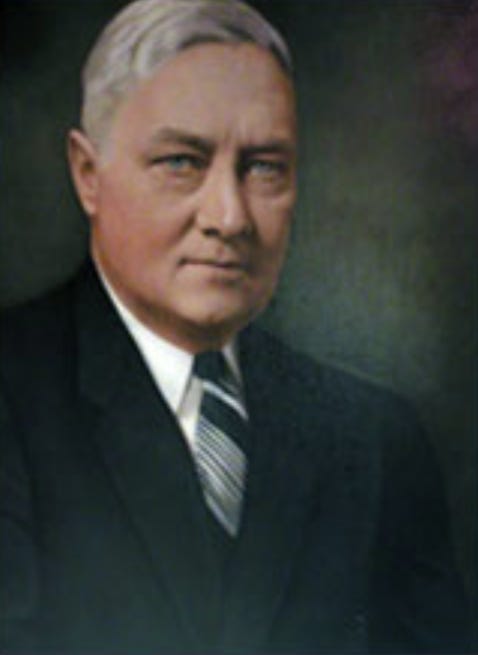
The Sasscer family was one of the most influential political dynasties in Prince George’s County from the early 20th century through the 1970s, with Lansdale Ghiselin Sasscer Sr. and Jr. at the center of what was often described as the “Sasscer machine.” Their reach extended across law, journalism, education, and elected office, shaping county politics for multiple generations.
🏛 The Sasscer Political Machine
- Dominance in Prince George’s County: From the 1950s through the 1970s, the Sasscer family represented the old guard of Upper Marlboro politics. Their influence was rooted in long-standing ties to the county seat, control of local institutions, and a network of patronage.
- Two Generations of Leadership:
- Lansdale Ghiselin Sasscer Sr. (1893–1964)
- Served as U.S. Congressman for Maryland’s 5th District (1939–1953).
- Previously President of the Maryland Senate.
- A staunch Democrat, he was part of the county’s conservative establishment, representing rural interests before suburbanization transformed Prince George’s.
- Lansdale Ghiselin Sasscer Jr. (1926–2020)
- Served in the Maryland House of Delegates (1955–1963).
- Ran unsuccessfully for the Maryland Senate in 1962.
- Later became a director of the Bank of Brandywine, maintaining ties to local business and politics.
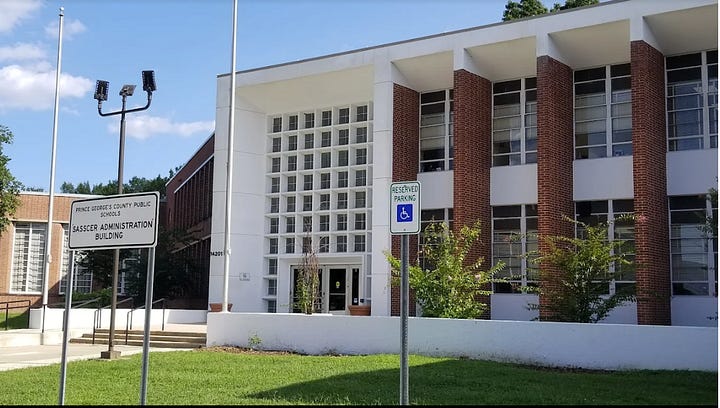
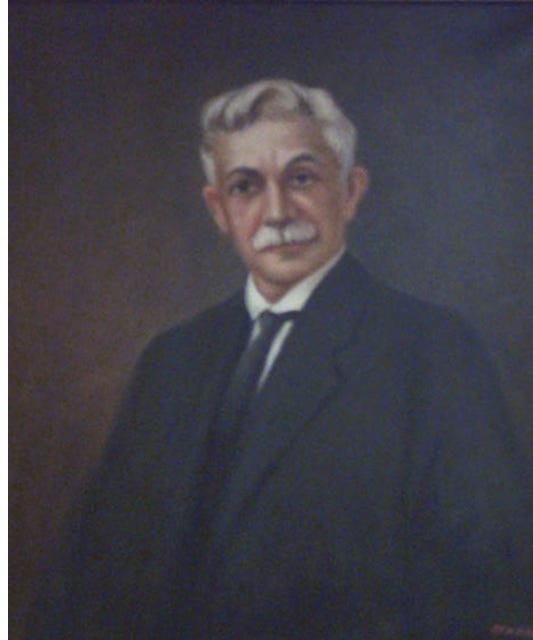
Sasscer Administration Building – PGCPS is named after Frederick Sasscer - Frederick Sasscer Jr. (1856–1929)
- Earlier generation, an attorney, journalist, and educator.
- Edited and owned the Prince George’s Enquirer and Southern Maryland Advertiser, giving the family media influence.
- Served as superintendent of Prince George’s County Public Schools (1902–1914).
- His legacy lives on in the Sasscer Administration Building, headquarters of Prince George’s County Public Schools.


Lansdale Ghiselin Sasscer Jr still lives in the Digges Sasscer House in Upper Marlboro. They have it by inheritance through marriage, The Diggges family received Fort Washington as a land grant in the 1600s. Fort Washington was formerly Warburton Manor.
⚖️ How the Machine Worked
- Control of Institutions: The Sasscers leveraged positions in education, journalism, and banking to reinforce political power.
- Patronage & Networks: Like other county machines, they built loyalty through jobs, favors, and influence in local government.
- Upper Marlboro Base: Their dominance reflected the county’s old rural elite before suburban growth shifted power toward Bowie, Greenbelt, and later the more diverse communities closer to Washington, D.C.
- Decline: By the 1970s, suburbanization, demographic change, and reform movements weakened the Sasscer machine. New political figures and coalitions emerged, reshaping Prince George’s into one of the most reliably Democratic and majority-Black counties in the U.S.
📌 Why This Matters for Understanding PG Politics
- The Sasscer machine illustrates the transition from rural courthouse politics to suburban, metropolitan politics.
- It shows how family dynasties and local institutions once dominated, before broader demographic and cultural shifts redistributed power.
- Studying the Sasscers helps explain the continuity of Democratic dominance in the county, but also the eventual rise of new coalitions that displaced old elites.
In short: the Sasscer family embodied the old Prince George’s County establishment—lawyers, educators, journalists, and politicians who built a machine around Upper Marlboro. Their decline in the 1970s marked the end of courthouse-centered politics and the beginning of the suburban, diverse, and reform-driven era that defines the county today.
Sources:
- Lansdale Ghiselin Sasscer Sr. SBCLawyers.com
- Lansdale Ghiselin Sasscer Jr. – Wikipedia
- Frederick Sasscer Jr. – Wikipedia
- Sasscer Administration Building – PGCPS