

THE COLLISION COUNTY
How Harford Became the Fault Line of Maryland Republicanism
(An Atlantic‑meets‑Politico long‑form analysis)
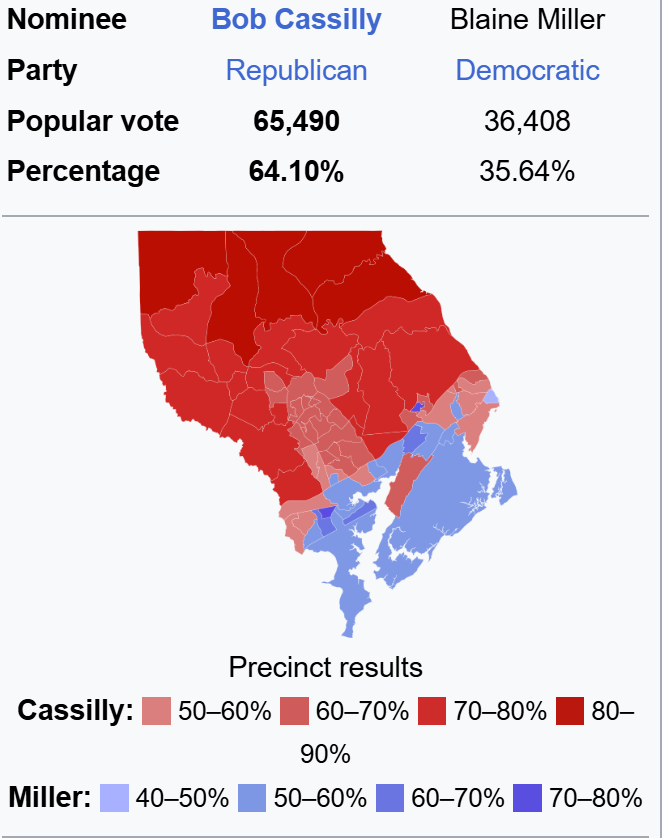
Harford County is not the most conservative county in Maryland. It’s not the most MAGA, not the most suburban, not the most rural, and not the most military. What it is — uniquely, almost freakishly — is the only county where every Republican tribe in Maryland collides in one place.
It is the GOP’s collision county, a political tectonic plate boundary where three distinct Republican cultures grind against each other, producing the constant tremors that now define Harford’s politics: the county executive at war with the council, the sheriff at war with the executive, the state’s attorney at war with both, and all of them at war with each other.
To understand Harford, you have to understand the tribes.
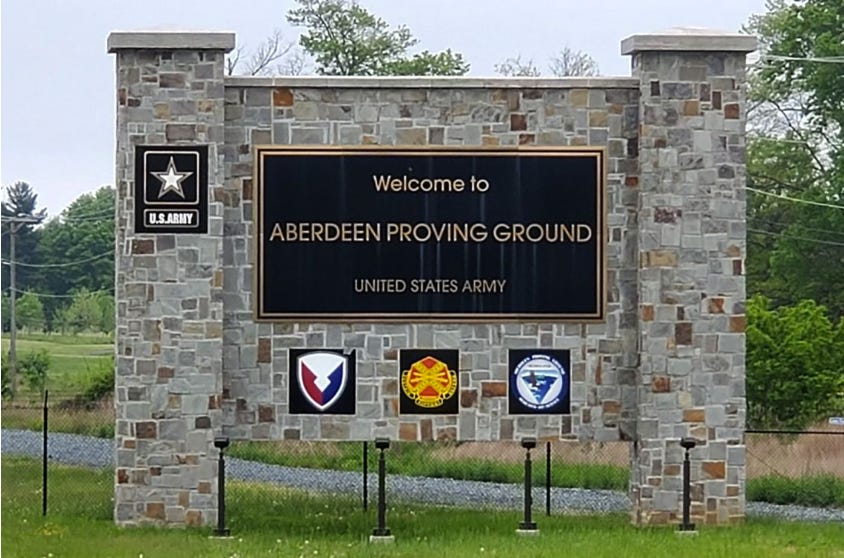
I. The Defense Conservatives of Aberdeen Proving Ground
Harford’s southeastern quadrant is shaped by the gravitational pull of Aberdeen Proving Ground — a federal installation that has, for a century, drawn in:
- career military
- defense civilians
- engineers
- analysts
- contractors
- federal technocrats
These are institutional conservatives. They believe in hierarchy, order, chain of command, and the idea that government — when competent — is a stabilizing force. They are not MAGA, but they are not moderates. They are the Southern Anne Arundel Republicans, but with uniforms instead of golf shirts.
They want stability. They want predictability. They want competence. They want the sheriff and the county executive to stop acting like rival warlords.
They are the county’s ballast — but not its majority.
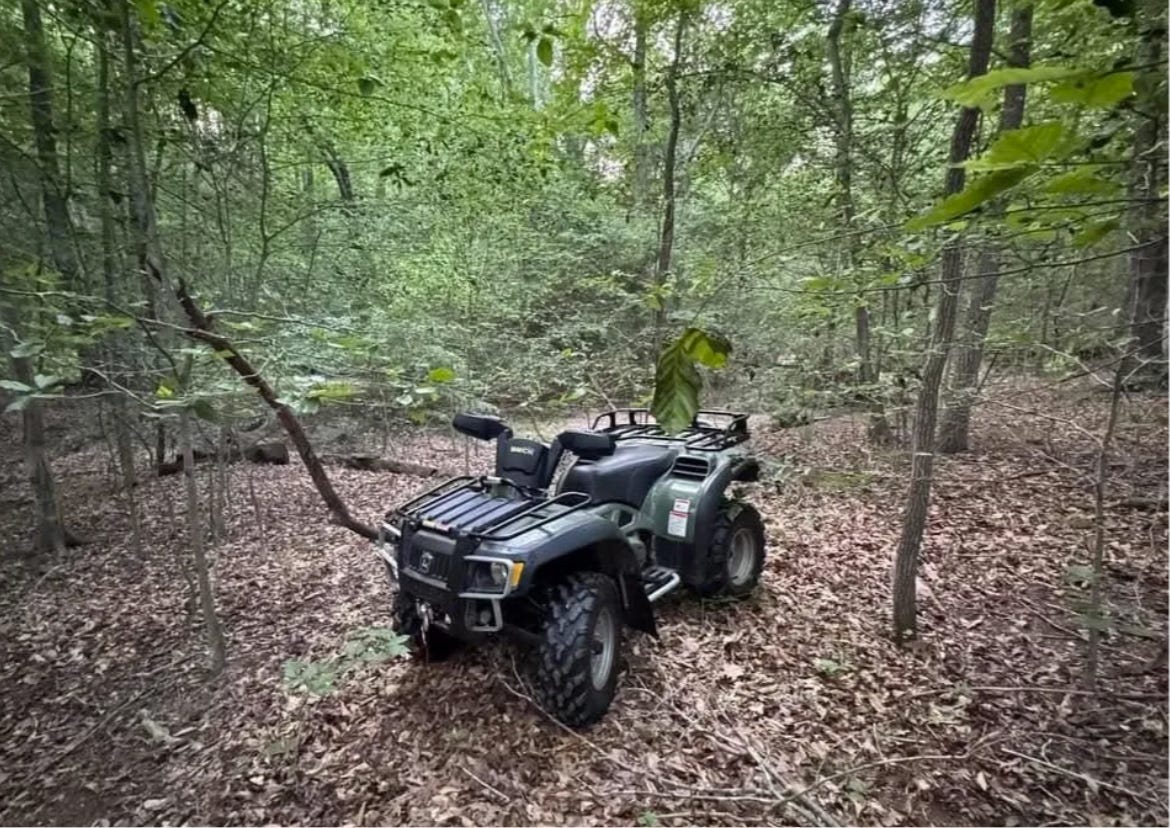
II. The Agricultural MAGA Belt
Drive north or west from Bel Air and the landscape changes. The subdivisions thin out. The farms spread. The Trump flags multiply. The politics harden.
This is Harford’s Western Maryland transplanted:
- property-rights conservatives
- gun culture
- anti-regulation
- anti-tax
- anti-institution
- anti-urban
- anti-compromise
This bloc is loud, organized, and dominant in Republican primaries. They see the APG conservatives as soft, the suburban professionals as weak, and the county executive — whoever he is — as either a hero or a traitor depending on the week.
They are the county’s accelerant.
III. The Suburban Professional Republicans
Bel Air, Fallston, Abingdon, Forest Hill — these are the neighborhoods that once defined the Maryland GOP’s respectable middle. These voters are:
- upper-middle-class
- college-educated
- churchgoing
- fiscally conservative
- socially moderate
- deeply suburban
They used to be the Chamber of Commerce Republicans. Now they are split:
- some drift toward Hogan-style institutionalism
- some drift toward MAGA populism
- some are exhausted and politically homeless
They are the county’s swing faction — the group that decides who wins, but never governs alone.
IV. The Forgotten Tribe: The Appalachian Migration Republicans
This group is almost never discussed in Maryland political analysis, yet they are absolutely real.
Between the 1910s and the 1950s, tens of thousands of Appalachian families — from West Virginia, western Pennsylvania, eastern Kentucky, and the mountains of Virginia — migrated to:
- Sparrows Point
- Dundalk
- Essex
- Middle River
- Joppatowne
- Edgewood
- Aberdeen
- and eventually into rural Harford
They came for steel, shipbuilding, canneries, and wartime manufacturing. They brought with them:
- evangelical Protestantism
- Scots-Irish cultural identity
- a deep suspicion of elites
- a strong sense of honor culture
- a populist streak
- a working-class conservatism that predates MAGA by 80 years
These families were the original white working class of the Baltimore region — long before the term became a political cliché.
So where do they fit today?
They are not a distinct political bloc anymore in the sense of voting as a unified tribe. But they are not dissolved either. Instead, they have diffused into all three

Thank you, Barry, for this gift. What an educational piece. I never put all this together. Anyone running for elected office, thinking of getting in the race, or just interested in Harford County, should read your article. It's really great! There are some forces, sub tribes, that have big financial impacts. It seems as though the democrats are increasing their presence in elected office and there are more candidates. Do you think that may bring the factionated together? Or, create baby factions?