

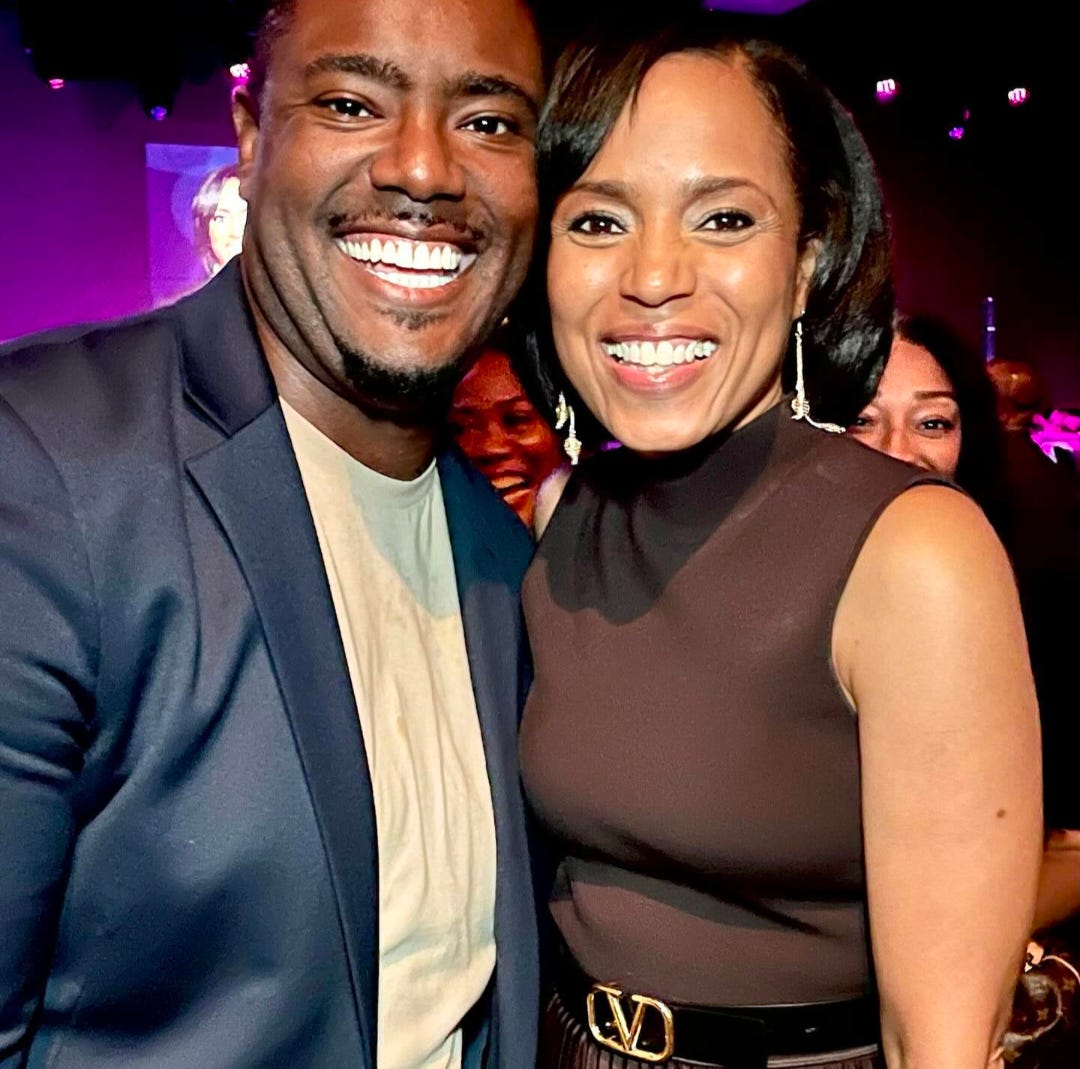
🟣 The Quiet Laborer: Jordan Hines and the Pivot from Prince George’s to the Hill
For a time, Jordan Hines was everywhere.
As Political Director for the Maryland Democratic Party, Hines was seen as a rising tactician—equal parts organizer and strategist, with a fluency in both grassroots mobilization and institutional choreography. He was from Delaware but he memorized the Prince George’s County playbook and the earned the admiration of players who mattered. He left the State Party when Ken Ulman took the chair.
After casting around he snagged a position when Angela Alsobrooks launched her bid for U.S. Senate. Hines made the leap, joining her campaign at a moment when expectations were high—but the terrain was treacherous.
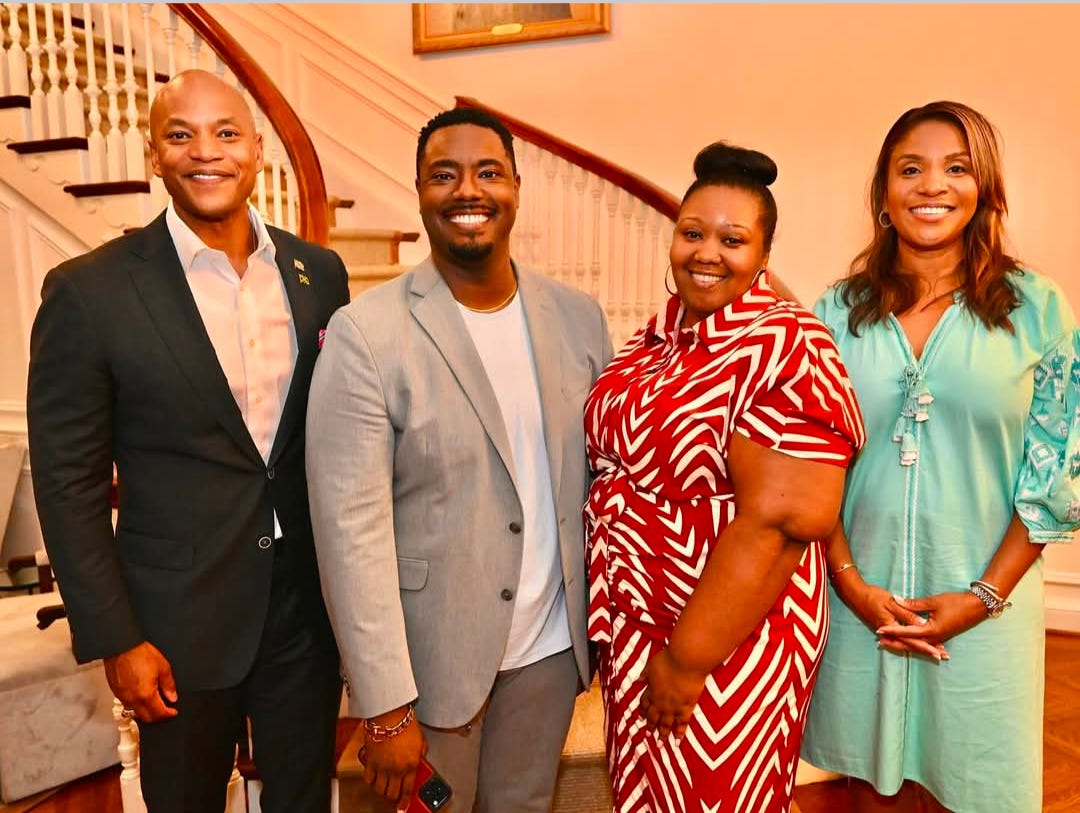
The campaign was struggling to gain traction statewide. Whispers circulated that Hines, while brilliant in PG, lacked the breadth and vision to scale Alsobrooks’ appeal across Maryland’s diverse political map. The ground game was uneven. The messaging felt local. And the stakes were enormous.
Then came Yvette Lewis.
Twice chair of the Maryland Democratic Party and widely regarded as one of the most powerful figures in the state’s political architecture, Lewis stepped in—not just to rescue the campaign, but to stabilize Hines himself. She restructured the operation, expanded its reach, and reasserted Alsobrooks’ viability. For Hines, it was a lifeline and a lesson: power isn’t just built on loyalty—it’s sustained by mentorship and recalibration.

The campaign rebounded. Alsobrooks won. And Hines, once the local wunderkind, quietly transitioned into a deputy political role within her Senate office. No longer shaping county council races or state party dynamics, he’s traded Capitol Heights for Capitol Hill. The question isn’t whether he’s still relevant—it’s where he’s building that relevance.
Some speculate he’s playing the long game: mastering federal rhythms, embedding himself in Senate machinery, and positioning as a behind-the-scenes architect of Alsobrooks’ national ascent. Others wonder if the move signals a retreat from the messy, kinetic world of Maryland politics—a world where visibility and proximity often matter more than quiet competence.
But if history is any guide, Hines doesn’t stay quiet for long. His career has been marked by strategic pivots, not disappearances. And while Maryland may not feel his presence Jordan Hines may no longer be the most visible operative in Maryland. But he might just be the most underestimated—quietly building a new kind of relevance where federal power doesn’t require local memory, and where the next chapter of influence is written not in Maryland, but in new horizons.