

THE QUIET DEAL IN LUSBY
When Public Officials Sign NDAs, Who Are They Really Protecting?
Maryland Wire Magazine Edition
There’s a particular kind of silence that settles over a county government when something big is happening behind closed doors. It’s not the silence of nothing going on — it’s the silence of something going on that no one is supposed to talk about yet.
Calvert County has now entered that silence.
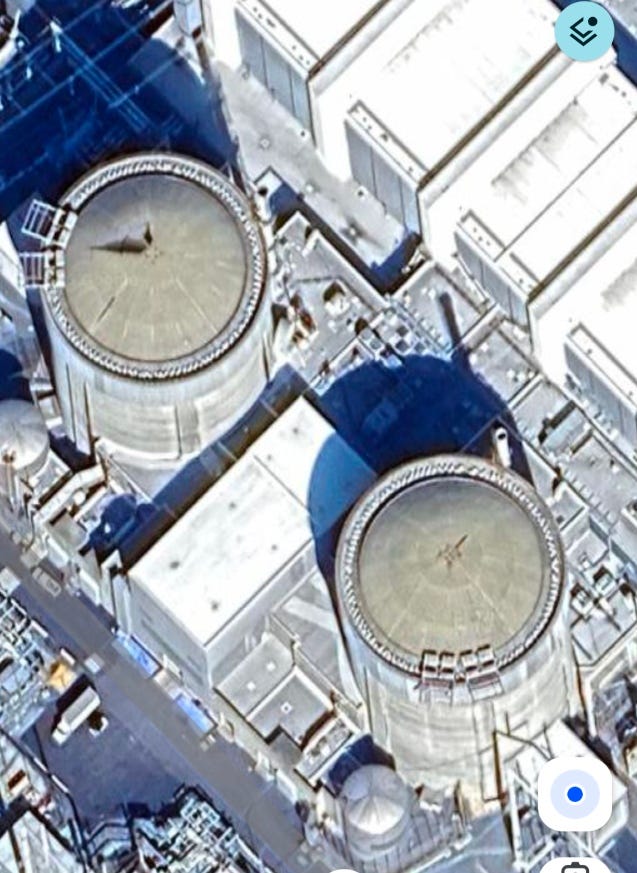
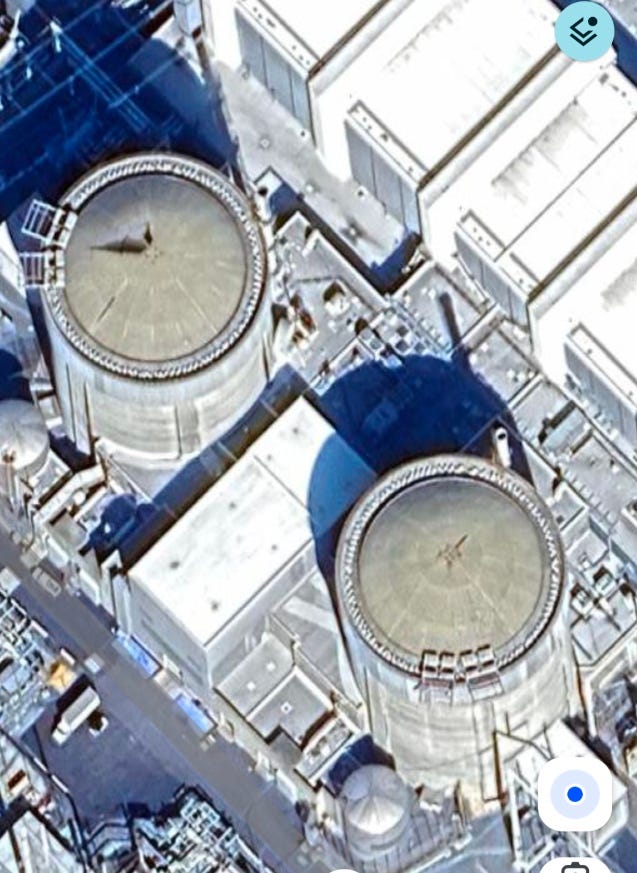
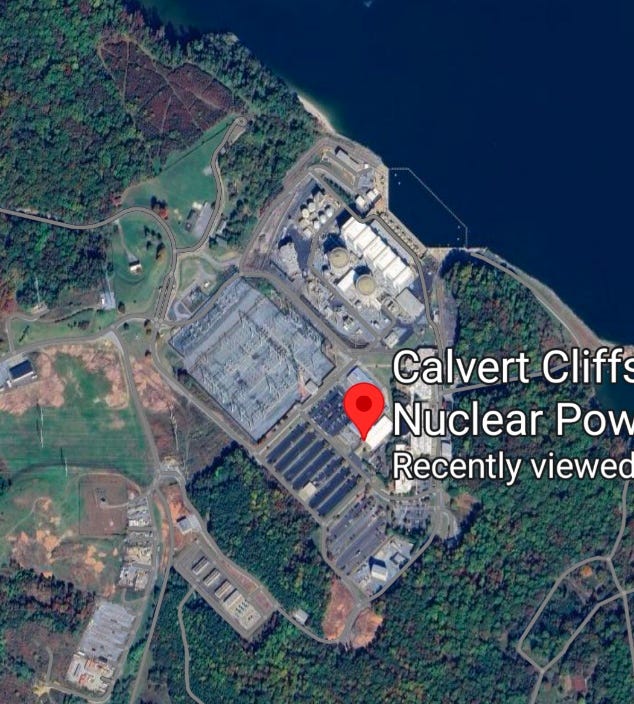
County officials have confirmed the existence of a binding nondisclosure agreement tied to a potential data‑center project in southern Lusby — a project that, by geography alone, would sit in the shadow of one of the most sensitive pieces of infrastructure in the state: the Calvert Cliffs nuclear power plant.
And that raises a question Marylanders rarely get to ask out loud:
What does it mean when public officials sign a private NDA?
THE NDA THAT ISN’T SUPPOSED TO MEAN ANYTHING — BUT DOES
County leaders insist the NDA is routine. They say it’s early‑stage. They say it’s not even with a data‑center company. They say nothing is on county land. They say there’s nothing to see.
But NDAs are not neutral documents.
They are promises of silence — and when public officials sign them, they are not promising silence to protect trade secrets. They are promising silence on behalf of the public, without the public’s consent.
That’s the ethical tension at the heart of this story.
In the private sector, NDAs are normal.
In government, NDAs are extraordinary.
Because government secrecy is never just secrecy.
It is a choice to keep taxpayers out of the room

WHAT EXACTLY ARE WE NOT SUPPOSED TO KNOW?
That’s the question that keeps surfacing.
If this is simply a routine inquiry from a consultant, why the NDA?
If this is simply exploratory, why remove a slide referencing a data‑center PILOT from a public presentation?
If nothing is happening, why bind elected officials to silence?
The public is left with the only question that matters:
What is so sensitive that the voters can’t be trusted to hear it?
There are several possibilities — none of them scandalous on their own, all of them legitimate to ask:
1. Is the project tied to the Calvert Cliffs nuclear plant?
Co‑location is a known trend in the energy sector.
It’s efficient. It’s profitable.
It also raises questions about grid load, cybersecurity, and emergency planning.
2. Is the NDA with a third‑party negotiator?
Consultants, law firms, site‑selectors, and energy‑sector intermediaries often act as the public face of private deals.
That structure can obscure who is actually at the table.
3. Is the county preparing tax incentives?
A PILOT agreement doesn’t appear in a slide deck by accident.
It appears because someone, somewhere, is discussing numbers.
None of these questions accuse anyone of wrongdoing.
But they all point to the same core issue:
The NDA prevents the public from knowing what the public is being asked to accept.
THE ETHICS OF GOVERNMENT SECRECY
Maryland law does not forbid NDAs.
But Maryland ethics — the unwritten expectations of transparency, accountability, and public trust — demand a higher standard.
When a county executive or senior official signs an NDA, they are making a choice:
- Not to inform the public
- Not to brief the community
- Not to disclose early‑stage negotiations
- Not to explain what is being considered near critical infrastructure
That is not a business decision.
That is a governance decision.
And governance decisions deserve scrutiny.
THE QUESTIONS CALVERT COUNTY NOW OWES ITS RESIDENTS
No accusations.
No conclusions.
Just the questions any reasonable taxpayer would ask:
- Why was an NDA necessary?
- Who is the NDA with?
- What information is being withheld?
- What public impacts are being discussed behind closed doors?
- What is the timeline for disclosure?
- What safeguards exist to prevent NDAs from becoming tools of secrecy rather than tools of negotiation?
These are not hostile questions.
They are democratic questions.
And they deserve answers.
THE STORY MOVING FORWARD
Calvert County may ultimately announce a project that is beneficial, innovative, and economically sound.
It may be a data center.
It may be something else entirely.
It may never materialize at all.
But the NDA is real.
The silence is real.
And the public deserves to understand why.
Because in a democracy, secrecy is not a default setting.
It is an exception — and exceptions must be justified.
This is not a scandal.
But it is uncomfortable information about an uncomfortable situation, and that alone makes it newsworthy.
What happened to Moore’s platform on transparency?
We have a Commerce Department tourism office that has usurped the functions of the Maryland Tourism Develooment Board which is in breach of statute since 2021 and making decisions on spending public funds, behind closed doors and in a black box.
And the Commerce Department attorney response to PIAs is shoot the messenger legal strategy. While refusing to produce documents.
The law seems optional in Maryland when private actors are feeding from the public dollar trough.