

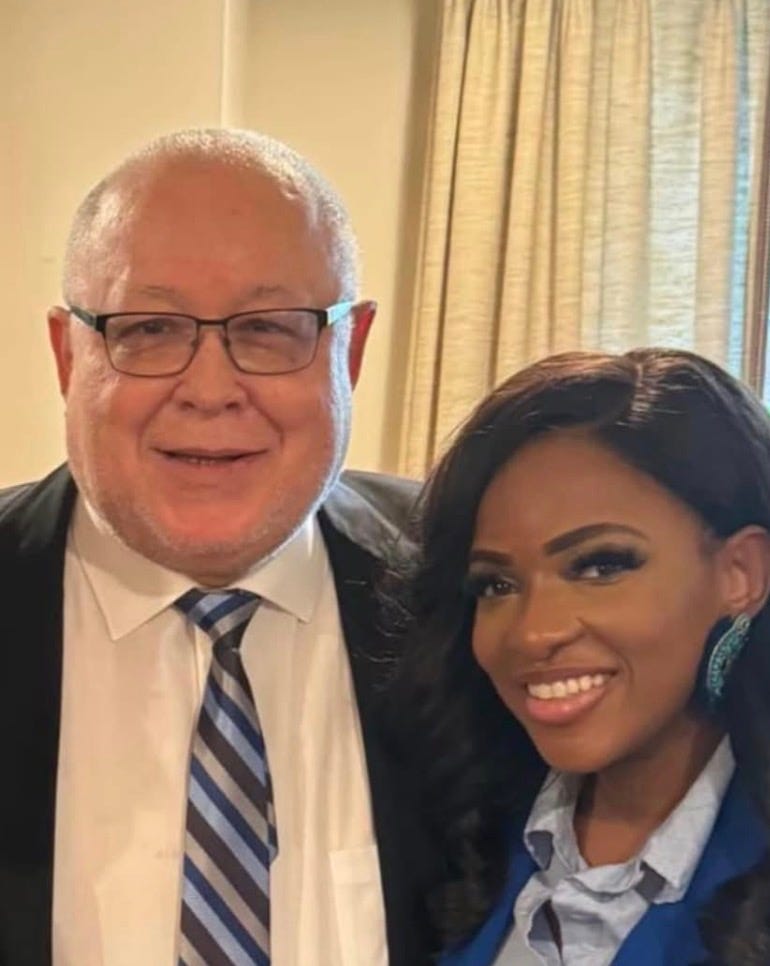
THE QUIET ARCHITECT:
Ron Lester’s Unassuming Mastery From Upper Marlboro to the National Stage
On a quiet street in Upper Marlboro—far from the klieg lights, the cable‑news chatter, and the consultant class that never met a microphone it didn’t love—lives one of the most respected pollsters in American politics. You wouldn’t know it from his manner. Ron Lester doesn’t strut, doesn’t preen, doesn’t sell himself as a kingmaker or a queenmaker. He doesn’t have to. His work speaks louder than any consultant’s swagger ever could.
For more than three decades, Lester has been the man campaigns call when the stakes are high and the electorate is complex. He built his reputation the hard way: by listening, by measuring, by understanding communities that national firms often flatten into stereotypes. And he did it as a Black man succeeding in a field that has historically been overwhelmingly white, overwhelmingly coastal, and overwhelmingly dismissive of the voters he understands best.
Yet if you met him at a Prince George’s County coffee shop, you’d never guess the scale of his influence. He’s modest to a fault—one of those rare political professionals who would rather talk about the data than about himself.

A Black Pollster in a White Industry
Polling is not a diverse profession. The upper tiers—those who advise governors, mayors, and members of Congress—are even less so. Lester broke into that world not by force of personality but by force of competence. He became the person who could decode the political behavior of Black voters with precision, nuance, and respect.
That expertise didn’t just earn him clients. It earned him trust.
Campaigns that needed to understand Black turnout, Black persuasion, or Black political identity turned to him because he didn’t treat those voters as an afterthought. He treated them as the center of the story.
The Jasmine Crockett Breakthrough
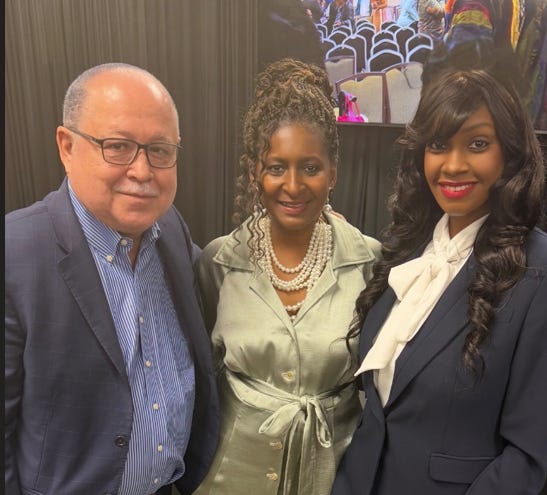
If you want to understand Lester’s impact, look at Jasmine Crockett, the Dallas attorney who rose from activist‑lawyer to one of the most recognizable young members of Congress.
Her 2022 race was crowded, competitive, and watched closely by national observers. What she needed wasn’t noise—it was clarity. Lester’s research helped her campaign understand where her strengths lay, which messages resonated, and how to navigate a district with overlapping generational, racial, and ideological layers.
Crockett won decisively. And people inside the campaign will tell you: the numbers were right. The strategy was right. The read of the electorate was right. That’s the Lester signature.
A Long Line of Victories
Crockett wasn’t the first. She wasn’t the last.
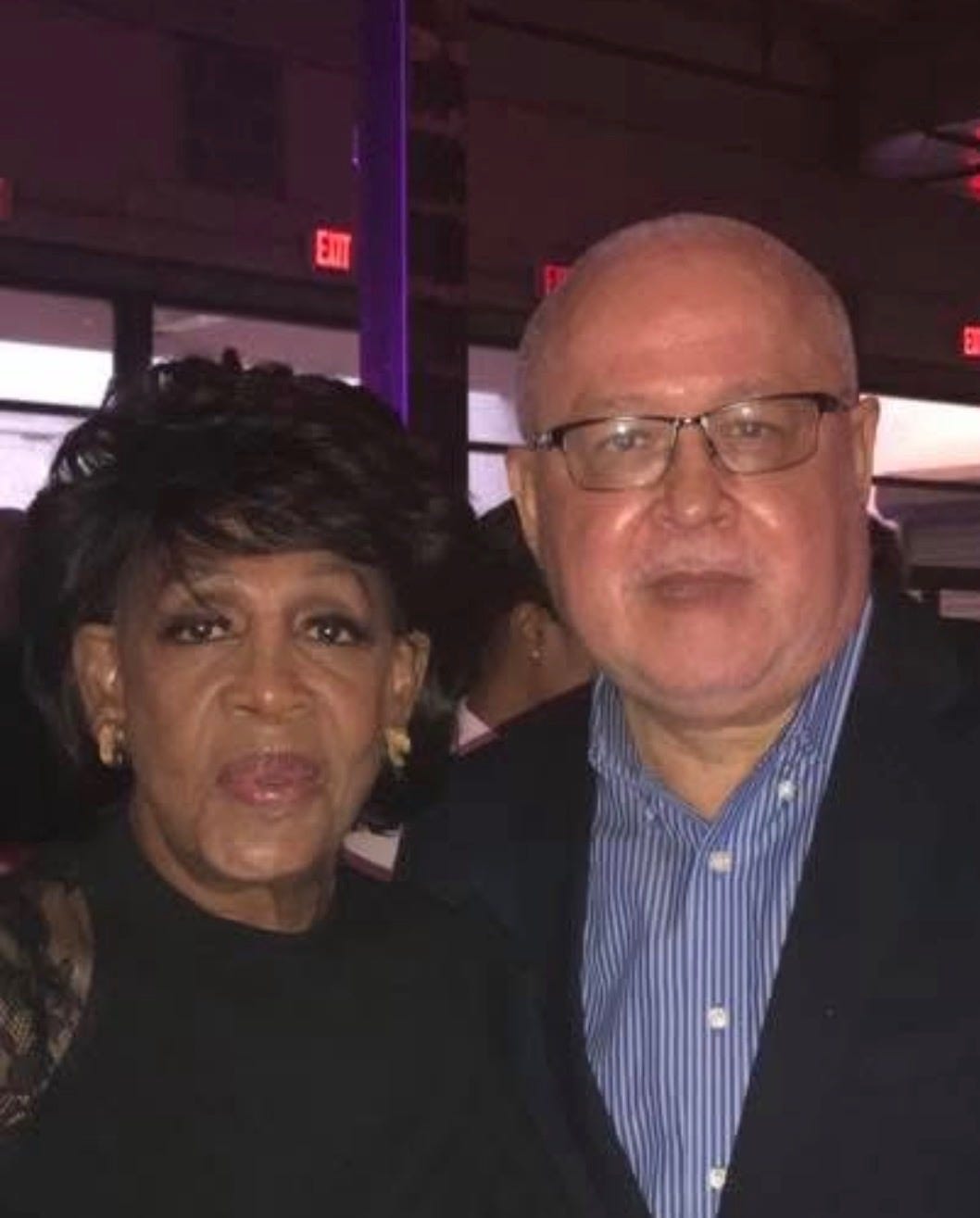
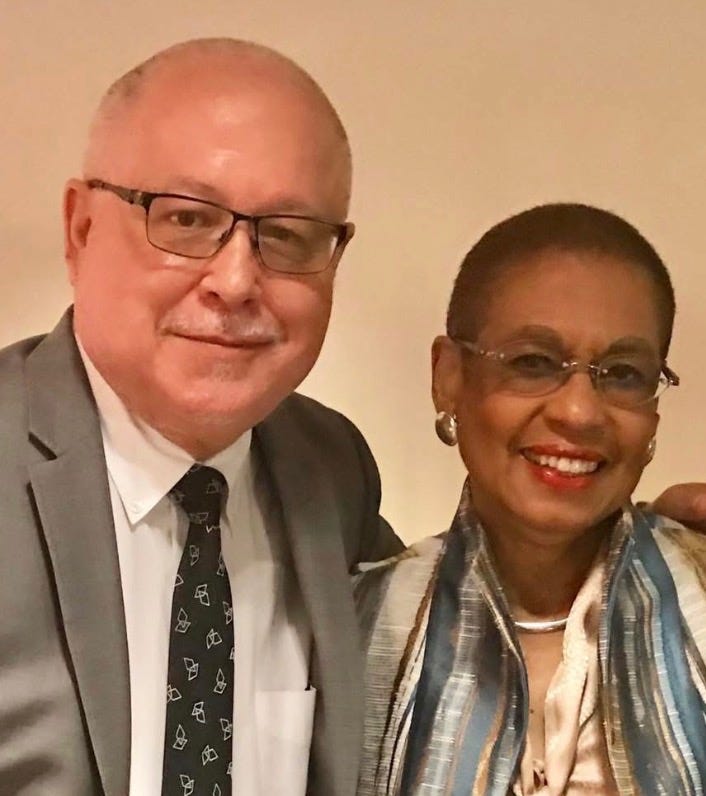
Lester’s fingerprints appear on winning campaigns across the country—races where Black candidates broke through, where new coalitions formed, where the old assumptions didn’t hold. He has advised members of Congress, mayors of major cities, and statewide leaders who needed a pollster who could see the electorate as it actually is, not as consultants imagine it to be.
And through it all, he stayed rooted in Prince George’s County, the beating heart of Black political power in Maryland. He could have moved to Washington or New York. He didn’t. He stayed home.
The Man Behind the Numbers
People who know him describe him the same way:
- Humble.
- Soft‑spoken.
- Serious about the work, not the spotlight.
- A listener first, a strategist second.
He doesn’t brag about his victories. He doesn’t inflate his role. He doesn’t cultivate the mystique that so many consultants chase. Instead, he treats polling as a craft—one that requires discipline, curiosity, and respect for the people whose opinions he measures.
In an industry full of egos, he is the rare figure who leads with modesty.
A National Reputation, A Local Address
What makes Lester so compelling to Maryland readers is the contrast:
a national figure who still lives like a local.
Upper Marlboro isn’t just his home—it’s his grounding. It’s the place where he raised his family, built his business, and stayed connected to the communities he studies. In a county that has produced some of the most influential Black political leaders in America, Lester stands out not for his volume but for his consistency.
He is the quiet architect behind victories that reshaped representation.
He is the Black pollster who succeeded in a white world without ever changing who he was.
He is the man whose work has influenced Congress, city halls, and statehouses—yet who remains, at heart, a Prince George’s County professional who simply does the job well.
And in a political era defined by noise, that kind of quiet excellence is worth celebrating.