

THE PRICE OF THE GOOD LIFE: How Tariffs Are Quietly Reshaping Maryland’s Household Budget
Maryland Wire Magazine Feature
By Barry O’Connell
Marylanders didn’t need an economist to tell them something felt different this holiday season. You could see it in the aisles at Walmart, feel it in the checkout line at Target, and hear it in the quiet calculations families made while deciding whether this was the year to replace the TV, upgrade the fridge, or finally buy that new laptop for school.
The numbers now confirm what shoppers sensed: tariffs are pushing everyday prices upward, and Maryland — with its unique geography, income spread, and regional economic divides — is feeling the squeeze in uneven ways.
A New Kind of Price Pressure
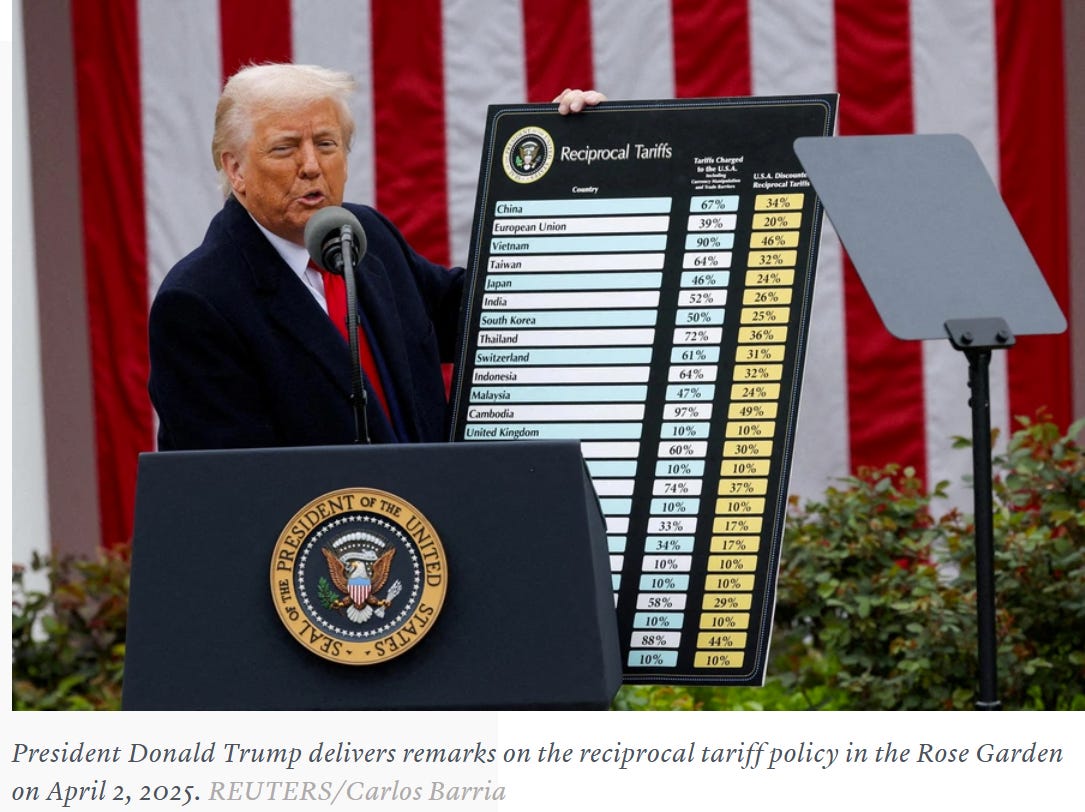
When President Trump announced sweeping new tariffs in 2025 — a baseline 10% tax on all imports, with higher rates on dozens of countries — Maryland lawmakers warned that this would land like a “national sales tax” on middle‑class families. Economists echoed the concern, predicting that businesses would pass the higher import costs directly to consumers.
They were right.
A Yale Budget Lab analysis found that households with lower disposable incomes would take the biggest hit, losing up to 4% of their disposable income under the full tariff schedule. And while Maryland’s median income is high, that number hides the deep regional disparities that define the state.
---
What’s Actually More Expensive Now?
The tariff impact isn’t abstract. It shows up in the exact items Marylanders buy most often:
Electronics & TVs
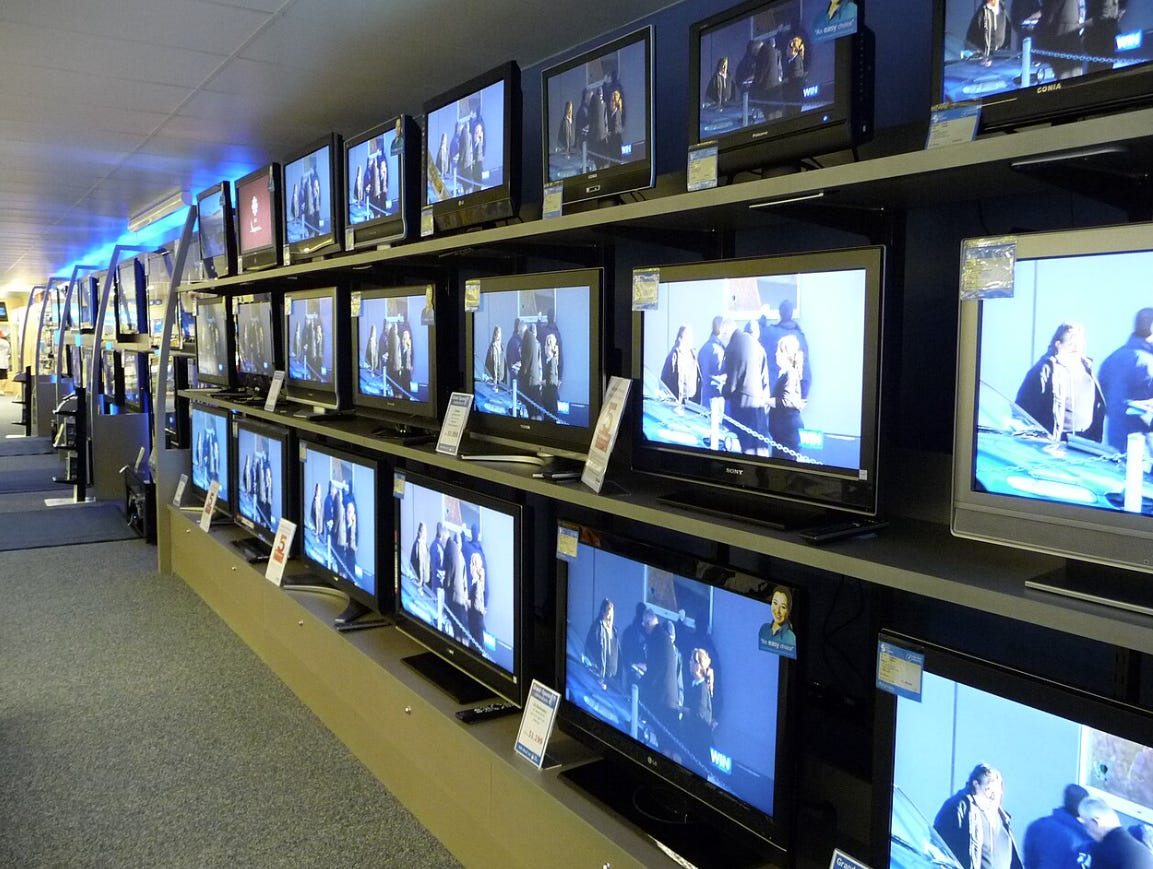
TV manufacturers and electronics brands have already begun raising prices as tariffs increase the cost of imported components. Analysts expect TV shipments to drop because consumers are pulling back — a direct response to higher sticker prices.
Appliances
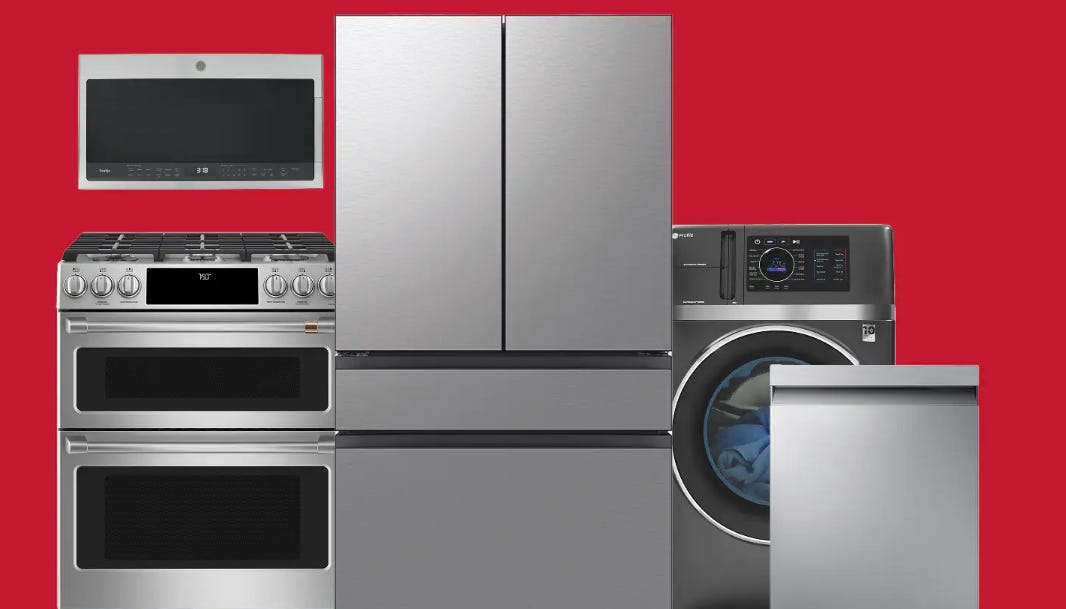
Whirlpool announced layoffs tied to tariff‑driven cost pressures. When manufacturers cut production or face higher input costs, retail prices follow.
General Merchandise (Walmart, Target, department stores)
Economists warn that Marylanders should expect to pay more for food, clothing, and energy under the new tariff regime. These are the exact categories that dominate big‑box shopping carts.
Food
Food inflation has cooled nationally, but tariffs are creating new uncertainty. Consumers expect prices to rise again, and that expectation alone is changing buying behavior.
Energy
Tariffs on imported energy inputs ripple into utility bills and transportation costs — two categories where Marylanders already pay more than the national average.
Why Maryland Feels This Differently Than Other States
Maryland’s economy is a patchwork of high‑growth corridors and slow‑growth rural regions. Tariffs hit these regions differently because the ability to absorb higher prices depends on income, job stability, and economic momentum.
The I‑95 Corridor: Absorbing the Shock
From Montgomery County to Baltimore to Harford, the I‑95 spine is powered by:
- Federal contracting
- Defense and cybersecurity
- Biotech
- Healthcare
- Port‑driven logistics
These sectors continue to grow, and wages — while not keeping pace with everything — are rising faster than in rural counties. Families here can absorb a $40 increase on a TV or a 2% bump in grocery costs without changing their lifestyle.
Western Maryland & the Eastern Shore: Feeling Every Dollar
In contrast, the regions outside the metro core face:
- Slower job growth
- Lower median wages
- Higher transportation costs
- Fewer employers competing for labor
- More fragile household budgets
When tariffs raise the price of food, clothing, or energy, families in these regions don’t shift spending — they cut spending.
A Yale analysis warns that lower‑income households lose the largest share of disposable income under the tariff schedule. That describes large portions of Allegany, Garrett, Somerset, Dorchester, and Wicomico counties.
In these communities, a tariff isn’t a policy debate. It’s a monthly budget problem.
The Port of Baltimore Factor
Maryland’s economy is unusually exposed to global trade. Nearly one‑quarter of imports through the Port of Baltimore come from Mexico, Canada, and China — all targets of tariff escalation.
When tariffs hit those imports:
- Retail prices rise
- Port‑dependent jobs face uncertainty
- Downstream manufacturers (like packaging, canning, and food processing) see higher input costs
This is why Maryland lawmakers warned that tariffs would “boost prices and hurt the economy”.
The Maryland Reality: Tariffs Are Now a Cost‑of‑Living Issue
The political debate around tariffs often focuses on manufacturing jobs, trade deficits, or national strategy. But for Marylanders, the impact is far more personal:
- The TV you bought this Christmas cost more than last year.
- The appliances you’re putting off replacing cost more than they should.
- Your Walmart and Target baskets are slightly more expensive.
- Your energy costs are rising at the margins.
- Your disposable income buys less than it did a year ago.
And the burden isn’t shared equally.
The I‑95 corridor is absorbing the shock.
Western Maryland and the Eastern Shore are absorbing the pain.
The Bottom Line
Tariffs were sold as a way to strengthen American manufacturing. But in Maryland — a state that imports more than it produces in tariff‑protected sectors — the effect is showing up in the shopping cart, not the factory floor.
For families living the good life in Maryland, the question isn’t ideological. It’s practical:
How much more will everyday life cost next year?
And for many Marylanders outside the metro core, the answer is already clear:
More than they can comfortably afford.
Maryland is sitting on an invisible economy in every county. It’s called agritourism. And it’s not a pumpkin patch in western Maryland. The concentration and participation in farm experiences occurs in the DC adjacent counties.
The visitor economy is held hostage by an 18-year old statute - TPA2018, which will be challenged for the first time in nearly two decades when Annapolis gavels in this session. Its replacement will unlock promotion and investment for 18 rural designated counties.
I went to a gourmet grocery store in my neighborhood a few months ago. Their prices are way out of line, but the food is delicious. The owner’s brother-in-law was talking to me and a local politician that I had met there for breakfast. He said he was going to keep on raising the prices and blaming it on tariffs even though he knew tariffs had nothing to do with it. He let us know that he “hates that guy” and maybe his high prices would make people hate him even more. Needless to say, I miss it there.