


🚨 THE POTOMAC IS POISONOUS — AND THE DANGER IS ABOUT TO SPIKE
Warm water + raw sewage = a bacterial bloom zone. Treat the river as poisonous.
THE SETUP: A RIVER LOADED WITH PATHOGENS
- The Potomac is carrying hundreds of millions of gallons of raw human sewage from the Interceptor collapse.
- University of Maryland testing found E. coli levels 10,000× above federal safety limits at the spill site, and still 2,500× above limits a week later.
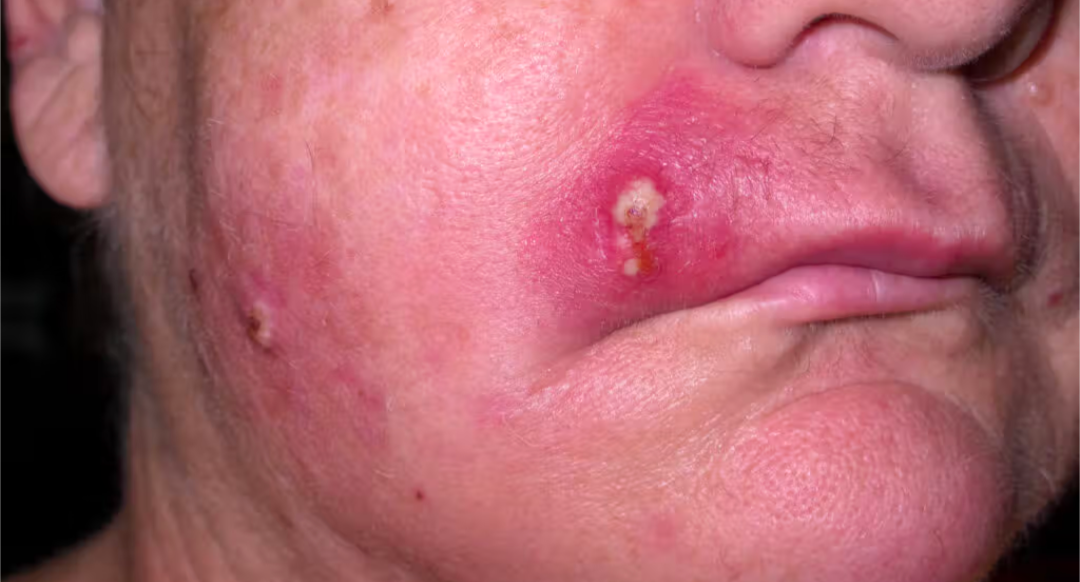
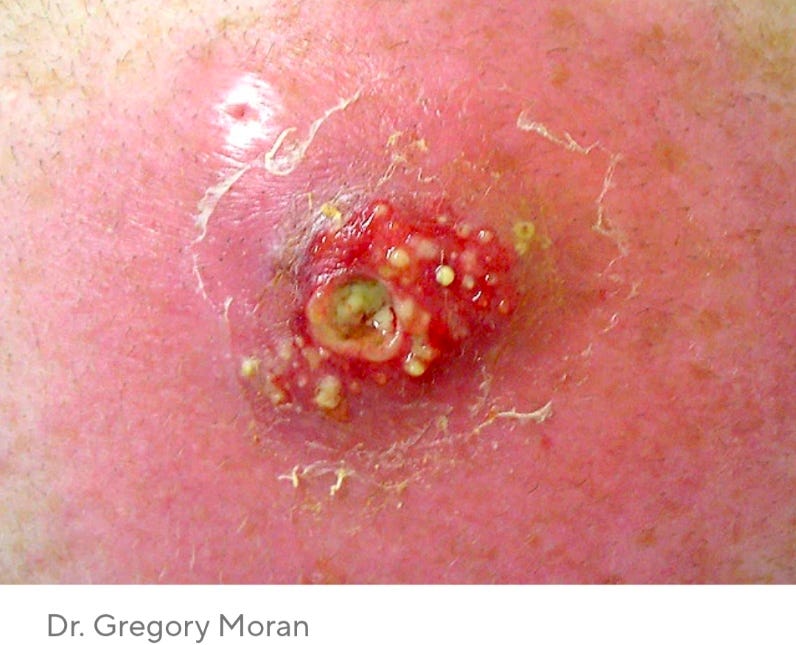
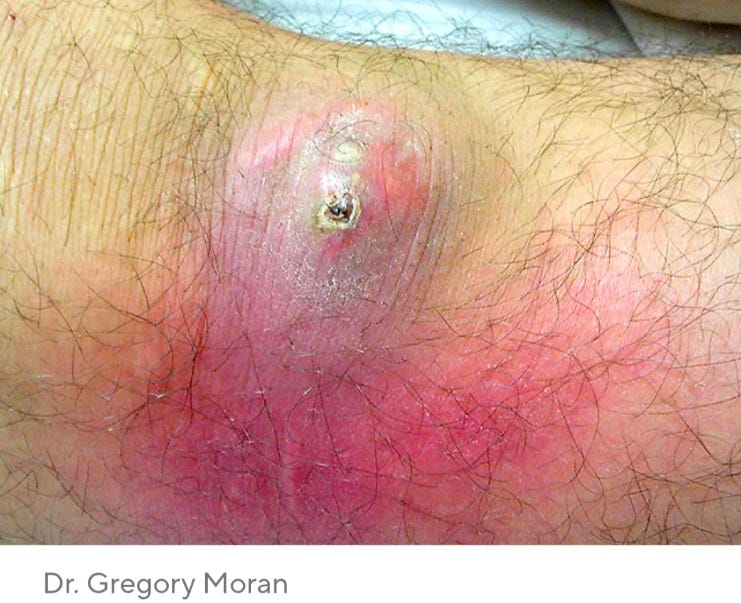
- MRSA — antibiotic‑resistant staph — was detected both at the site and miles downstream.
This is not “dirty water.”
This is pathogen‑rich wastewater moving through a major river system.
THE TEMPERATURE TRIGGER: WHEN THE RIVER TURNS DEADLY
Right now, winter temperatures have slowed bacterial activity. But the river is warming — and the physics of the Potomac make the danger worse:
- Deep channel = colder water = slower bacterial growth
- Shallow edges = warmer water = explosive bacterial growth
- Children, dogs, and shoreline walkers interact with the edges — the warmest, most contaminated zone
Public‑health researchers warn that bacteria “survive in freezing temperatures and become active again when temperatures rise.”
THE CRITICAL TEMPERATURE RANGE
Once the Potomac’s edge waters climb above 60–70°F (15.5–21°C), the pathogens already present begin multiplying at high speed.
That is the bloom threshold — the point where the river stops being merely contaminated and becomes biologically hostile.
At that temperature range:
- E. coli reproduction accelerates
- MRSA becomes more active
- Viral and parasitic contaminants persist longer
- Biofilms form on rocks, mud, and debris — perfect for transmission to dogs and kids
This is not hypothetical.
This is basic microbiology + a river full of sewage.
THE BLOOM ZONE: WHERE THE THREAT IS WORST
The Potomac’s geometry creates a perfect trap:
1. Warm edge water
Sun‑heated shallows reach bloom temperatures first.
2. Slow flow
Low winter/spring flow means less dilution, more stagnation.
Researchers note the river is “very low right now” with “very little contribution from other flows.”
3. Sewage‑saturated sediment
Contaminants settle into mud, sand, and vegetation — then reactivate as temperatures rise.
4. Human and animal exposure points
Every dog walker, every child near the bank, every adult rinsing boots or gear — all contact the warmest, most dangerous water.
THE REALITY: THE POTOMAC MUST BE TREATED AS POISONOUS
Given:
- E. coli thousands of times above safe levels
- MRSA present miles downstream
- Ongoing leakage from canal‑stored sewage
- Warm‑water bloom conditions approaching
…the only rational public guidance is blunt:
Assume the Potomac is poisonous.
Not metaphorically.
Not rhetorically.
Functionally.
Particularly for:
- Children (low body mass, hand‑to‑mouth behavior, open scrapes)
- Dogs (drink water, lick paws, roll in mud)
- Adults with cuts, compromised immunity, or shoreline exposure
THE NEXT PHASE: WHAT HAPPENS WHEN SPRING HITS
As temperatures rise:
- Bacteria trapped in cold water and sediment reactivate
- Pathogens multiply in the warm shallows
- Contamination spreads into tributaries and marsh edges
- Fishing, boating, and shoreline recreation become high‑risk activities
This is why researchers warn that the public must stay engaged “into the spring and the summer.”
BOTTOM LINE
The Potomac is not recovering.
It is incubating.
And once the water warms past 60–70°F, the river becomes a blooming, pathogen‑rich hazard zone — especially along the edges where people and pets actually interact with it.
Until independent testing shows sustained, safe levels:
Treat the Potomac as poisonous.
Keep children away.
Keep dogs away.
Keep yourself away.