

🔥 MARYLAND WIRE INVESTIGATIVE:
THE PILOT MACHINE — AND THE QUIET POWER BEHIND PRINCE GEORGE’S COUNTY DEVELOPMENT
By Barry O’Connell | Maryland Wire
I. THE QUESTION NO ONE IN PRINCE GEORGE’S COUNTY WANTS ASKED
Prince George’s County is handing out Payment in Lieu of Taxes (PILOT) agreements like candy — multimillion‑dollar tax concessions negotiated behind closed doors, routed through LLCs, and approved before the public even knows what’s happening.
And now the county’s Economic Development Corporation — the entity that negotiates these deals — is run by Ingrid Watson, a former councilmember with no private‑sector economic development experience, a history of personal financial strain, and a sudden willingness to fire staff the moment she took office.
This is not a corruption story.
This is a structural vulnerability story.
When you combine:
- a financially pressured official
- a politically loyal appointment
- opaque PILOT negotiations
- and developers who prefer to operate through LLCs and attorneys
…you get a system that practically invites manipulation.
II. THE PILOT PIPELINE: WHERE THE MONEY ACTUALLY FLOWS
PILOTs in Prince George’s County are not small.
A PILOT isPayment In Lieu Of Taxes. A deal that can save devvelopers millionsand the taxpayers rarely know who gets how much.
They are not symbolic.
They are not “technical adjustments.”
They are multi‑million‑dollar tax concessions that determine:
- who builds
- who profits
- who pays
- and who gets squeezed out
Recent PILOTs — all approved in a single April 2025 cluster — include:
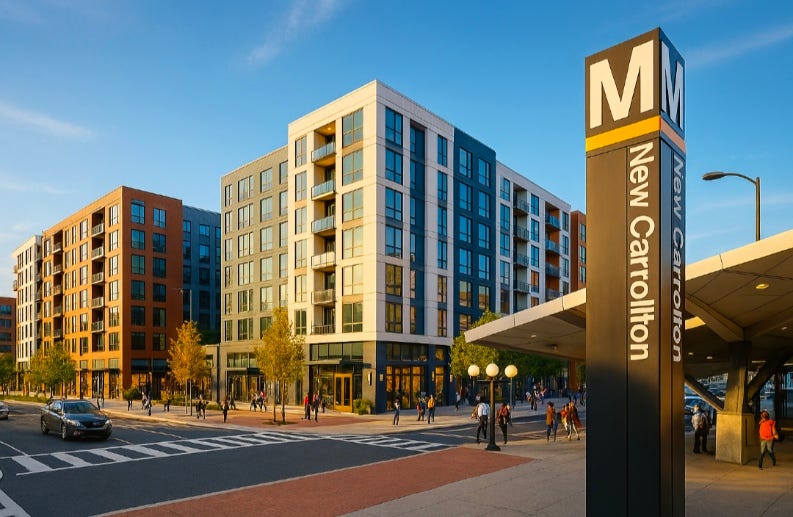
• New Carrollton Affordable Phase 1 (CR‑28‑2025)
• New Carrollton Affordable Phase 2 (CR‑30‑2025)
• Park Place at Addison Road Metro (CR‑31‑2025)
Each of these deals is worth $5–12 million in foregone taxes over the life of the agreement.
But here’s the part that should make taxpayers sit up straight:
The county does not publish the actual dollar value of these PILOTs.
Not the total concession.
Not the term length.
Not the financial impact.
The public sees the headline — “Affordable Housing Approved” — but not the price tag.
III. THE URBAN ATLANTIC QUESTION: WHO REALLY BENEFITS?
Enter Urban Atlantic, one of the most powerful development players in the region.
Urban Atlantic rarely appears under its own name.
Instead, it uses:
- project LLCs
- joint‑venture shells
- attorney intermediaries
- and development subsidiaries
This is legal.
It is also opaque.
One of the key figures in this ecosystem is Alan Lederman, a senior Urban Atlantic executive known for:
- structuring complex financing stacks
- navigating public‑private partnerships
- and operating through layers of LLCs that obscure the true principals
Urban Atlantic is deeply embedded in New Carrollton’s redevelopment — the same site where two of the county’s largest PILOTs were approved.
And yet:
- no public hearing
- no public disclosure of the real principals
- no explanation of the financial impact
- no transparency about who negotiated what with whom
This is not evidence of wrongdoing.
This is evidence of a system designed to prevent the public from knowing whether wrongdoing is even possible.
IV. THE INGRID WATSON FACTOR: A PERFECT TARGET FOR PRESSURE
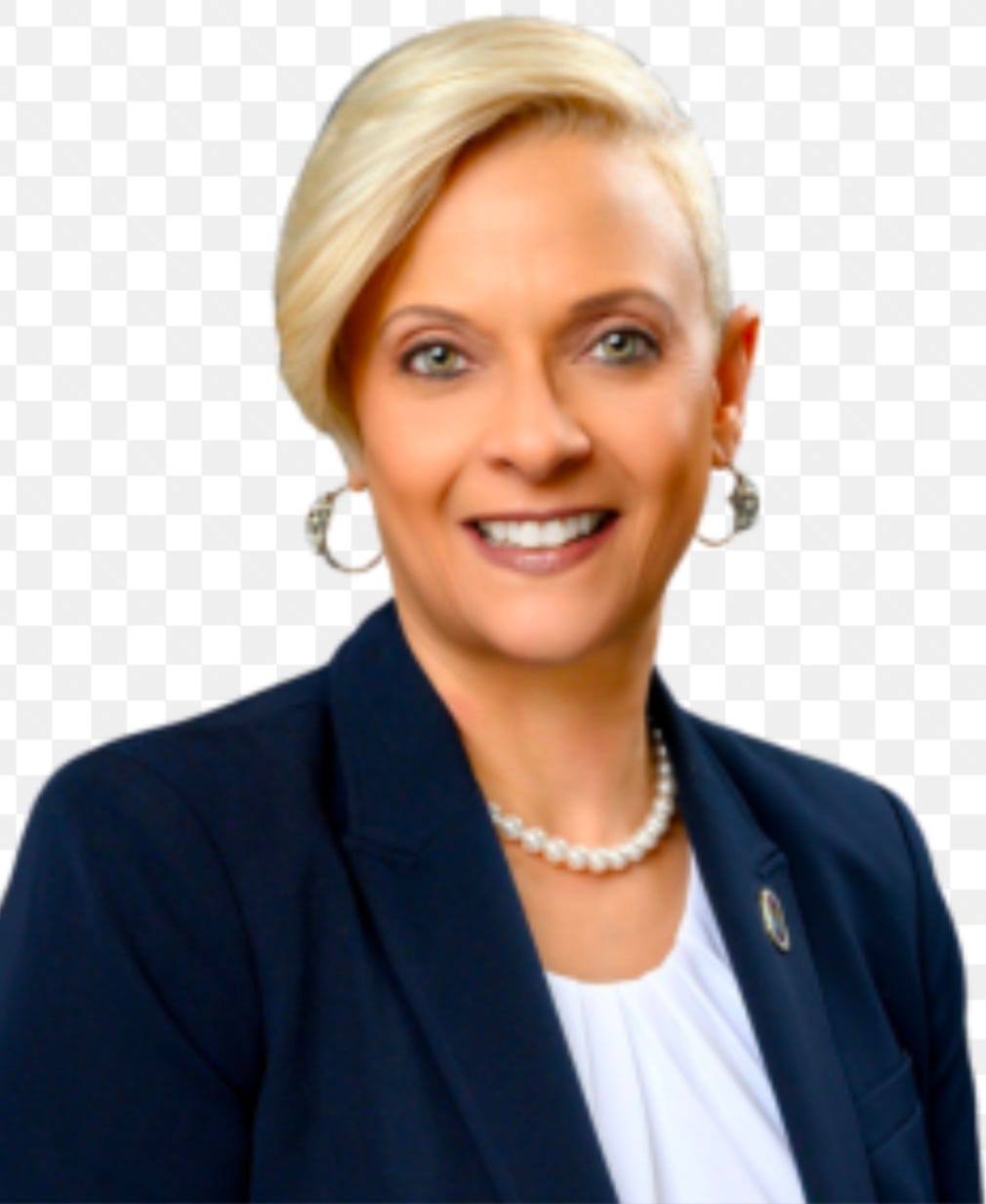
When Ingrid Watson resigned from the County Council to become CEO of the EDC, insiders were stunned.
Her résumé did not match the job.
Her private‑sector experience was thin.
Her financial situation was strained.
Her political loyalty was unquestioned.
And within weeks of taking office, she began firing staff — the kind of staff who:
- review financials
- analyze PILOT terms
- question developer assumptions
- and slow down deals that need scrutiny
Again:
No accusation.
Just pattern recognition.
A financially vulnerable official, newly dependent on a six‑figure salary, suddenly empowered to negotiate multi‑million‑dollar tax concessions with developers who prefer to operate through LLCs?
That is not a personnel story.
That is a governance‑risk story.
V. THE REAL QUESTION: WHO IS DRIVING THE BUS?
Prince George’s County’s development landscape is shaped by:
- developers with deep political ties
- attorneys who specialize in quiet negotiations
- LLCs that obscure ownership
- and an EDC that operates outside the public eye
The county’s PILOT system is:
- opaque
- centralized
- unmonitored
- and ripe for influence
The public cannot see:
- who negotiates
- who benefits
- who pays
- or who pressures whom
And that is exactly how sophisticated developers prefer it.
VI. WHAT NEEDS TO BE INVESTIGATED NEXT
1. Who actually negotiated the New Carrollton PILOTs?
Was it the EDC?
Was it the Executive’s office?
Was it developer counsel?
2. Which LLCs are tied to Urban Atlantic and Alan Lederman?
Follow the SDAT filings.
Follow the registered agents.
Follow the attorneys.
3. Why were key EDC staff fired immediately after Watson took office?
What roles did they play in compliance and oversight?
4. Are any PILOTs being negotiated under NDAs?
This is where data‑center deals would hide.
5. Who is lobbying for PILOTs in Prince George’s County?
Lobbying registrations tell the real story.
VII. THE TAKEAWAY: THIS IS NOT ABOUT ONE PERSON
This is not about Ingrid Watson.
This is not about Urban Atlantic.
This is not about Alan Lederman.
This is about a system that:
- hides financial concessions
- masks developer identities
- centralizes power in a single office
- and places enormous leverage in the hands of officials who may be financially vulnerable
Prince George’s County is not nessasarily corrupt.
But it is structurally exposed.
Is the PILOT program (same acronym) common in all MD jurisdictions? How can the average citizen research their own county of residence for similar transactions?