

By Barry O’Connell
There’s a strange fever gripping parts of the American right—and no, it’s not just the usual culture war hysteria. It’s something darker, more obsessive, and frankly more revealing: a fixation on pedophilia, underage girls, and the supposed moral depravity of everyone outside their ideological bubble.
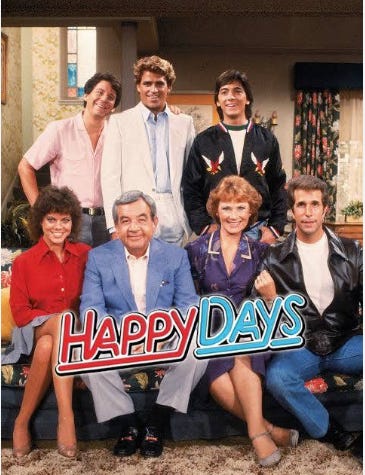
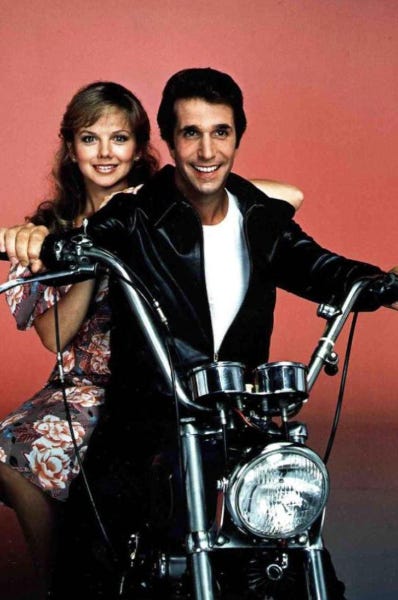
The other night, in Everybody’s Maryland politics Facebook group, someone went off about Happy Days—yes, Happy Days—claiming it was a show about thirty-something men pretending to be tough so they could score with underage girls. I always thought it was just Fonzie saying “Ayyy” and fixing jukeboxes with his elbow. But apparently, even that sanitized slice of Americana is now being reinterpreted as part of a vast cultural conspiracy to normalize sexual predation.
So what’s going on here? Why is the right so obsessed with pedophilia—and why does their outrage seem so performative, selective, and politically convenient?

🧠 From Lolita to Epstein: The Cultural Roots of the Panic
America has always had a weird relationship with teenage girls. From Nabokov’s Lolita to Britney Spears’ schoolgirl phase, the culture has long flirted with the idea of post-pubescent girls as objects of desire. But what was once a troubling undercurrent in pop culture has now become a full-blown political weapon.
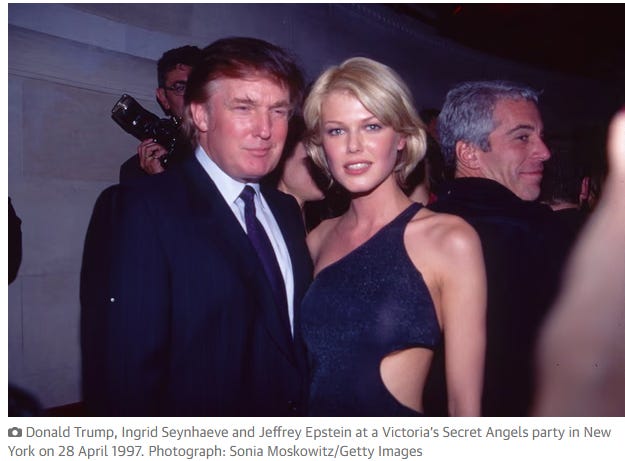
The Epstein affair poured gasoline on this fire. Here was a man with connections to presidents, royalty, and media moguls, abusing underage girls with impunity. For many on the right, Epstein became the poster child for elite corruption. But instead of demanding systemic reform, they turned him into a symbol of liberal moral decay.
🔥 QAnon, MAGA, and the Weaponization of Outrage
Enter QAnon, the conspiracy movement that turned pedophilia into its central thesis. According to Q believers, the world is run by a cabal of child-abusing elites. Supposedly mostly Democrats, Hollywood liberals, and anyone who supports trans rights or public education. It’s not just paranoia; it’s projection.
The MAGA right has embraced this narrative with gusto. They rail against Epstein, scream about “groomers,” and accuse drag queens of corrupting children. But when one of their own, say, Roy Moore or Matt Gaetz, gets caught in the same muck, the outrage mysteriously evaporates.
This isn’t about protecting kids. It’s about power. It’s about painting the left as morally bankrupt while ignoring the rot in their own ranks.
📺 Rewriting Nostalgia: Why Even Happy Days Isn’t Safe
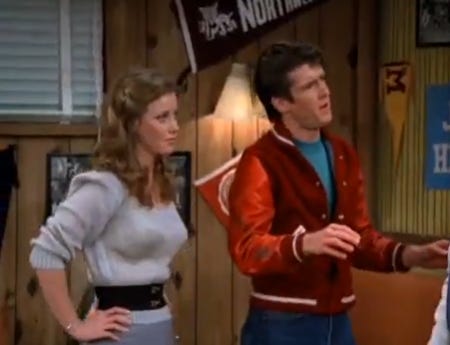
So why drag Happy Days into this? Because the right is in the middle of a retroactive moral panic. They’re reexamining old media through a lens of paranoia, convinced that every sitcom, song, and school curriculum is part of a plot to sexualize children.
It’s absurd, but it’s effective. By turning cultural artifacts into battlegrounds, they keep the outrage machine running. And by focusing on post-pubescent girls, those in the ambiguous space between childhood and adulthood, they tap into a long-standing cultural discomfort that’s easy to exploit but hard to resolve.
🧭 The Real Danger: Selective Morality and Systemic Blindness
Here’s the kicker: the people screaming loudest about pedophilia are often the ones ignoring the real issues. They don’t fund public schools. They don’t support sex education. They don’t protect kids from poverty, abuse, or exploitation. They just want to point fingers.
And when they do talk about underage girls, it’s not always out of concern, it’s often out of obsession. There’s a voyeuristic edge to their rhetoric, a creepy fascination with the very thing they claim to abhor.
🧱 Conclusion: The Panic Is the Point
The right’s pedophile panic isn’t just a moral crusade, it’s a political strategy. It’s a way to delegitimize opponents, distract from their own failures, and rally the base around a shared sense of disgust. But beneath the surface, it reveals something deeper: a culture that’s still profoundly confused about youth, sexuality, and power.
So the next time someone tells you Happy Days was about statutory rape, ask them what they’re really afraid of. Because chances are, it’s not just the jukebox.