

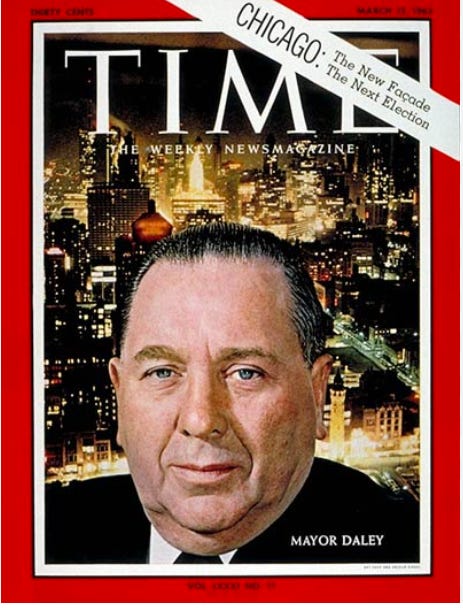
In the early 1970s, Chicago was at a crossroads. Like many American cities, it faced the familiar postwar dilemma: wealth migrating to the suburbs, infrastructure aging, and a shrinking tax base left behind in the urban core. But unlike many of his mayoral peers, Richard J. Daley, the original Mayor Daley, understood that the future of Chicago depended on reversing that trend. He needed to bring high-income residents back into the city, and he knew exactly where to start: the lakefront.
🧭 A Family Story at the Heart of a City’s Transformation
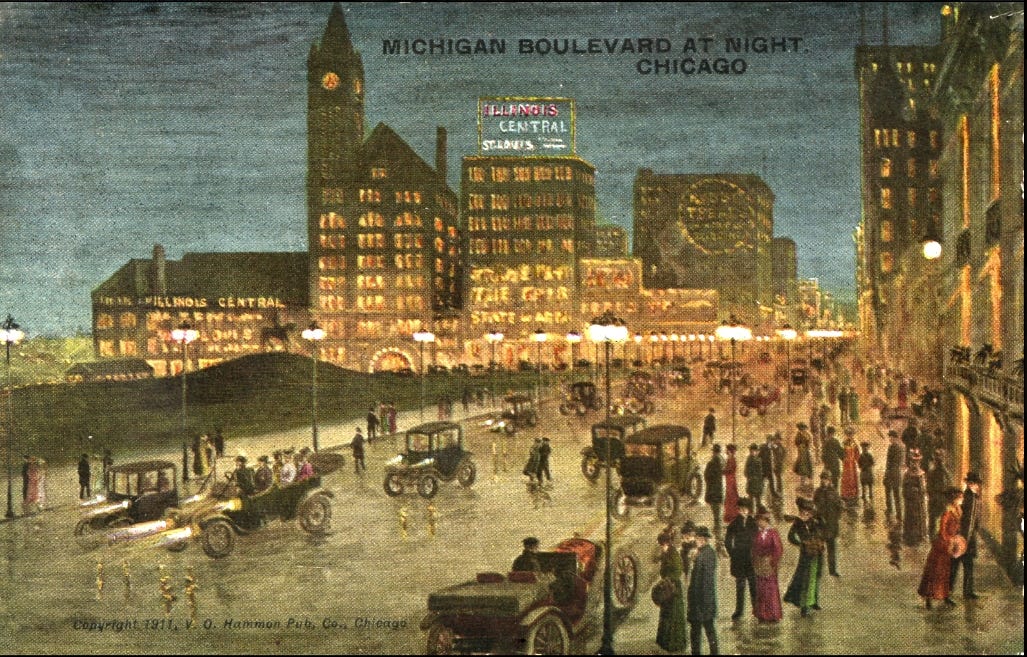
My uncle, Bob, was the Chief Financial Officer of the Illinois Central Railroad—a company that, at the time, controlled vast swaths of Chicago’s lakefront real estate. In 1973, Daley wanted the Illinois Central to repaint its aging Central Station to spruce up the southern end of the Loop. But the station had become a relic. Amtrak had taken over intercity rail, and only commuter trains still used the facility. Bob, ever loyal to his shareholders, saw no financial justification for the cosmetic upgrade and began dodging Daley’s calls—a risky move in Chicago politics.
We lived at 400 East Randolph, then the only residential building east of Lake Shore Drive. One night, as we finished dinner, the intercom buzzed: Mayor Daley was downstairs, asking to come up. Bob was sitting with a drink, my Aunt Mae was scrambling to freshen up, and I—long-haired and in blue jeans, was suddenly the most presentable person in the room. Daley entered with grace and familiarity. He and Mae had crossed paths during the 1968 Democratic Convention, and their rapport was instant. After pleasantries, Daley and Bob retreated to the living room, where they argued, negotiated, and ultimately struck a deal that would reshape the city.
🏗️ The Deal That Changed the Lakefront
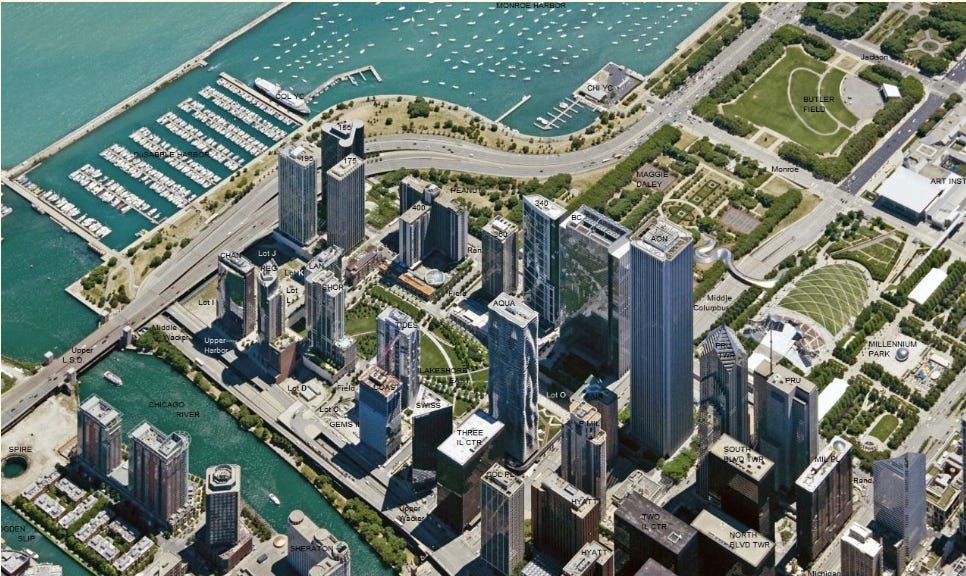
Daley’s vision was clear: redevelop the land between East Randolph and the Chicago River, transforming it from rail yards and industrial remnants into a vibrant urban neighborhood. The Illinois Central, shifting from rail operations to real estate and corporate diversification, was ready to pivot. The deal allowed:
- Demolition of Central Station
- Backfilling of lakefront land, extending development eastward
- Rerouting of Lake Shore Drive, eliminating the dangerous L-bend near the river
- Removal of the old yacht club and relocation of the German U-boat, which had docked where solid ground now stands
This wasn’t just a land swap. It was a strategic urban intervention. Daley understood that leaving a ring of wealthy suburbs around a decaying city core would be disastrous. By reclaiming the lakefront and inviting high-income residents to live downtown, he reversed the trajectory of urban decline.
🧬 From Railroads to Real Estate
The Illinois Central Railroad, constrained by federal regulations that made profitability nearly impossible, began its transformation into IC Industries. One of its acquisitions was the company behind Whitman’s Sampler candy boxes, and after focus group testing, the name Whitman became the corporate brand. It was a pivot from steel and steam to branding and development, a reflection of how American industry was changing.
🌆 Lessons for Baltimore, Rockville, and Beyond
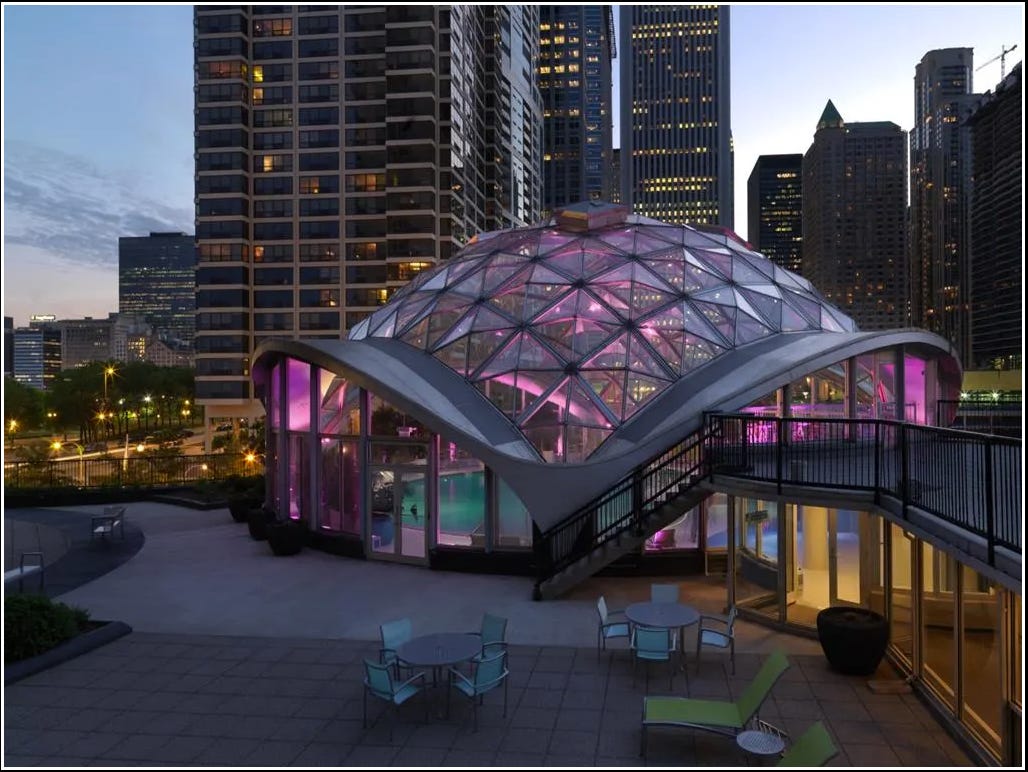
Daley’s lakefront gamble paid off. Today, the area between East Randolph and the river is one of Chicago’s crown jewels. It is a dense, walkable, high-income neighborhood that anchors the city’s tax base and cultural vitality. Cities like Baltimore, Pittsburgh, and even Rockville face similar challenges: how to retain and attract residents, revitalize aging infrastructure, and avoid becoming hollowed-out cores surrounded by wealth.
The answer isn’t just policy—it’s vision, negotiation, and sometimes, a mayor willing to knock on your door and make the case in person.
I enjoyed this piece. I also wanted to note that William Johnson, presumably your uncle Bob's boss as CEO of IC Industries, grew up in Salisbury and graduated from Washington College. I think Bill had his own "special relationship" with Daley to get the project through. I wonder if there was a medical connection between Bob and Bill.