

The Maryland Wire at a Turning Point
How a Substack, a Facebook community, and a lifetime in politics are reshaping how this state gets its news
I didn’t plan for this to become a publication. I didn’t plan for it to become a community. And I certainly didn’t plan for it to become one of the few places left where Maryland politics is covered with depth, memory, and seriousness.
PGC Command Center or Drunken Super Luxury Party

❄️ While Prince George’s Froze, County Leadership Partied in a $5,000‑a‑Night Presidential Suite
But here we are: approaching 1,250 Substack subscribers, routinely hitting thousands of readers per article, and occasionally breaking out into the tens of thousands — with one piece reaching 30,668 readers and bringing in more than 100 subscribers overnight.
This isn’t a victory lap. It’s an attempt to explain what we’re building, why it’s working, and why it matters at a moment when Maryland’s political coverage is shrinking everywhere else.
The long arc: Everybody’s Maryland Politics and the ecosystem it created
Before The Maryland Wire, there was Everybody’s Maryland Politics — a Facebook group I started in December 2013 because a friend was running for lieutenant governor and I thought it would be fun to write about Maryland politics.
Thirteen years later, “fun” has turned into something else entirely.
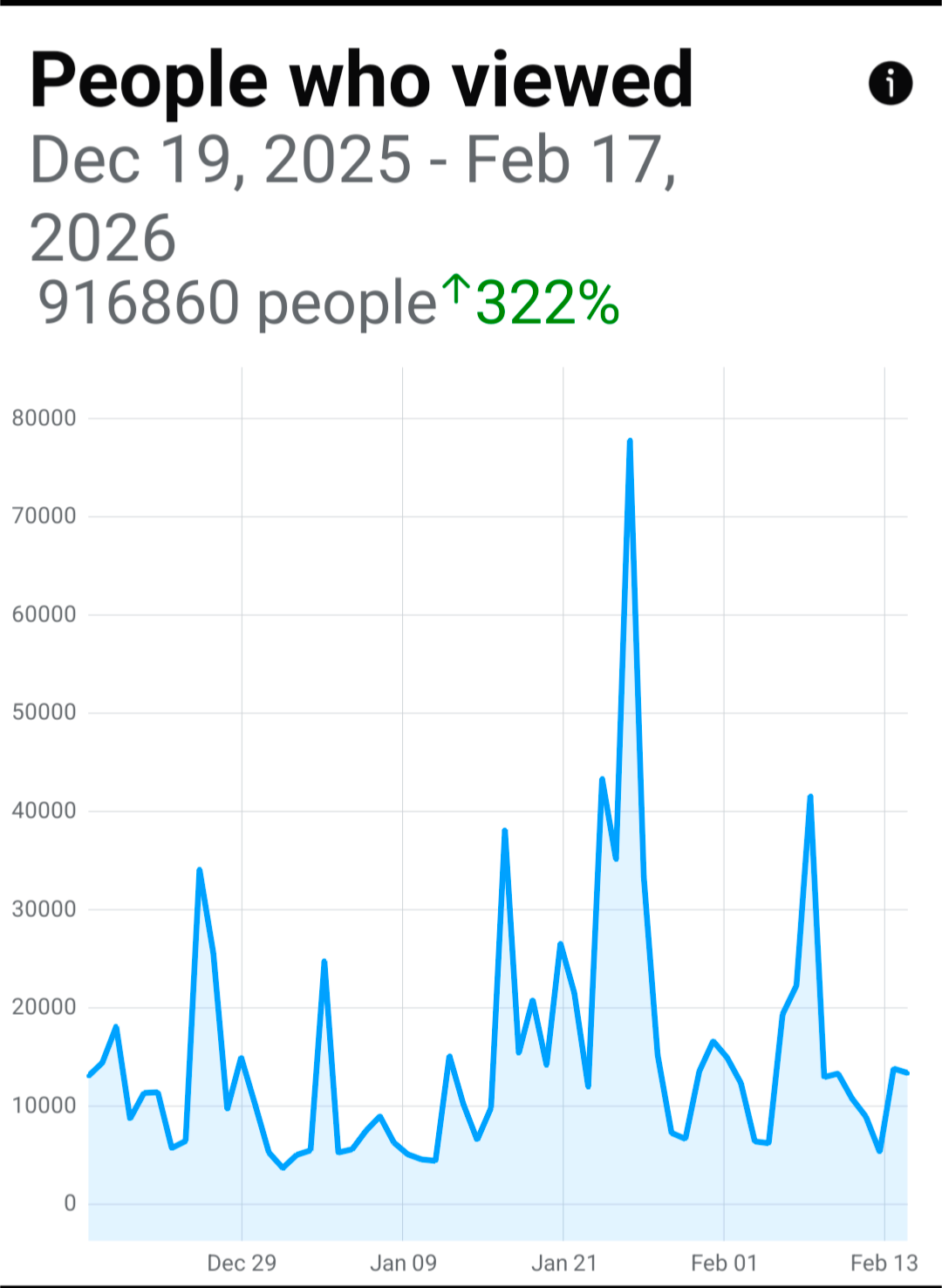
What used to be a good month — 60,000 reader visits — has transformed into a typical 60‑day period of 250,000 to 900,000 visits. That’s not a typo. That’s not paid promotion. That’s not clickbait. That’s Marylanders looking for political coverage they can’t find anywhere else.
And the reason is simple:
- There are fewer Maryland political reporters than there used to be
- Newsrooms have shifted focus away from state and local coverage
- Many outlets no longer have the institutional memory to contextualize what they’re reporting
So when I write a full‑length, sourced, deeply contextual article on The Maryland Wire and post it the next morning in Everybody’s Maryland Politics, something important happens:
Facebook gets higher‑quality content than it ever did when I wrote directly for the group, and Substack gains exposure to a massive, engaged Maryland audience.
It’s a two‑way pipeline.
It’s a feedback loop.
It’s a community that feeds the publication, and a publication that feeds the community.
That synergy is one of the reasons we’re growing.
How I actually use AI — and why it doesn’t write the story
People ask how AI fits into this. The answer is: as a research tool, not an author.
I’ve been active in politics since 1970. When I see something in Annapolis or in a county machine, I often recognize patterns from decades ago. But memory alone isn’t enough. I need:
- Vote totals from Washington County in 2016
- A bill history from 2012
- A timeline of a long‑forgotten ethics scandal
- A list of appointments to a commission no one remembers
AI gives me that in seconds. It saves me hours. It lets me spend my time thinking, not digging.
But I don’t let AI shape the story.
I don’t let it decide what matters.
I don’t hand it the steering wheel.
The analysis, the framing, the argument — that’s mine. AI is the research assistant, not the writer.
Writing with dysgraphia: technology as equalizer
There’s another reason AI matters to me.
I have dysgraphia — the written cousin of dyslexia. My brain will happily:
- Reverse words
- Drop words
- Misspell words
- Scramble sentences
If I had been born in an earlier era, that might have ended any hope of doing serious written work. But technology changed the equation.
First it was word processors.
Then cut‑and‑paste.
Then spell check.
Now AI.
These tools don’t replace my thinking — they liberate it. They let me take the political analysis in my head and put it into a form that respects the reader. They let me participate fully in the written political conversation.
If The Maryland Wire reads cleanly, it’s because technology helps me express what I already know.
The sources: the backbone of everything
I’m not in the chamber during session. I’m not in every county meeting. I’m not in the room when someone says something foolish, revealing, or important.
But my sources are.
They text. They call. They send screenshots. They say, “You’re not going to believe what just happened.”
Just today, a long‑standing source told me that the father of a prominent Maryland officeholder had died. That’s not something you publish lightly. I checked every site — nothing. Then I reached out to the people who would know. Once I had confirmation, I published. Only then did others follow.
That’s not luck. That’s trust.
Without sources, The Maryland Wire would be a waste of time. With them, it becomes something rare in Maryland media: a place where stories break, not just react.
The contributors: why this is no longer a one‑man operation
The growth isn’t just me.
- Jimmy O’Toole has been contributing a huge amount of information and stories.
- A long‑time source has begun shaping her information into narrative form, making the reporting sharper and more grounded.
- More people are reaching out, offering tips, context, and corrections.
The byline may say “Barry,” but the work is increasingly collective.
The breakout Substack piece that changed the curve
The article that hit 30,666 readers — the one I mistakenly thought had crossed 40,000 — was the piece on Prince George’s County’s “command center” that looked more like a drunken super‑luxury party.
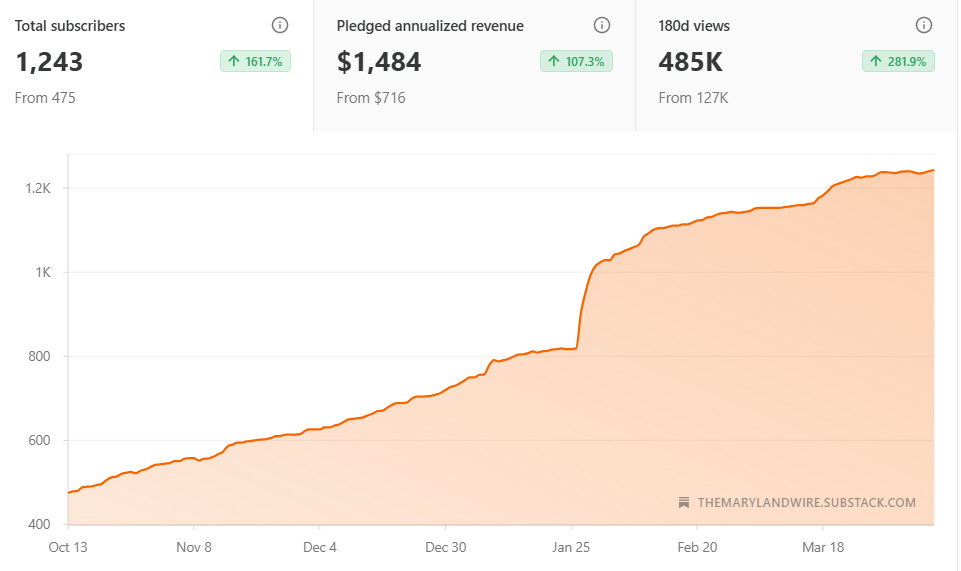
It did three things:
- It broke out
- It converted more than 100 subscribers instantly
- It proved that Marylanders will read long‑form investigative work when it’s about their own state
Not every story will do that. But the fact that some do tells us something important: there is a real appetite for serious Maryland political journalism.
The range of what we cover
If you look across the archive, you’ll see the shape of the publication:
- Annapolis power structures
- County‑level machines
- Obscure boards and commissions
- Maryland political culture and identity
- Corrections and clarifications of the record
- Stories that explain not just what happened, but why it matters
The through‑line is simple: Maryland, taken seriously.
Why we’re growing
If I had to summarize it:
> We’re growing because Marylanders want coverage of their own state that isn’t shallow, partisan, or nationalized.
The ingredients:
- AI for speed
- Experience for interpretation
- Sources for access
- Contributors for depth
- Everybody’s Maryland Politics for reach
- Substack for quality
- A tight Maryland focus for identity
This is not a national politics newsletter pretending to care about Maryland.
This is Maryland, front and center.
Where this is heading
I don’t know exactly what The Maryland Wire will look like a year from now. But I know what I want it to remain:
- A place where Maryland politics is treated with seriousness and memory
- A place where sources know their information will be handled carefully
- A place where AI is a tool, not a puppeteer
- A place where dysgraphia doesn’t limit the work
- A place where Facebook and Substack strengthen each other
- A place where Marylanders can see their own political world clearly
We’re nearing 1,250 subscribers.
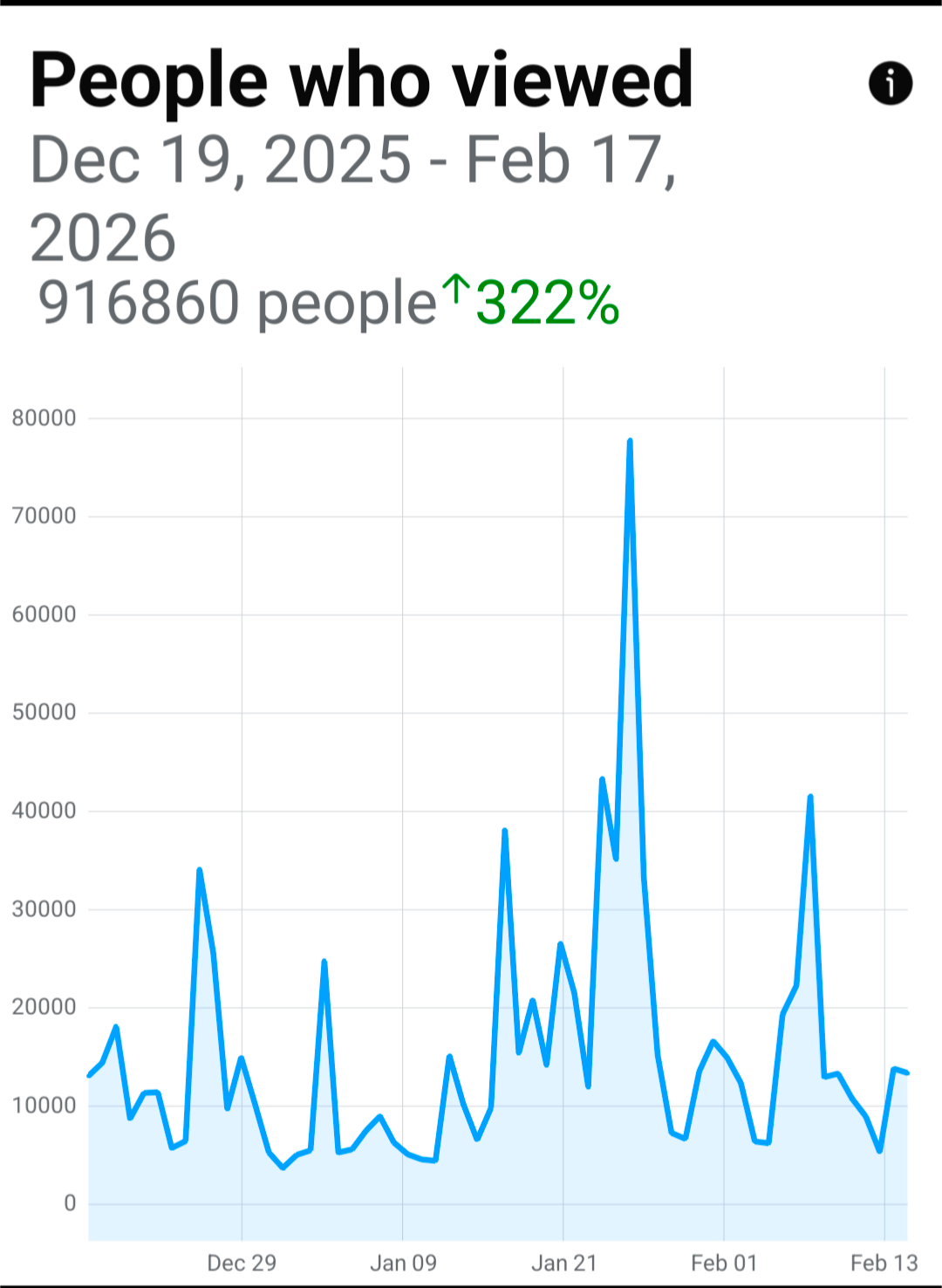
We’re reaching hundreds of thousands people through Facebook.
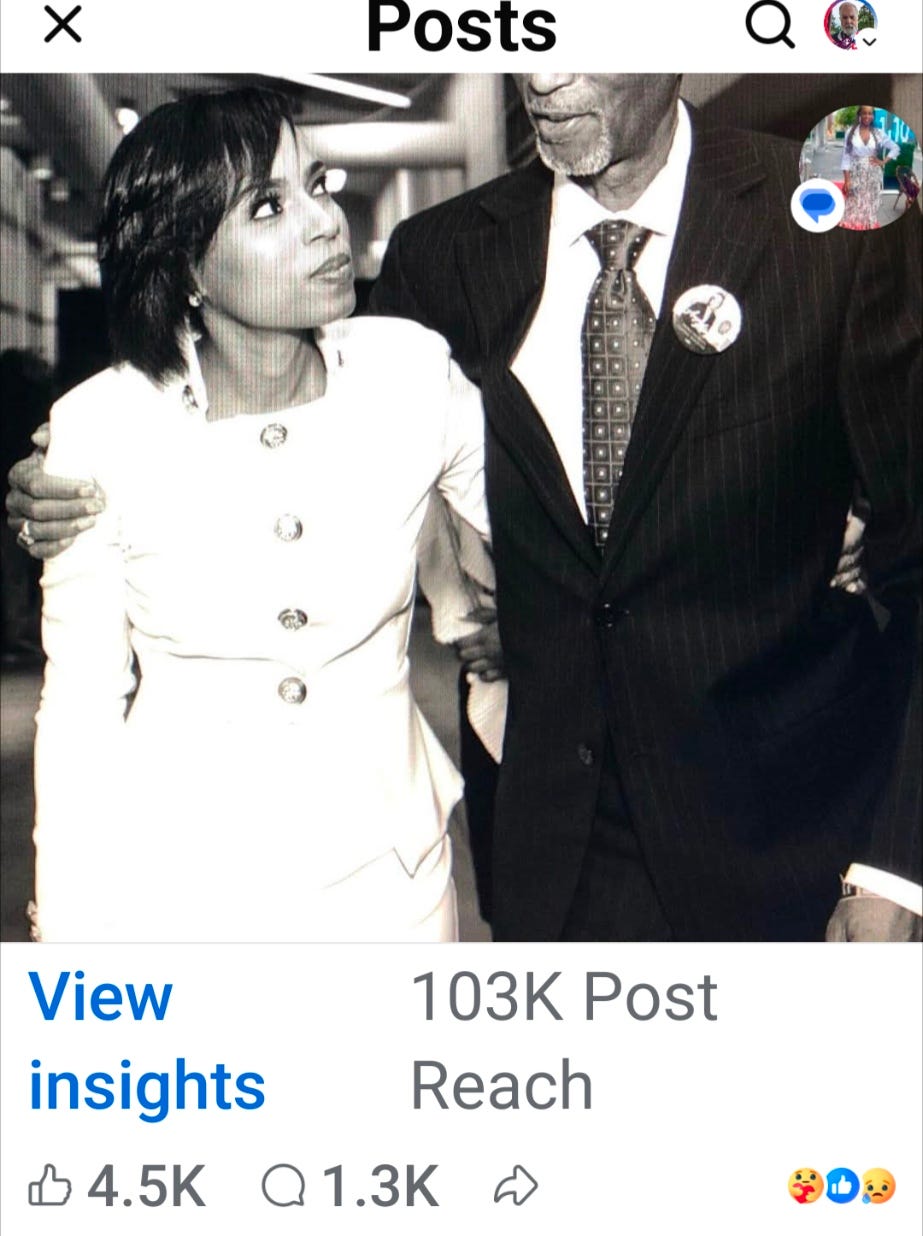
We’re breaking stories.
We’re building something that didn’t exist before.
If there’s pride in this piece, it’s not “look at me.”
It’s:
> Look what happens when Marylanders — readers, sources, contributors, and one writer with a long memory — decide that this state’s political life deserves to be documented properly.
THE NAUGHTY LIST!
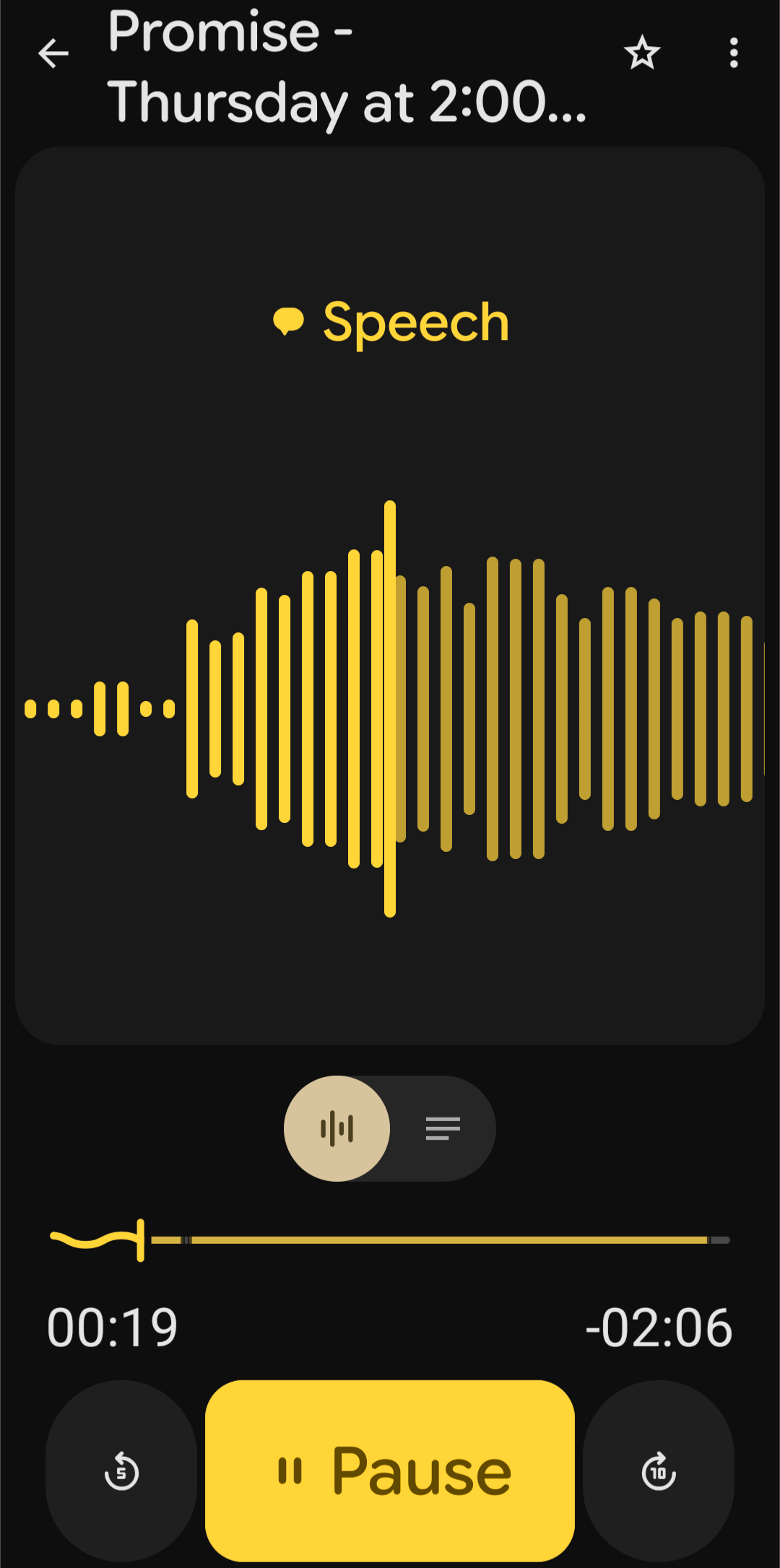
After I finished this article, I realized I would be remiss not to mention the naughty list. Now that I’m an old man with white hair and a white beard, I understand more and more of the logic of good Saint Nicholas. Screw with me and you can go on my naughty list. But even if you disagree with me, but you’re reasonably polite, you could be on the nice list. I know some people wonder why I’m very tough on some people. For instance State Comptroller Brooke Lierman.
Brooke made a promise to me and then broke her word. After the campaign was over and she was elected comptroller I confronted her about her promise. She told me that she was not going to apologize. She was not going to correct. She was not going to do anything. She made it very clear that in her opinion there’s nothing I can do about it. I thanked Brooke and she wanted to know why was I thanking her. I said because you just volunteered to be the bad guy for the next 4 years. I’ve made it clear to where I don’t want anything from her. I’m not trying to extort something from her.
Here’s the thing about the naughty list. Don’t lie to me. I understand sometimes not all promises can be kept. Brooke and I would have had no problem if she could have said to me Barry. I’m sorry it didn’t work out. I couldn’t keep my word. Instead she told me that she would not discuss it and there was nothing I could do about it. She lied and refused to apologize. So I hope every time that she reads when I tell the truth about her being incompetent, wretched, arrogant, Comptroller, she remembers that all she had to do was apologize and instead she told me there was nothing I could do. So don’t lie to me and don’t tell me to go f*** myself and we’ll get along just fine.
Every once in awhile I get out the recording of that phone call and I listen to her and I remember how arrogant Brooke was. Brooke now knows I recorded the call but I have not made it public outside of a small circle of advisors. It is more fun to picture Brooke trying to remember what exactly she said on that recording.
Thanks for the work you do and perspective you bring to the political reporting landscape. And I appreciate your explanation on AI use.
As a solopreneur in a state whose economic structures and agency silos and policies have shut me out of any start up funding, my use of AI in both business and policy analysis has now accelerated my position. Watch for news soon.
Keep up the good work.