

For decades, the prevailing narrative in Maryland politics has been clear: Baltimore City and Prince George’s County take too much from the state’s coffers while contributing too little. It’s a trope that’s been weaponized in budget debates and campaign sound bites alike. But what if the real “mooch” counties aren’t urban at all? What if the most subsidized jurisdictions are rural, Republican strongholds?
This is not to critisize these countys but instead when theydemand smaller government they argue against them selves. When counties in Western Maryland wanted to leave Maryland no one wanted them.
A fresh look at state aid dependency data from the Department of Legislative Services reveals a more complicated truth. Some of Maryland’s smallest counties are, in fact, the biggest net beneficiaries of state dollars, receiving far more than they generate in local taxes. Let’s name names.
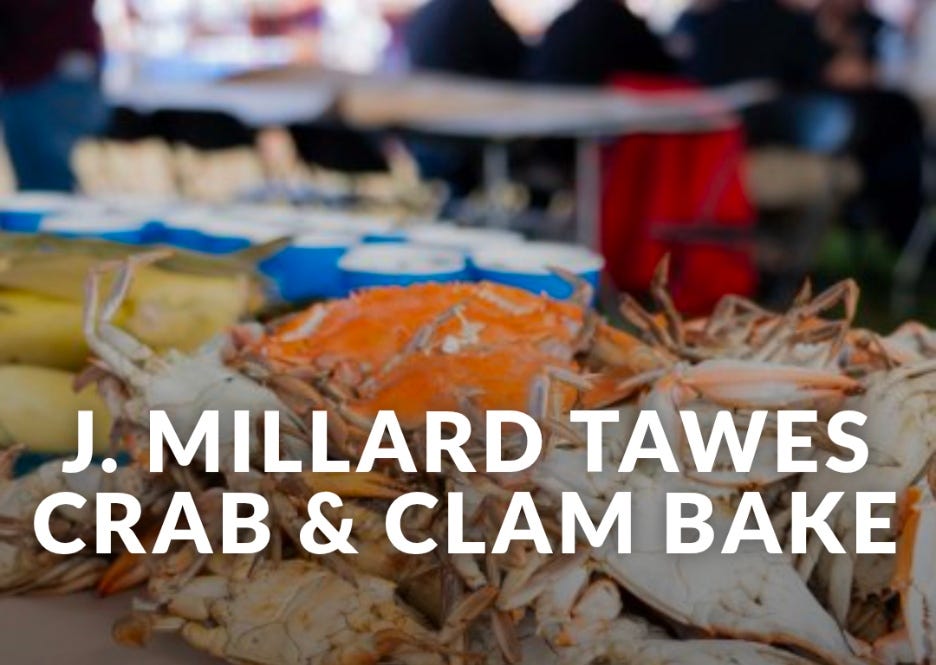
🥇 1. Somerset County: The Biggest Mooch
- State aid makes up 47.6% of total revenue
- Own-source revenue is just 32.4%
- With the lowest local tax generation in the state, Somerset runs on state and federal funds. The county ranks dead last in financial independence, yet rarely features in “moocher” rhetoric.
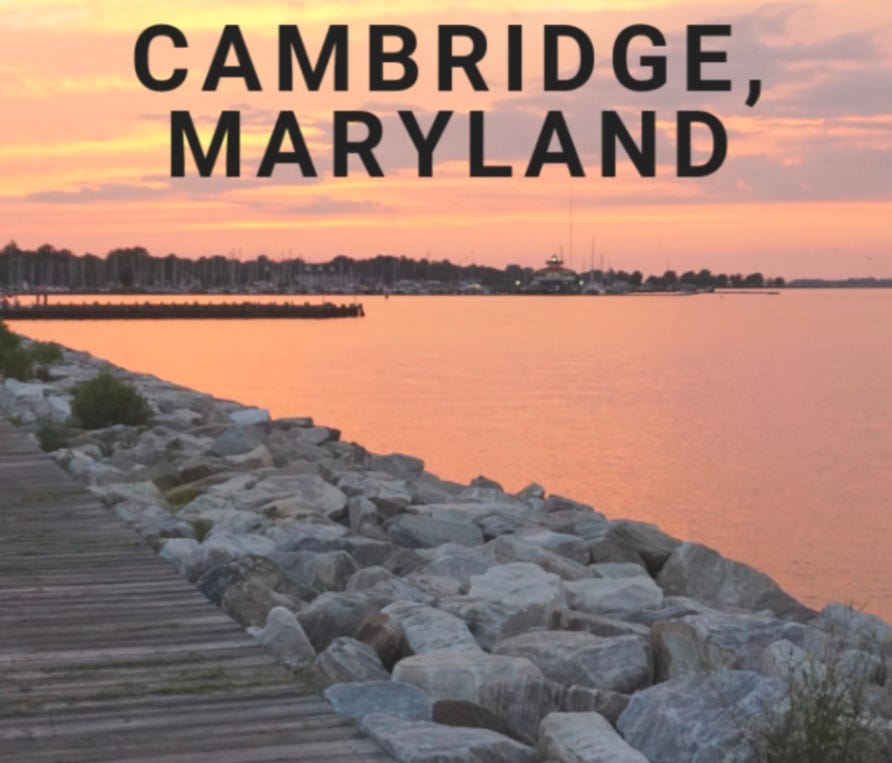
🥈 2. Dorchester County: Subsidized by Annapolis
- Around 44% of revenue from state aid
- Despite its picturesque shoreline, Dorchester is fiscally fragile. Education and public safety funding make up the bulk of its state reliance—yet its voting patterns lean red.
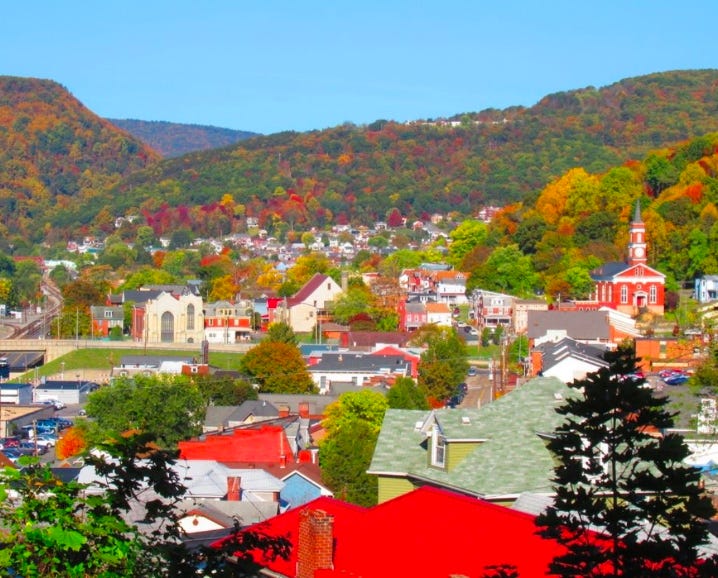
🥉 3. Allegany County: Mooching in the Mountains
- Over 40% of county revenue comes from the state
- Western Maryland’s Allegany has long been a Republican stronghold. But its aging infrastructure and shrinking workforce have made it increasingly dependent on outside help.
4. Caroline County: Small Government, Big Aid
- State aid exceeds 40% of revenue
- While local leaders preach fiscal conservatism, Annapolis quietly foots the bill. Caroline’s limited property tax base and sparse industrial development explain the imbalance.
5. Wicomico County: Mooch with a University
- Over 40% of revenue from the state
- Wicomico benefits from state support for Salisbury University and public health initiatives, but its own tax contributions trail behind the dollars it draws down.
The Redistribution Irony
These findings flip the narrative. While Baltimore and Prince George’s receive significant state investment, their robust local economies generate substantial revenue. In contrast, the most state-dependent counties are often the loudest voices against big government—a tension worth exploring as budget season rolls around.
This isn't about shaming rural counties. It's about acknowledging that every community benefits from redistribution—and some more than others. If you're going to talk about “makers vs. takers,” make sure you're pointing your finger in the right direction.