

🧷 The Cufflink and the Ribs: Mike Miller’s Grip on a County in Transition
By Barry O’Connell
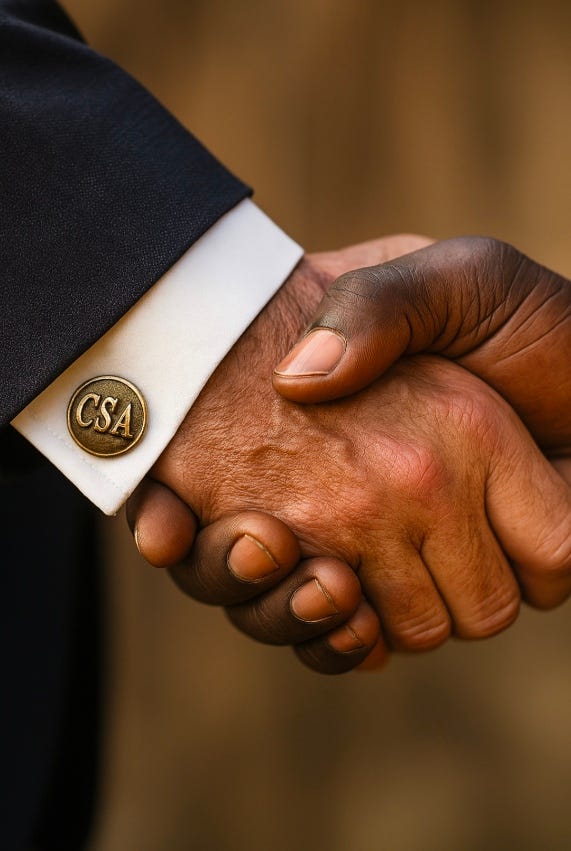
Prince George’s County didn’t flip overnight. It shifted—slowly, strategically, and under the watchful eye of a man who wore Confederate cavalry cufflinks while shaking hands with Black power brokers over ribs and beer.
Senate President Thomas V. “Mike” Miller Jr. didn’t invent the machine. He inherited it from the Sasscer era, a time when white dominance was enforced not just by votes but by lineage, land, and law. But Miller didn’t dismantle it either. He retooled it—absorbing Black leadership into its gears while keeping his hand firmly on the throttle.
🧩 The Transitional Figure
Miller was no segregationist. But he wasn’t a racial progressive either. He was a transitional figure: a man of Southern Maryland, steeped in its symbols and rhythms, who understood that power must evolve or perish.
He wore cufflinks fashioned from Confederate cavalry uniform buttons. Not as a provocation, but as a quiet signal—to insiders, to history, to himself. They were reminders of a world that shaped him, even as he helped reshape the county it once ruled.
A friend of mine who was a senator for many years told me that when his mother died the first call he got was from Mike Miller offering condolences. He said when something good happened Mike was the first one to congratulate you and when something bad happened he was the first one to call with condolences.
Mike could say and do seemingly racist things but he was more than a racist. He could help Black candidates start and further their careers, but he was more than a Black activist. He was in many ways a man of the middle temperament.
🍖 The Vetting Ritual
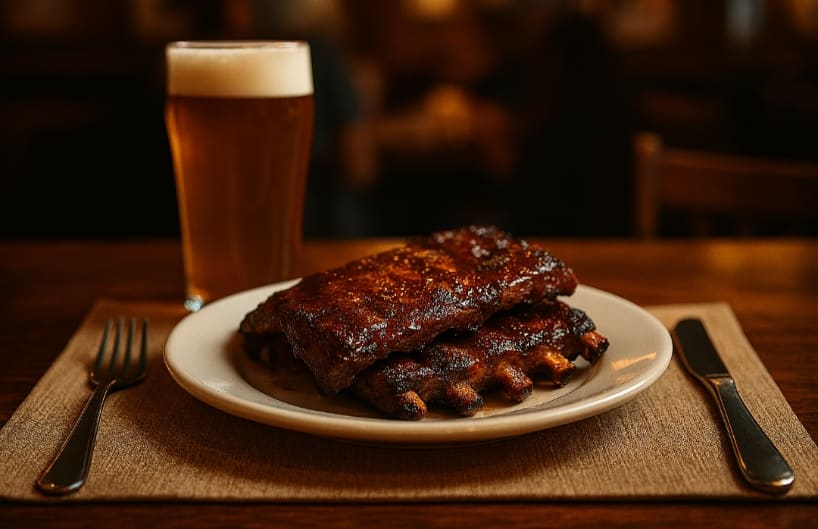
In the late ’90s and early 2000s, if you were a Black man with political ambitions in Prince George’s County, you didn’t start with a campaign manager. You started with a plate of ribs.
One prominent Black official—now a towering figure in Maryland politics—recalled his first real interview happening not in Annapolis, but at the Ebony Inn. The gatekeeper wasn’t Miller. It was Senator Tommy Broadwater, a man whose career included both electoral success and federal prison time.
Broadwater would listen. He’d size you up. And if he decided you were viable—if you could be trusted to work within the machine—he’d pass word to Miller. That was the blessing. That was the ring.
🧠 The Machine Logic
Miller’s genius wasn’t in ideology. It was in control.
- Senators controlled their delegations.
- Delegations controlled county government.
- Miller controlled the senators.
It was elegant. Brutal. Effective.
If you made peace with the machine, it lifted you. If you defied it, it buried you. The Hoyer–Miller axis could summon endless money, insider endorsements, and procedural chokeholds. Very few candidates ever bucked the machine and lived to tell the tale.
🧨 Between Two Machines
Miller’s era bridged two extremes:
- The Sasscer machine, built on exclusion and quiet dominance.
- The Braveboy–Jack Johnson machine, built on patronage, access, and corruption.
Miller’s machine was cleaner than what came after, but it was still a machine. It demanded loyalty. It punished dissent. It operated in back rooms, not press conferences.
🧵 Mixed Messages
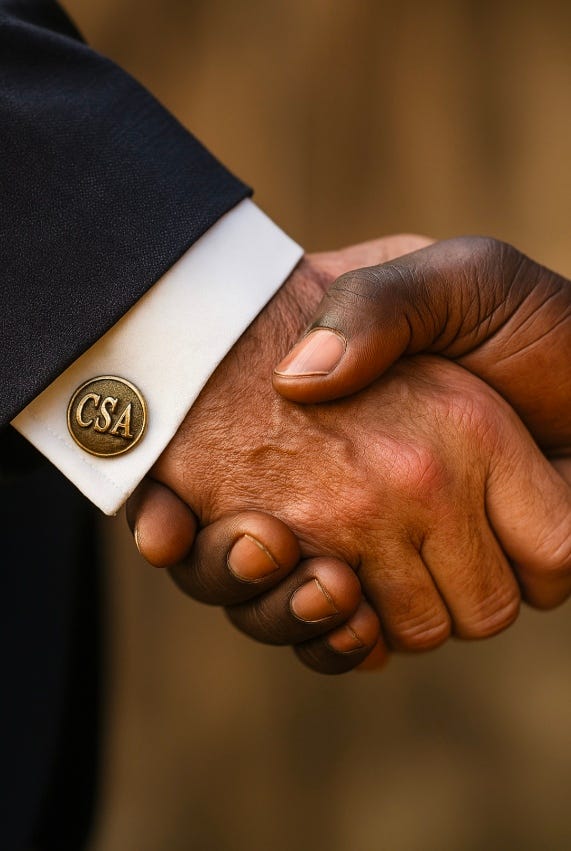
The handshake between the cufflink and the Black hand wasn’t hypocrisy. It was history. It was Prince George’s County learning to walk with both feet—one planted in the past, one reaching for the future.
Miller didn’t erase the old order. He didn’t fully embrace the new one. But he held the line long enough for the county to transition without collapse.
And that, in Maryland politics, is no small feat.