

An Annotated Wake-Up Call for Maryland Women and Anyone Who Thinks Rights Are Permanent
By Barry O’Connell
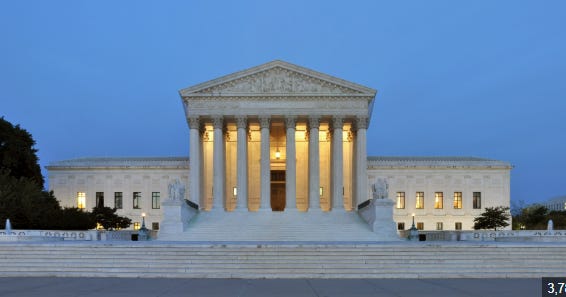
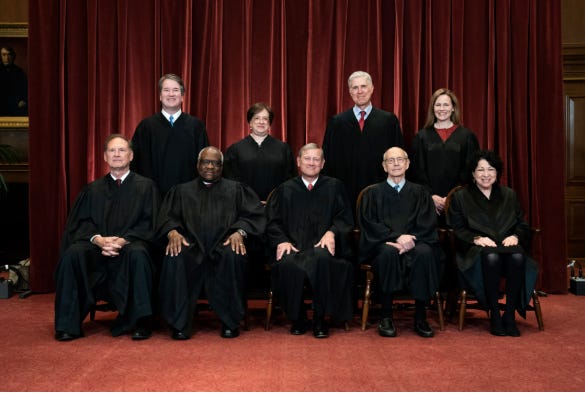
Let’s begin with a simple premise: the Constitution is not a spellbook. It doesn’t protect you because you believe in it. It protects you because nine unelected justices interpret it—and they can change their minds.
We learned this the hard way when Roe v. Wade was overturned in Dobbs v. Jackson Women’s Health Organization (2022). The right to abortion, once considered “settled law,” vanished overnight. Why? Because it wasn’t explicitly written in the Constitution. It was inferred—from a “right to privacy” that itself was inferred from a constellation of amendments. That’s a lot of inference for a document written in 1787 by men who didn’t believe women should vote, own property, or exist outside the domestic sphere.
So let’s ask the real question: What other rights are vulnerable? And what does that mean for Maryland women who assume the Constitution has their back?
🔥 Rights Most at Risk: A Ranking from Precarious to Merely Fragile
Here’s a breakdown of rights that are not explicitly protected by the Constitution, ranked by vulnerability. These are rights that could be reinterpreted, restricted, or erased—especially under a Court aligned with the goals of Project 2025, the Heritage Foundation’s blueprint for a post-2025 conservative administration.
🟥 High Vulnerability
- Birth Control Access
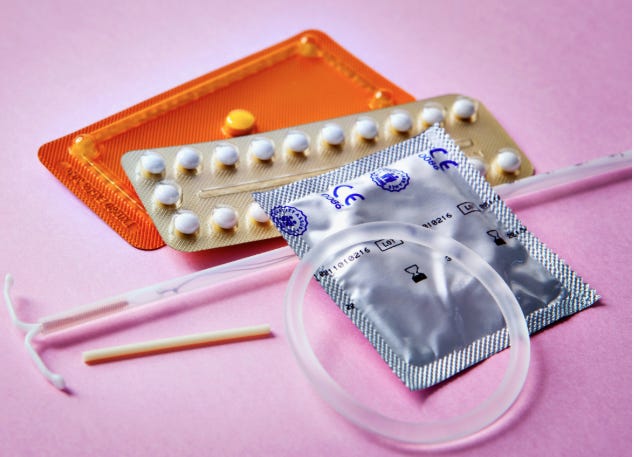
Griswold v. Connecticut (1965) and Eisenstadt v. Baird (1972) legalized contraception for married and unmarried people. But the right to contraception is grounded in the same privacy doctrine that Dobbs dismantled.
→ What could happen: States could ban certain forms of birth control (e.g., Plan B, IUDs) by reclassifying them as abortifacients. Federal funding for contraception could be slashed.
Same-Sex Marriage
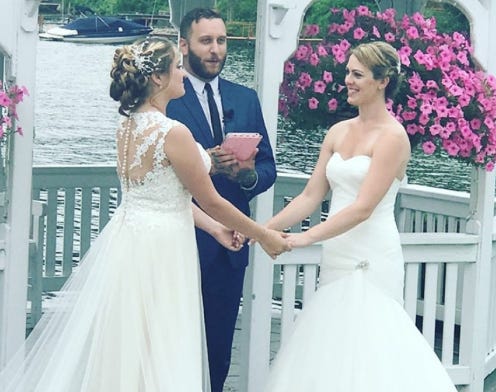
Obergefell v. Hodges (2015) legalized same-sex marriage nationwide. But the ruling relied on substantive due process—another inferred right.
→ What could happen: States could refuse to recognize same-sex marriages or deny benefits. Federal protections could be rolled back.
- Gender-Affirming Care and LGBTQ+ Protections
Bostock v. Clayton County (2020) extended Title VII protections to LGBTQ+ workers. But this interpretation is vulnerable to reversal.
→ What could happen: Employers could legally discriminate. Healthcare access could be restricted. Federal agencies could be barred from recognizing gender identity.
🟧 Moderate Vulnerability
- Parental Rights
Troxel v. Granville (2000) affirmed a parent’s right to direct their child’s upbringing. But it’s not textually grounded.
→ What could happen: States could impose curriculum bans, override parental consent in healthcare, or restrict homeschooling.
- Right to Travel
Inferred from multiple amendments, but never explicitly stated.
→ What could happen: States could criminalize travel for abortion or gender-affirming care. Federal protections could be weakened.
- Access to IVF and Fertility Treatments
Not constitutionally protected.
→ What could happen: States could ban or restrict IVF, especially if embryos are granted personhood status.
🟩 Low (but Not Zero) Vulnerability
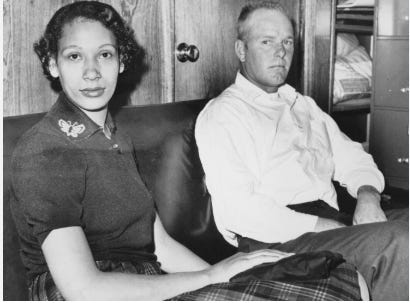
- Interracial Marriage
Loving v. Virginia (1967) struck down bans on interracial marriage. It’s more secure due to equal protection grounding, but still not immune.
→ What could happen: While unlikely, a radical reinterpretation of equal protection could open the door to state-level challenges.
- Access to Public Education
Not explicitly guaranteed in the Constitution.
→ What could happen: Federal funding could be redirected to religious or charter schools. Curriculum could be ideologically filtered.
🧨 What Project 2025 Wants—and Why Maryland Women Should Pay Attention
Project 2025 is not a fringe document. It’s a detailed plan to reshape federal governance, including:
- Defunding reproductive health programs
- Erasing federal recognition of LGBTQ+ identities
- Promoting “biblical values” in public institutions
- Replacing career civil servants with ideologically vetted appointees
For Maryland women, this could mean:
- Losing access to federally subsidized contraception
- Facing restrictions on IVF, emergency contraception, or gender-affirming care
- Watching Title IX protections erode in schools
- Seeing federal agencies refuse to recognize same-sex marriages or LGBTQ+ families
🧠 Final Thought: Rights Are Not Self-Enforcing
The Constitution doesn’t protect you because it’s noble. It protects you because someone fights for the interpretation that includes you. And right now, that interpretation is under siege.
If you’re a Maryland woman who assumes birth control is untouchable, same-sex marriage is permanent, or IVF is safe—you’re living in a legal fiction. The Constitution says what the Supreme Court says it says. And the Court is listening to voices that want your rights gone.