


📚 The Blueprint Funding Crisis: Unpacking the Pressure
The Blueprint for Maryland’s Future is a sweeping education reform law designed to:
- Expand early childhood education
- Increase teacher salaries
- Provide more resources for underserved students
- Create a new accountability framework
While the goals are widely supported, the funding mechanism has become a flashpoint, especially for counties.

💸 What’s the Problem?
The Blueprint is essentially a massive unfunded mandate:
- The state legislature passed the law, but counties bear much of the financial burden
- Costs are escalating annually, with no automatic revenue stream to match
- Counties must either raise taxes, cut other services, or find creative workarounds
This has led to growing frustration, especially in jurisdictions with limited tax bases or high poverty rates.
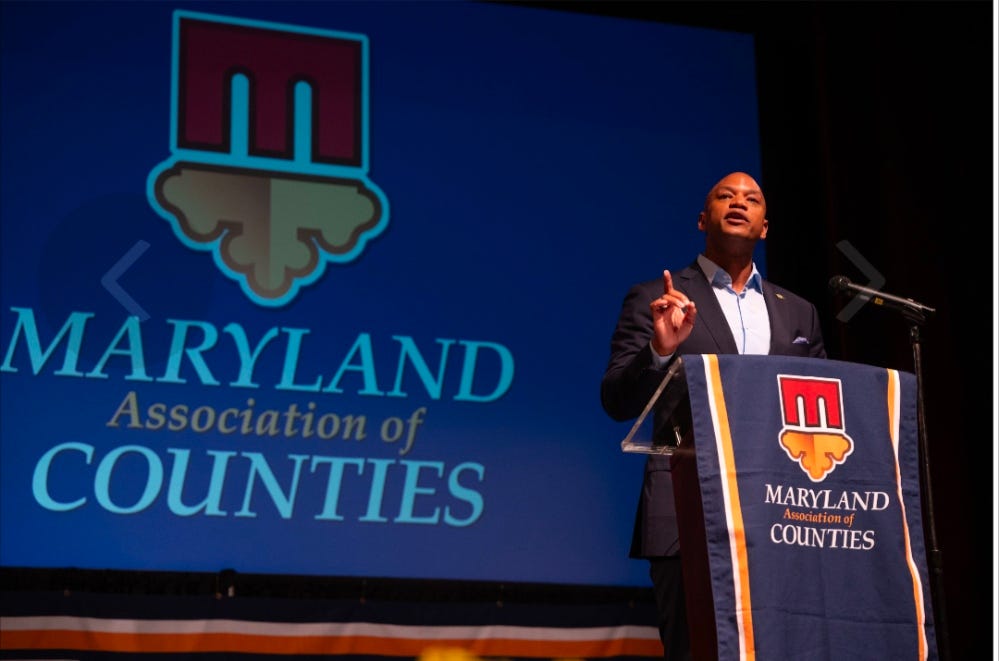
🗣️ What’s Being Discussed at MACo?
The conference theme is“Funding the Future”, and it puts Blueprint funding front and center. Key sessions will explore:
- Equity in implementation: How to ensure poorer counties aren’t penalized
- Revenue innovation: Exploring new local tax instruments or state-level revenue sharing
- Inter-county collaboration: Pooling resources or lobbying for regional funding models
- Legal clarity: Whether counties can challenge or renegotiate aspects of the mandate
💡 Any Bright Ideas on tahe Table?
While no silver bullet has emerged, several innovative proposals are circulating:
1. Education Impact Fees
- Counties could impose fees on new residential developments to offset school infrastructure costs
- Already used in some jurisdictions, but could be expanded or standardized
2. Regional Service Compacts
- Counties form alliances to share administrative costs, special education services, or transportation
- Reduces duplication and leverages economies of scale
3. State-County Revenue Sharing
- Push for a formalized revenue-sharing formula from the state’s surplus or lottery funds
- Would require legislative buy-in but could stabilize county budgets
4. Performance-Based Funding
- Tie some Blueprint funding to measurable outcomes, allowing counties flexibility in how they meet goals
- Encourages innovation while respecting local autonomy
🧭 The Political Undercurrent
With many senior county officials up for reelection in 2026, the Blueprint funding issue is politically radioactive:
- Incumbents must show they’re defending local interests without appearing anti-education
- MACo offers a platform to build consensus and craft a unified message to Annapolis
As one county executive put it:
> “We’re not against the Blueprint. We’re against being asked to fund it without the tools to do so.”