

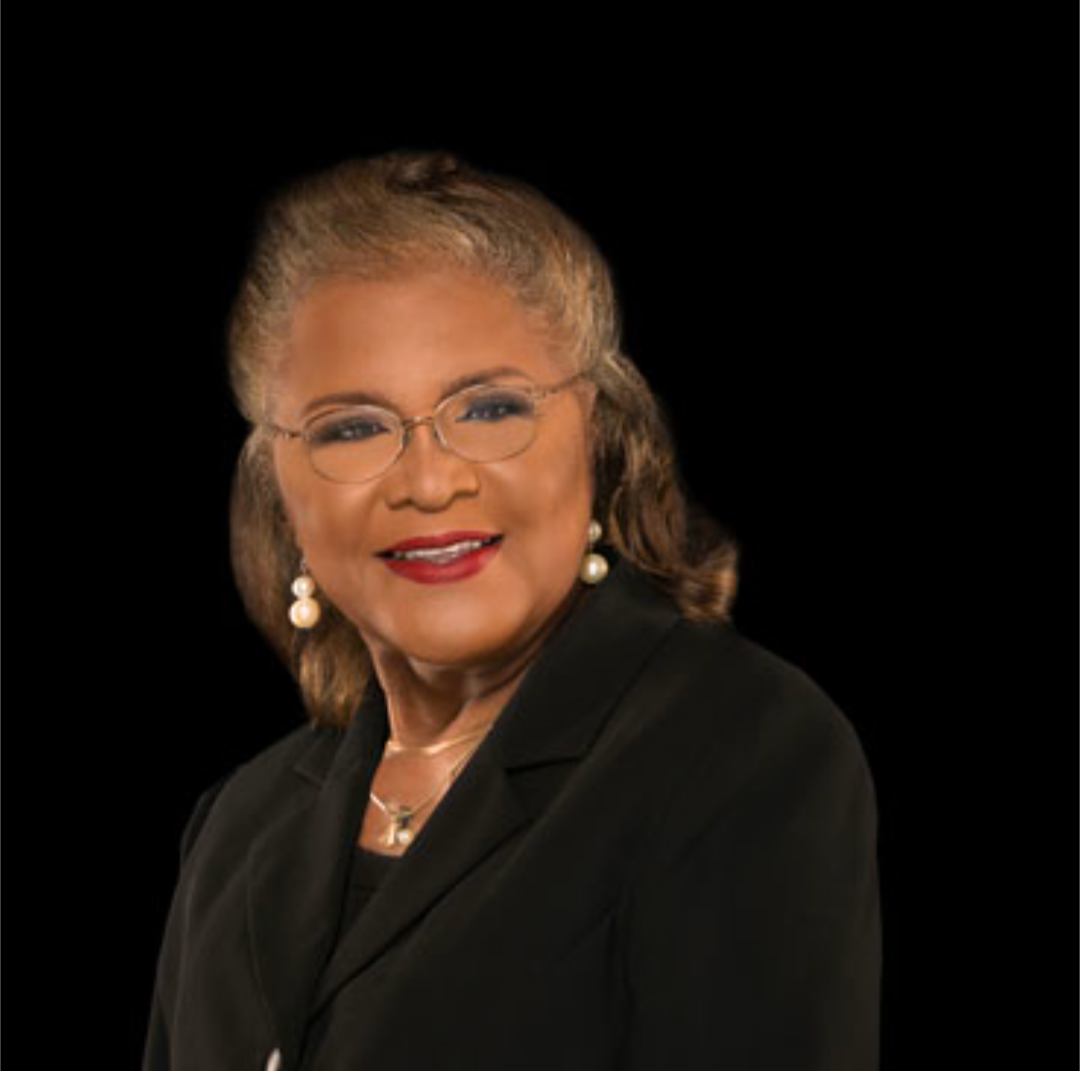
Narrative Explainer: The Benson–Alston Dynamic, and Why the District Is Reacting the Way It Is
For more than three decades, Senator Joanne C. Benson has been one of the most respected and beloved figures in Maryland public life — a woman whose reputation for decency, compassion, and quiet effectiveness has made her something rare in modern politics: a leader who is trusted far beyond the boundaries of her own district.
That trust did not appear overnight. It was earned through years of work that often went unseen by the public but never unnoticed by the people who needed her most. Benson has long been the person Marylanders call when they have nowhere else to turn — especially Black Marylanders living in Republican‑dominated districts where they often feel politically invisible.
Because of her long tenure, her deep community ties, and her reputation for kindness, Benson has become, in effect, the unofficial state senator for Black families scattered across Western Maryland, the Eastern Shore, and parts of Harford County.
She has family roots in Hagerstown. She has relationships in communities far from Prince George’s County. And when a Black resident in a Republican district needs help with a state agency, a licensing issue, a school matter, or a public safety concern, they are far more likely to call Joanne C. Benson’s office than their own senator’s.
That is not a political statement — it is a lived reality for many Marylanders.
And it is why Benson is held in such extraordinary regard.
A Season of Personal Loss and Private Hardship
This year has been devastating for Senator Benson.
Two of her sisters died within days of each other.
Almost immediately afterward, she suffered a severe medical crisis — pneumonia, complications, and a period in which her condition was described as critical.
Despite all of this, Benson has continued to work behind the scenes.
She has not been on the Senate floor. She has not been in hearings. But she has been engaged, informed, and active in the quiet administrative work that keeps a district functioning.
No one in Annapolis — not staff, not colleagues, not leadership — has suggested she has done anything wrong.
Maryland is a part‑time legislature. Members routinely miss time for work, family, or health.
Benson’s situation is not only understandable — it is tragic.
And importantly:
She has not criticized anyone. She has not attacked anyone. She has not engaged in political maneuvering.
She has simply tried to recover while continuing to serve.
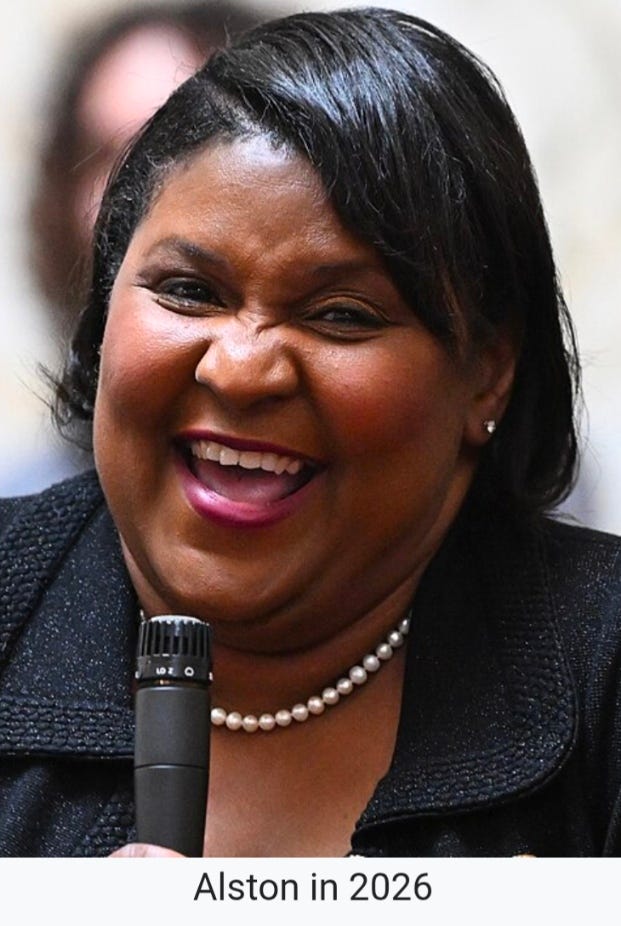
The Spark: Tiffany Alston’s Public Call for Early Resignation
Delegate Tiffany Alston, who is running for Benson’s Senate seat, publicly suggested that Benson should consider stepping down immediately so the Prince George’s County Democratic Central Committee could appoint a replacement before the session ends.
To many observers, this landed poorly.
Not because the question of representation is illegitimate — but because of the timing, the tone, and the context.
Benson was grieving. She was recovering. She had given decades of service. And she had already announced she would not seek re‑election.
For many in the district — especially those who have known Benson for years — Alston’s comments felt abrupt, disrespectful, and politically opportunistic.
Again, not to Benson herself.
There is no evidence she has expressed anger or criticized Alston in any way.
But among Benson’s supporters, staff, and longtime allies, the reaction was swift and unmistakable.
The Backlash Against Alston
Shortly after her comments, Alston began facing criticism for taking two days off from the legislative session to serve as an attorney in a court trial.
Ordinarily, this would not be a story.
Maryland legislators have outside jobs.
They miss days.
It happens every session.
But politics is about context.
And the context here is that Alston had just publicly pressured a revered elder stateswoman who was dealing with profound personal loss.
To Benson’s supporters, the optics were simple:
If you’re going to question someone else’s commitment, you had better be spotless yourself.
Alston’s long‑documented legal troubles — including her 2012 conviction and her disbarment before reinstatement — only intensified the scrutiny.
No one credible is claiming Benson orchestrated this backlash.
But it is clear that people who love and respect Benson felt Alston had overstepped, and they responded accordingly.

Kevin Ford’s Role in the Dynamic
Kevin Ford, the other candidate in the race, has not generated the same reaction.
He is not universally adored in political circles — many see him as brash or self‑promoting — but he has not publicly criticized Benson.
He issued a respectful statement acknowledging her service and her personal hardships.
In a race defined by tone, that mattered.
Why This Story Resonates
This is not just a political dispute.
It is a clash between:
- A deeply loved, long‑serving senator who has spent decades helping people far beyond her district, especially Black Marylanders in Republican areas who had no one else to call.
- A challenger with a complicated past, who made a strategic calculation that many in the community saw as insensitive.
The reaction is not about ideology.
It is about loyalty, respect, and the unwritten rules of Maryland political culture — especially in Prince George’s County, where elders are honored and service is remembered.
Senator Joanne C. Benson has earned that honor.
She has earned that respect.
And for many Marylanders, she will always be the person they call when they need help — whether they live in her district or not.