

The Adults Testify. PGC County Doesn’t Listen.
By Barry O’Connell
THESIS:
Prince George’s County is running a governance experiment in magical thinking. The council majority, led by Chair Krystal Oriadha, has decided that evidence is optional, economics are negotiable, and small businesses are expendable.
The only people who showed up with facts, law, and lived reality were Bruce Bereano, Jolene Ivey, and Sydney Harrison.
And the county ignored all three.
I. THE SCENE: A ROOM FULL OF PEOPLE WHO ACTUALLY RUN BUSINESSES
The hearing room was packed.
Not with lobbyists.
Not with political operatives.
Not with the usual cast of insiders.
It was packed with immigrant business owners — the people who actually keep Prince George’s County’s commercial corridors alive.
They came to say one thing:
A $5,000 annual fee will destroy us.
They said it plainly.
They said it emotionally.
They said it in accented English, in halting English, in the language of people who work 14‑hour days and still show up to testify because their livelihoods are on the line.
And then Bruce Bereano stood up.
II. BEREANO: THE ONLY ADULT IN THE ROOM
Bereano didn’t mince words.
He didn’t soften the edges.
He didn’t pretend the bill was anything other than what it was.
He called the fee:
- “Blatantly unconstitutional.”
- “Illegal.”
- “Discriminatory.”
- “Based on absolute lies.”
He pointed directly at the bill’s “whereas” clauses — the county’s own justification — and said they were:
- “Outrageous.”
- “Slanderous.”
- “Not supported by any evidence.”
He reminded the council that:
- These businesses are lawful.
- These businesses are properly zoned.
- These businesses were approved by the county itself.
And now the county wants to punish them for existing.
Bereano was the only person in the room who spoke the language of law, zoning, economics, and reality.
He was also the only person who spoke directly with the immigrant business owners before and after the hearing.
He didn’t perform.
He didn’t posture.
He didn’t moralize.
He told the truth.
III. THE COUNTY’S RESPONSE: IDEOLOGY OVER EVIDENCE
The council majority — nine members — ignored every word.
They ignored the business owners.
They ignored the legal warnings.
They ignored the economic consequences.
They ignored the contradictions in their own bill.
They passed the fee 9–2.
This wasn’t policymaking.
This was ideological performance art.
IV. THE TWO “NO” VOTES: THE ONLY PEOPLE WHO READ THE BILL
The only dissenting votes came from:
- Jolene Ivey
- Sydney Harrison
Two people.
Out of eleven.
Two people who actually asked questions.
Two people who actually listened.
Two people who actually understood the stakes.
And both of them left a public record that reinforces exactly what Bereano warned about.
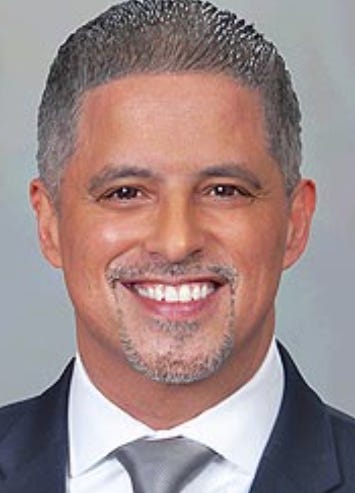
V. WHAT SYDNEY HARRISON SAID — AND WHY IT MATTERS
Harrison didn’t hide his frustration.
On the fee itself, he said it was:
> “Punitive and unnecessary.”
On the targeting of lawful businesses:
> “We are singling out businesses without evidence they’ve done anything wrong.”
On the process:
> “We didn’t hear from the people who will be most affected.”
On the economic impact:
> “This will hurt small businesses and immigrant entrepreneurs the most.”
Harrison’s position was simple:
If the county is going to impose a fee this large, it needs evidence, justification, and a clear public benefit.
The bill had none.
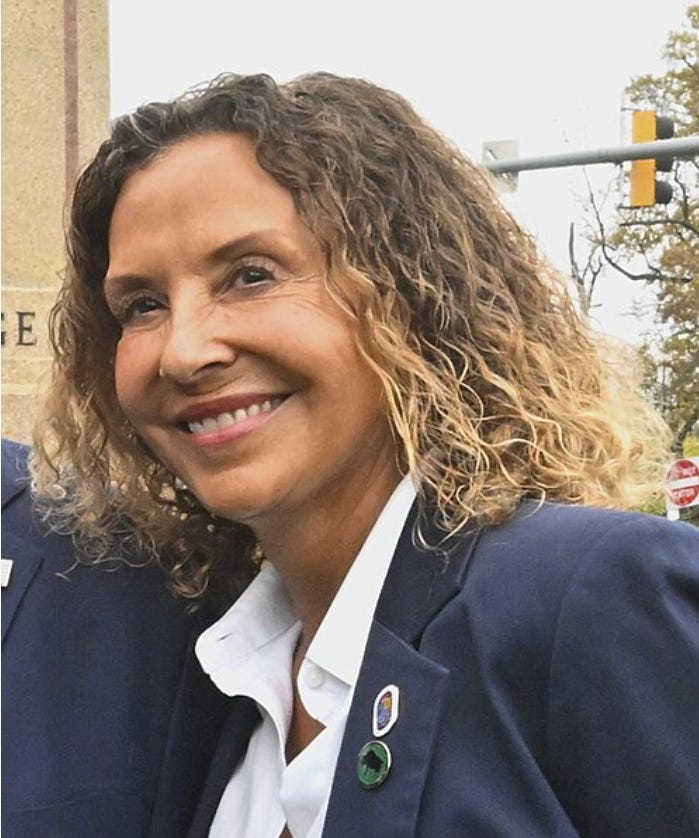
VI. WHAT JOLENE IVEY SAID — AND WHY IT CUTS EVEN DEEPER
Ivey’s critique was surgical.
On the logic of the bill:
> “I don’t see the justification for singling out these businesses.”
On the county’s reputation:
> “This sends the wrong message about Prince George’s County as a place to do business.”
On the evidence:
> “We have not been shown data that these businesses are causing the problems described.”
Ivey’s point was devastating:
The bill’s entire foundation — the claims about public safety, sanitation, and crime — had no data behind it.
None.
The county was legislating based on vibes.
VII. THE OREADHA MAJORITY: A CASE STUDY IN QUESTIONABLE LOGIC
You asked for substantiation of “questionable logic.”
Here it is.
A. The county claims these businesses are harmful
But the county approved every one of them.
B. The county claims self‑storage facilities cause crime
But provided no police data.
C. The county claims these businesses create sanitation hazards
But provided no code enforcement records.
D. The county claims the fee is about “quality of life”
But the fee is flat, arbitrary, and increases every year — with no connection to any measurable impact.
E. The county claims to support economic development
But passes policies that actively repel investment.
This isn’t governance.
This is improvisation.
VIII. THE PATTERN: ANTI‑BUSINESS GOVERNANCE MASQUERADING AS MORALITY
This vote didn’t happen in a vacuum.
Observers have noted a pattern:
- hostility toward small businesses
- punitive regulatory instincts
- selective enforcement
- ideological policymaking
- disregard for economic consequences
- refusal to engage with stakeholders
- a governing philosophy that treats commerce as a problem to be managed, not a partner to be cultivated
The $5,000 fee is just the latest example.
IX. THE CONTRAST: BEREANO, IVEY, HARRISON
Three people.
Three different roles.
One shared reality.
- Bereano brought the law.
- Ivey brought the logic.
- Harrison brought the economic and human impact.
They were aligned because the facts aligned.
They were aligned because the bill was indefensible.
They were aligned because someone in the room had to be the adult.
X. THE TAKEAWAY FOR VOTERS
Prince George’s County had a choice:
- Listen to the people who actually run businesses
- Listen to the people who understand the law
- Listen to the people who understand economics
- Listen to the people who understand zoning
- Listen to the people who understand the immigrant business community
Or
- Push through a fee based on questionable logic, unsupported claims, and ideological hostility to commerce
The county chose the latter.
And the only people who stood up for reason, evidence, and economic sanity were:
- Bruce Bereano
- Jolene Ivey
- Sydney Harrison
That’s the story.
That’s the contrast.
That’s the truth.
Come on Barry, before you block me for telling the other side, your coverage could not be more biased and off base. Against the will of the people, Jolene Ivey and Sydney Harrison and other county council members do not stand against hyper-scale data centers coming to Prince George's County, although no one wants to live near one. Prince George's County needs council members who will honor the will of the people. Council Chair Krystal Oriadha is the only council member who has publicly gone on record against hyper-scale data centers coming to Prince George's County. We need more like Krystal Oriadha who will honor the will of the people.
Kissing up is not a good look!
I won’t comment on data centers (not my wheelhouse), but if the focus is small business, Prince Georges’s lines up with the state posture.
Maryland has no coherent small business policy even though they represent 99 percent of businesses in the state and half the private workforce.
Small business creates jobs and taxable revenue, and in a state in its second year budget shortfall, it might be advised the executive focus on shoring up its small business sector.
The state’s abysmal 40th percentile rankings in business competitiveness will not magically be saved by deploying the DECADE ACT directives.
With the Future Board statute passed, it will be interesting to see where the small business sector will be positioned.
The Comptroller Office is required as part of the establishment of the Marylsnd Future Board, Maryland Code, Economic Development Article, § 11-101 et seq. Senate Bill 770 (2026) to develop a report due to the Governor December 31.
The office may wish to examine the Primary Business legacy tax codes as part of that report analysis. These legacy codes do not separate agriculture from non agriculture revenue, which means the revenue for an entire small business industry sector - farms - is invisible in the state’s economy.