

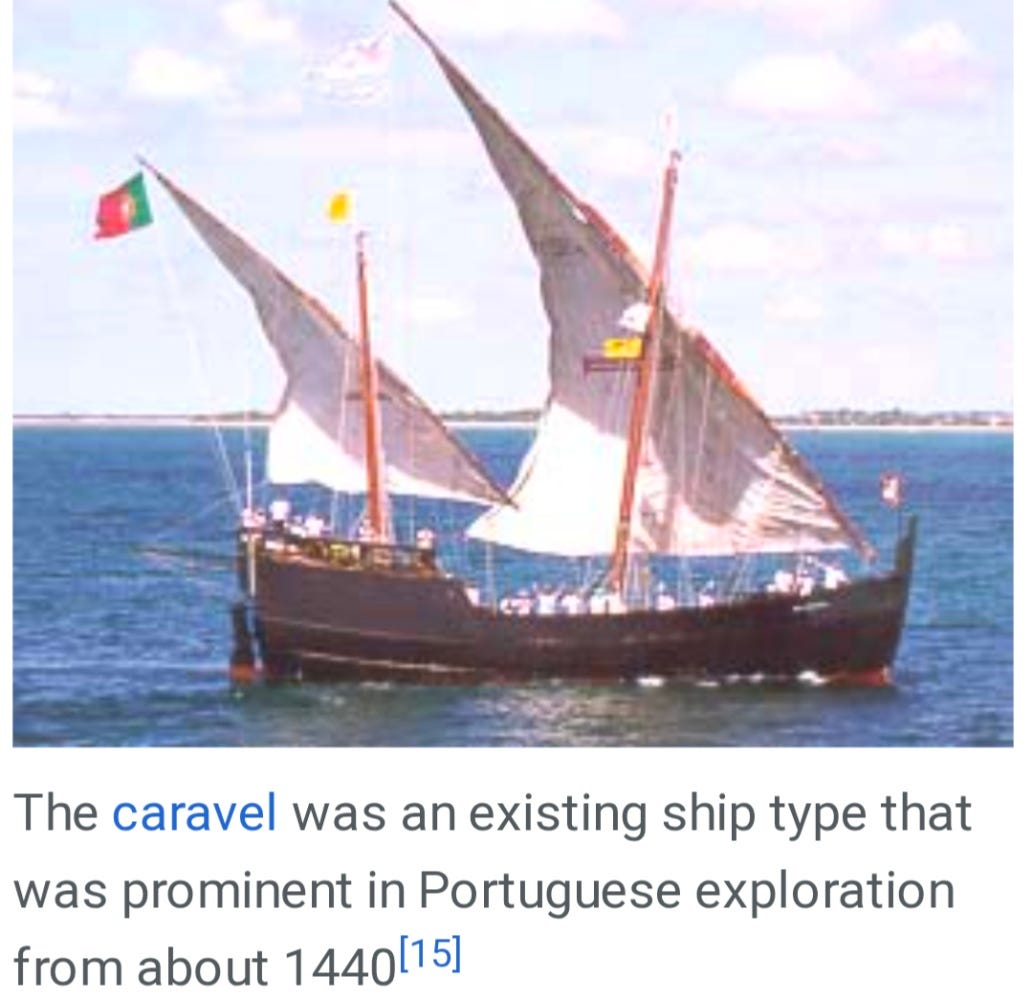
I. The Rise of Sweetness in Europe
Before the 14th century, sweetness in Europe was a rare and precious thing. Honey was the primary sweetener, and even that was reserved for the wealthy or the ecclesiastical. Carrots, parsnips, and beets—vegetables with natural sugars—were used in desserts like carrot pudding, a dish that still whispers of medieval frugality.
But then came cane sugar.
Imported first as a spice, sugar was locked in apothecary jars and treated like saffron or pepper. By the 15th century, it had become a status symbol, a marker of wealth and refinement. The craving for sweetness outpaced the supply, and Europe turned its eyes southward.
II. Portugal’s Tropical Gamble
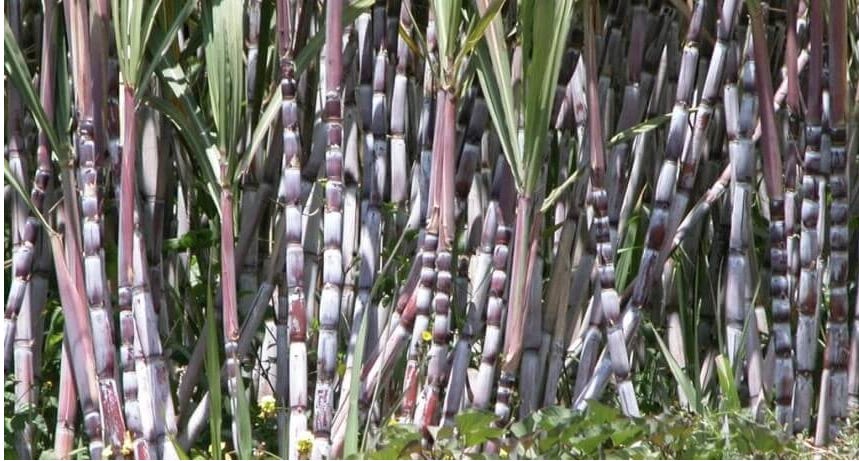
Sugarcane is a tropical plant. It demands heat, water, and backbreaking labor. Portugal, ever the maritime opportunist, colonized islands like Madeira, São Tomé, and Principe. Volcanic specks in the Atlantic with fertile soil and brutal climates.
The plantation system was born here. Genoese bankers financed it. Sicilian technicians refined it. And African slaves powered it.
By the mid-15th century, Portugal had established a model: monoculture, slave labor, and export wealth. The mortality rate was staggering. The work was lethal. Anyone who could survive four years in the cane fields was profitable. But the profits were divine.
Lagos and the Turning Point
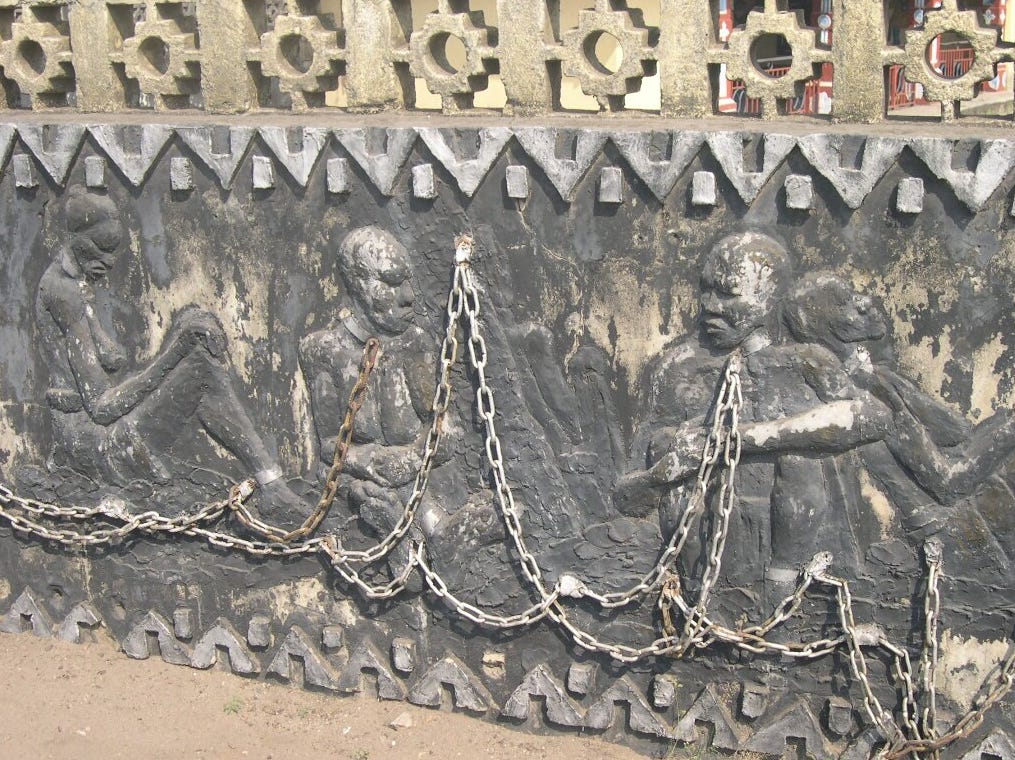
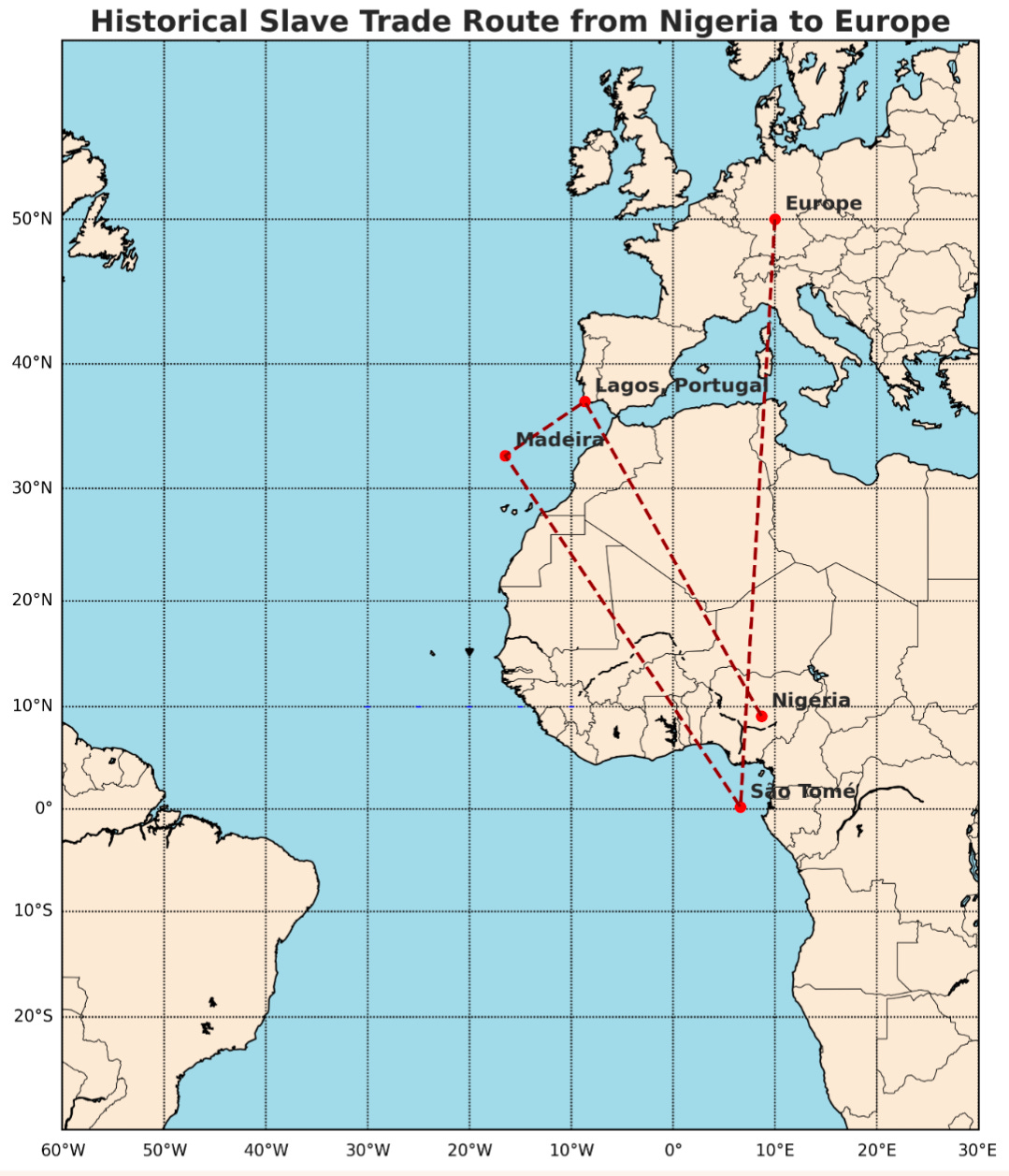
Around 1444, a Portuguese ship docked in Lagos, not Nigeria, but Lagos, Portugal, and unloaded its first cargo of enslaved Africans. But the connection to present-day Nigeria was already forming.
Portuguese explorers had reached the Niger Delta by 1471, and emissaries were sent to the Oba of Benin. They discovered a region already steeped in religious warfare, driven in part by the spread of Islam.
Islam, like Christianity, had its own imperial logic. In Northern Nigeria, the Sokoto Caliphate emerged as a powerful Islamic state, founded by Usman dan Fodio in 1804. But its roots go deeper—into centuries of jihad, conversion, and slavery.
Islamic law permitted slavery under certain conditions. Those who resisted conversion were often enslaved. Slaves were traded northward into Mali, across the Sahara, and into the markets of Egypt, Turkey, and North Africa.
IV. The Westward Shift
Once the Portuguese arrived, the slave routes shifted. No longer did captives march north into Mali. They were marched west—to the coast. To waiting ships. To the Americas.
The Mali Empire, once the richest in the world thanks to gold and slaves, faded into history. But its legacy lived on in the bodies and labor of those sold into transatlantic bondage.
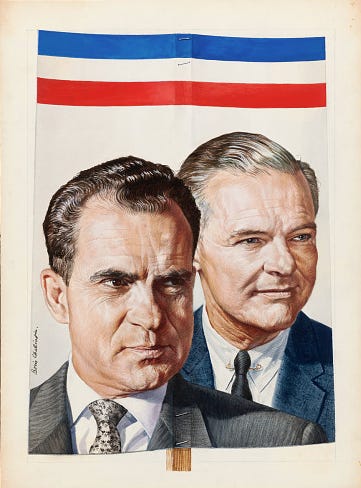
V. The Clipper Ship Families and American Wealth
From New England to Charleston, families built fortunes on rum, sugar, opium, and slaves. The Cabots. The Lodges. The Lowells. These were not just merchants—they were architects of empire. Henry Cabot Lodge’s family fortune came down from slavery and opium. He was Richard Nixon’s running mate in 1960. Pcture above.
Even the United States, late to the game, joined the trade. Slavery became the engine of Southern wealth. And when the British outlawed the transatlantic slave trade in 1807, they began intercepting ships, freeing captives, and resettling them in Liberia.
VI. The Economics of Reproduction
With importation banned, American slaveholders turned to forced reproduction. Every enslaved woman became a profit center. Her children were born into bondage, regardless of the father’s race or status.
Sex was no longer just a tool of domination—it was a business model. Slave masters and their sons routinely raped enslaved women to increase their holdings. The law was clear: the child follows the condition of the mother. The mother had no right to refuse her master.
VII. The Civil War and the Next Chapter
Then came Lincoln. Emancipation. Reconstruction. And a new kind of struggle.
But the sugar remained. The wealth remained. And the legacy of slavery—its economics, its violence, its intimacy—remains embedded in the soil of the Americas.
Footnotes
1. History of Sugar – Aronson Antiquairs
2. Life on a Colonial Sugar Plantation – World History Encyclopedia
3. The Bitter Truth About Sugar – TIME
4. Slavery in Nigeria – Wikipedia
5. The Sokoto Caliphate – History Rise
6. Slave Market Museum – Portugal Visitor
7. Slavery in Mali – Wikipedia
8. Mali and the Gold Trade – Jay College
9. A Brief History of Sugar – Tastes of History