

Southeast County Chatter: Rumors, Resentments, and the Strange New Shape of Power
Political weather in Prince George’s County changes fast, but every now and then you get a gust strong enough that people across the county feel it. Over the past few weeks, conversations coming out of the southeast end of the county have taken on a sharper tone—part frustration, part disbelief, part “are we really doing this again.”
None of it is confirmed. All of it is opinion. But it’s the kind of opinion that tells you where people’s heads are.
The Farming Community Is Done Being Polite
One recurring theme: the Black farming community is furious.
Not irritated. Not grumbling. Furious.
The Tiffany Haddish episode—celebrity courting while local Black farm cooperatives can’t get a meeting—has become a symbol of something deeper. Farmers say they’ve been trying for months to get traction on Black‑owned farmers markets and countywide delivery programs. They say they can’t get a meeting with the State’s Attorney or the County Executive’s office. And they see that as a slap in the face.
Meanwhile, Latino and white farmers reportedly feel they’ve been frozen out entirely. The phrase “we’ve given up” came up more than once.
Again—this is chatter. But it’s loud chatter.
At‑Large Seats: The Lawyers Are Moving Faster Than Expected
Another rumor circulating: the bill to eliminate at‑large council seats—filed by Del. Tom Dernoga—may be implemented faster than the usual four‑year cycle. Some legal minds reportedly believe a two‑year transition is possible, meaning anyone elected this cycle could serve only half a term.
People are reading that as a sign that the political establishment is preparing for a reshuffling of power. And yes, some believe certain incumbents are being quietly sacrificed to protect others.
No one is saying it out loud, but the implication is clear enough.
The Ivey Question: Why Treat the Calmest Person in the Room This Badly
One of the more emotional threads in the chatter concerns Council Member Jolene Ivey. Multiple people have brought up the Mother’s Day snub last year—every mother on the council recognized except her. It’s the kind of petty gesture that sticks in people’s minds.
What’s striking is how many people describe Ivey the same way: calm, steady, unbothered, and almost impossibly gracious. The contrast between her demeanor and the way she’s been treated is fueling a sense that something deeper is going on.
Whether that’s political fear, personal resentment, or just bad judgment depends on who you ask.
The $5,000 Fee Bill: Everyone Knew It Was Going to Court
Another point of consensus: the controversial $5,000 fee bill was always headed for an injunction. People in the legal and political world reportedly expect it to be blocked within days of signature. The working theory is that it was an election‑year stunt, not a serious policy.
That’s not analysis—that’s what people are saying.
Progressive Maryland: A “Progressive” Group That’s Acting Like a Political Machine aligned with criminals.
Here’s where the chatter gets especially pointed.
Several activists claim that Progressive Maryland’s endorsement process came with two conditions this year:
1. Don’t criticize data centers
2. Don’t criticize the County Executive or mention corruption
If true, that’s not a progressive platform—it’s a political machine enforcing message discipline.
Some candidates reportedly refused to play along. Others didn’t apply at all. And there’s talk that the Working Families Party agreed to mirror the same endorsements, creating a unified front that looks less like grassroots activism and more like coordinated gatekeeping.
Teachers are angry too. The Apple Ballot reportedly bypassed rank‑and‑file educators entirely, with leadership selecting candidates based on loyalty to county leadership.
Again—this is rumor. But it’s rumor coming from people who usually don’t talk this bluntly.
Data Centers: The Moratorium That Might Not Mean Much
Word is the data center moratorium has been extended to June 30. But the expectation among activists is bleak: once the election is over, the bulldozers roll. People feel the outcome is predetermined.
Whether that’s true or not, the perception is powerful.
District Races: A Lot of Smoke, Maybe Some Fire
Without naming names or districts, here’s the general shape of what people are whispering:
- One candidate is suddenly flush with support after a key endorsement
- Another accepted money from utilities and pro‑development unions, raising eyebrows
- A third is running a volunteer army and hitting public financing thresholds
- A fourth is rumored to be the preferred pick of county leadership
It’s messy, it’s fluid, and it’s exactly the kind of environment where rumor becomes currency.
Meanwhile, in another district, a candidate is reportedly facing backlash for being too close to the incumbent, while opponents try to revive old racialized narratives about “White puppeteers.” That’s the kind of politics people claim to hate but keep returning to.
What It All Adds Up To
If you step back from the individual stories, a pattern emerges:
- Communities feel unheard
- Activists feel managed
- Candidates feel pressured
- Farmers feel abandoned
- And the political class seems convinced it can choreograph the entire election cycle
Whether these rumors are accurate or exaggerated, they reveal something real: people across the county feel like decisions are being made in back rooms, not public forums.
And when enough people feel that way, rumor becomes a form of resistance.
Not truth. Not fact. But a signal that something in the system isn’t working the way people expect it to.
Sometimes, that’s worth listening to.
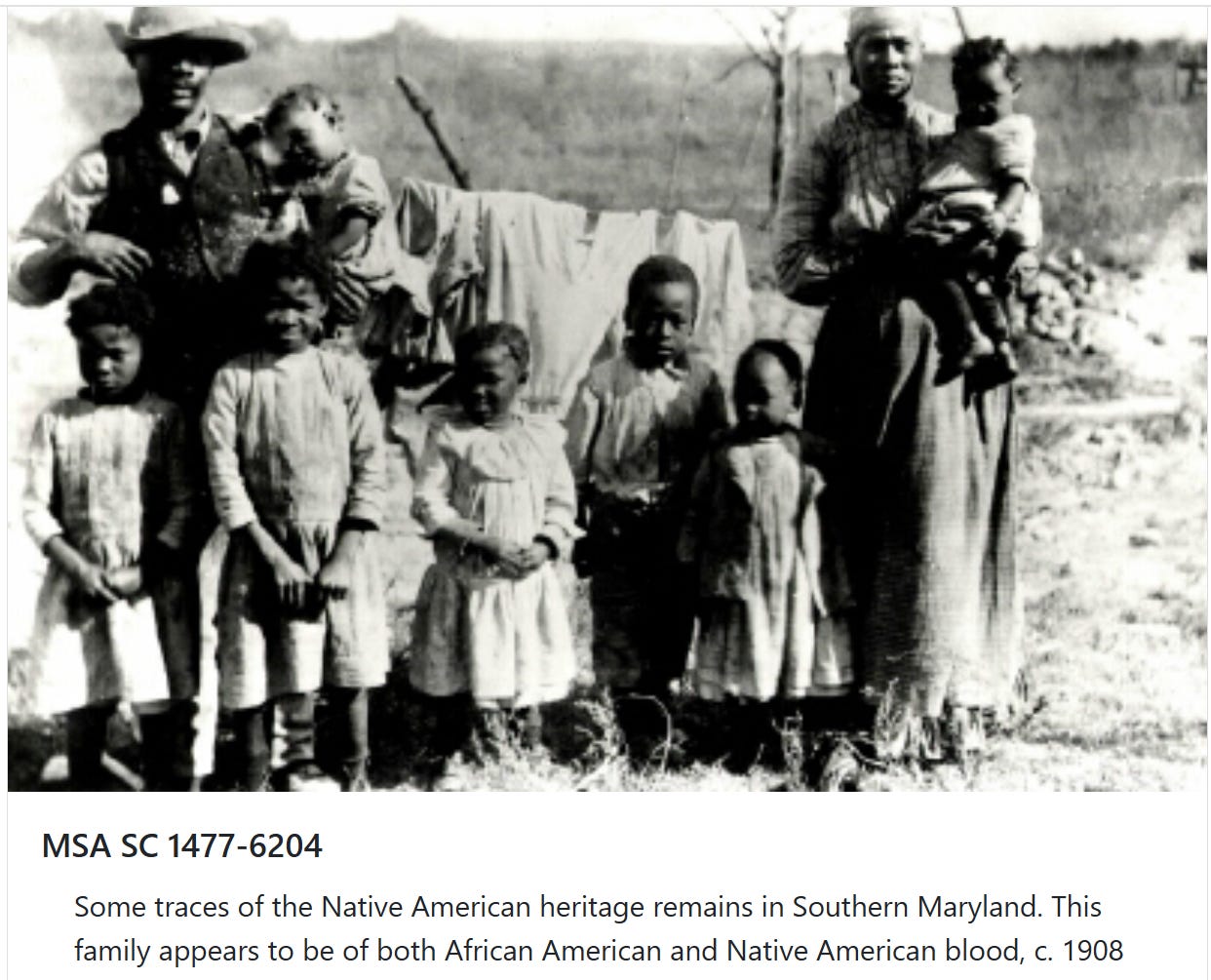
Dude why do you have a picture of Southern sharecroppers? That's not what this article is about and This is not what black Farmers look like today.
Did you publish another feature on the farmer aspect?
What are the issues? Is this in context of data centers and land threat? There was reference to farm market traction so I don’t understand the specific issues. Can you enlighten me?
As for farmers giving up? This is not a Prince George’s County issue.
The state of Maryland neither values small business nor its small and mid sized farms. Period.
To its detriment and is political and economic suicide: small businesses are job creators, represent 99 percent of enterprise and half the private workforce.
And in a state with persistent billion dollar budget shortfalls? Huh?
• The state lost its farm market association in 2020 in COVID with no replacement
• The Office of Tourism Development and the Commerce Department official position: agritourism is a “niche” industry
• The Comptroller Office stated in writing August 2025 they do not measure any on-farm sales related to visitor spending. What is not measured is invisible. What is invisible is neither funded nor promoted.
• Prince George’s is in slightly better position due to hotel infrastructure which is rewarded under the Tourism Promotion Act 2008 grant formula allocation which is weighted to hotel night stays. If it’s not a hotel stay in Maryland? It’s not counted as tourism revenue.
• A six month research project just concluded, established that the state literally has no interoperable shared data framework for multi revenue channel distributed enterprises such as farms which may have a revenue stack across multiple channels: production, wholesale, value added manufacturing, ticketed event sales, retail
• 23 county DMOs do not market shared assets like farms and wineries across county borders. Visitors do not care about “counties” - they make travel decisions based on interests - not “counties” - the state features a named wine trail system which is not promoted or activated with coordinated marketing and events based on-farm - not a one day wine festival held off farm
The Commerce Department Rural Strategy Director should be reminded to check their email inbox.