

The Best and the Brightest in Maryland Government, Volume II
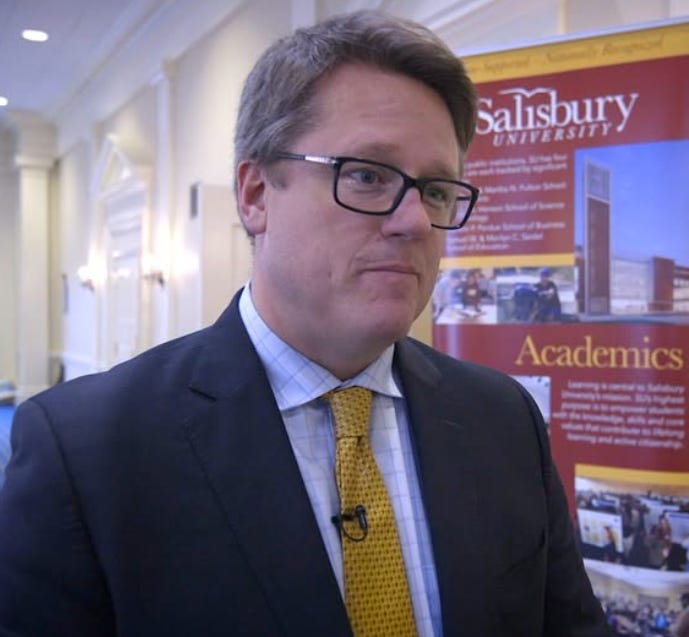
Professor Len Foxwell’s Five
In Volume I of this series, we set a benchmark: officials like Courtney Finklea Green and Jake Day, whose work is measurable, visible, and transformative. For Volume II, we turn to someone who knows Maryland’s machinery from the inside out: Professor Len Foxwell of Johns Hopkins University, and is the principle of Tred Avon Strategies who spent 14 years as deputy comptroller, seeing the entire state apparatus from the Board of Public Works to the smallest special fund. When Foxwell singles out public servants as “the best of the best,” it’s worth listening.
His list is not about Twitter followers or media hits. It is about the people who keep the state running, steer huge portfolios of money and regulation, and make sure voters, taxpayers, and citizens actually experience good government. His five: Manny Welsh in the Governor’s Office, Agriculture Secretary Kevin Atticks, Motor Vehicle Administrator Chrissy Nizer, Alcohol, Tobacco and Cannabis Commission leaders Jeff Kelly and Tom Akras, and Appointments Secretary Mollie Byron.
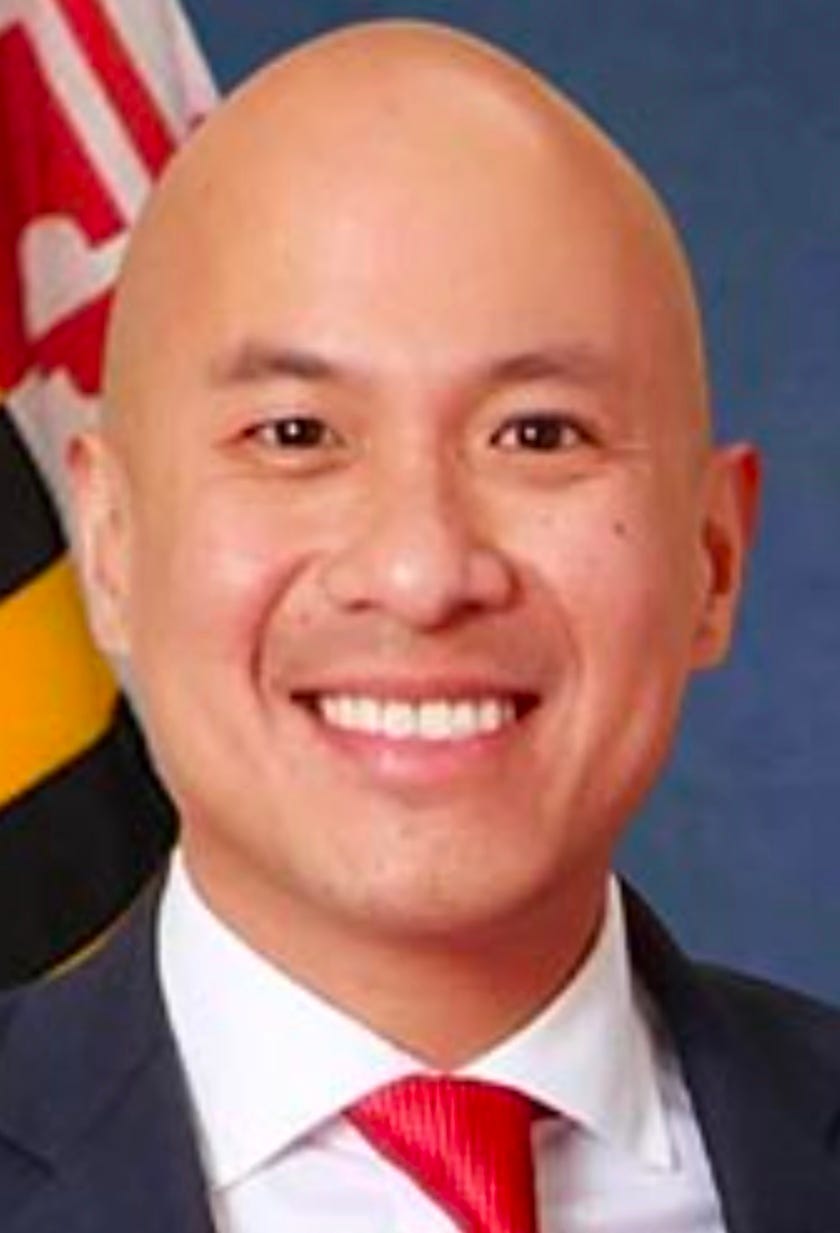
1. Manny Welsh – The Quiet Chief Operating Officer
Every governor needs a political consigliere. But the ones who actually succeed over four or eight years also have a chief operating officer: someone who understands that policy, budgets, procurement, personnel, and oversight are all part of the same machine. That’s where Manny Welsh comes in.
Welsh has emerged as one of the central adults in the room in the Moore administration, serving first as Deputy Chief of Staff and now as Principal Deputy Chief of Staff and Chief Administrative Officer. In that role, he sits at the junction of the cabinet, the budget, and the Board of Public Works. He is the person charged with making sure agencies are not just announcing initiatives but actually implementing them on time, within budget, and within the law. He’s also the one who has to balance big‑picture priorities—economic development, tax reform, public safety, climate—with the day‑to‑day realities of procurement timelines, staffing shortages, and federal strings attached.
What impresses veteran observers is not just Welsh’s title, but his track record. Before joining Moore, he spent years in senior roles under Comptroller Peter Franchot, including as chief of staff, where he learned how to read a balance sheet, a bond schedule, and a political room, often in the same afternoon. That mix of technical and political literacy is rare. It is why people like Foxwell talk about Welsh in almost institutional terms: as someone who, if he does his job right, will never be a household name—but will be one of the main reasons Maryland government avoids disaster and quietly delivers.
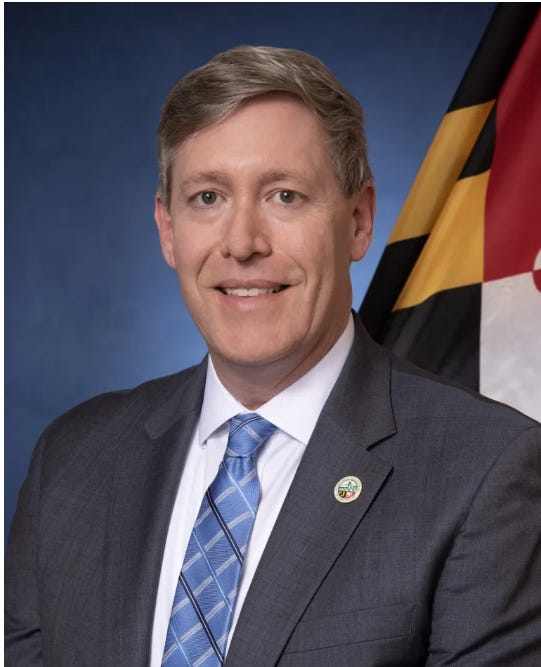
2. Kevin Atticks – Making Agriculture Modern and Visible
Agriculture is still Maryland’s largest commercial industry, yet it often feels invisible in Annapolis debates dominated by Baltimore crime, suburban schools, and Washington’s shadow. Agriculture Secretary Kevin Atticks has spent his career insisting that farmers, watermen, and rural communities are not an afterthought—they are central to the state’s economy and identity.
Atticks came into government with deep roots in Maryland’s value‑added agricultural world, including leadership in the state’s wine and craft beverage sectors. That background matters, because it means he understands both the production side and the branding side of agriculture. In office, he has pushed an agenda that treats farmers as small‑business owners and innovators, not relics. That includes support for regenerative agriculture, soil health, and Chesapeake Bay–friendly practices, as well as a focus on helping producers reach new markets, from institutional buyers to tourism‑driven retail.
What sets Atticks apart is his ability to translate environmental obligations into practical opportunities. The Chesapeake Bay cleanup, climate mandates, and changing consumer tastes could have been framed as threats to farmers. Instead, Atticks has worked to align incentives so that conservation practices come with revenue streams and technical assistance, not just lectures from Annapolis. The result is a department that more farmers feel they can work with—even when they don’t agree on every regulation.
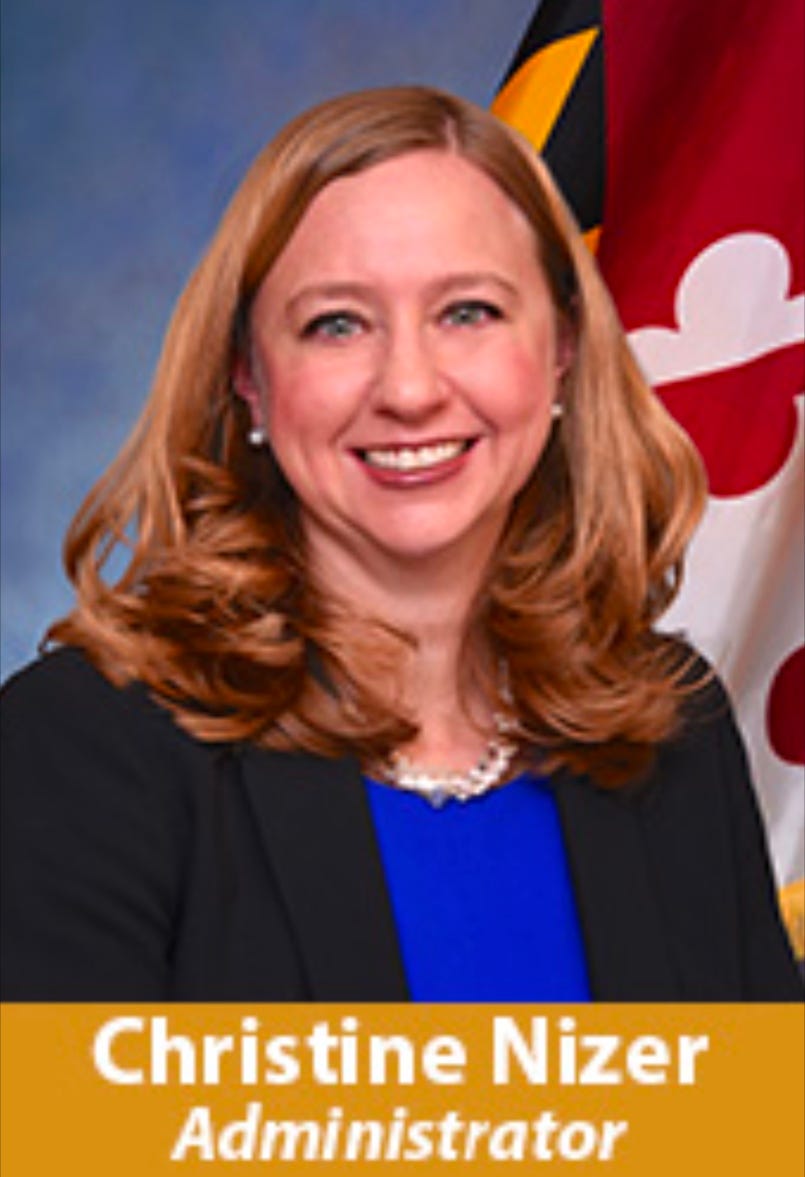
3. Chrissy Nizer – The MVA as a Functioning Front Door
If you want to know whether a state is competent, ask people about their motor vehicle administration. For most residents, MVA is the single most tangible point of contact with government. Long lines, broken websites, and arbitrary rules become “Annapolis” in their minds just as surely as any bill signing. That’s why Motor Vehicle Administrator Chrissy Nizer belongs on any serious list of Maryland’s best.
Under Nizer’s leadership, MVA has been one of the quiet success stories of state government. She has overseen the continued expansion of online and self‑service options, smarter appointment systems, and better customer‑flow design inside branches, all of which have driven wait times down and satisfaction up. She has also had to manage high‑stakes projects such as REAL ID compliance, the integration of new security standards, and modernization of legacy IT systems that underpin licensing, registration, and enforcement.
Nizer’s strength is her combination of operational focus and public‑facing accountability. She knows that your experience at the counter is as important as any legislative victory. In a state where people are ready to assume the worst about government, she has built a frontline agency that often surprises residents in a good way. That alone is an achievement worth recognizing.


4. Jeff Kelly and Tom Akras – Steering the Alcohol, Tobacco, and Cannabis Commission
Maryland’s Alcohol, Tobacco and Cannabis Commission (ATCC) sits at the intersection of public health, law enforcement, small business, and social equity. It is an agency that can easily become a lightning rod, especially as the state navigates the legalization and regulation of adult‑use cannabis. Jeff Kelly and Tom Akras have been central to making ATCC something more than a political football.
Kelly and Akras bring regulatory expertise and a practical appreciation for how rules land on the ground. They have had to stand up complex new licensing frameworks, enforcement protocols, and equity‑focused initiatives in an environment where expectations are sky‑high and patience is short. They deal daily with legacy alcohol retailers worried about unfair competition, new cannabis entrepreneurs navigating an intimidating application process, and communities demanding that promises on equity and reinvestment be kept.
What makes their work “best and brightest” material is not that they please everyone—no regulator in this space ever will—but that they have kept the focus on consistent rules, predictable processes, and transparency. In a sector where confusion and delay can be fatal to small businesses, that stability matters. The fact that veterans like Foxwell single them out suggests they are getting the hard things mostly right.
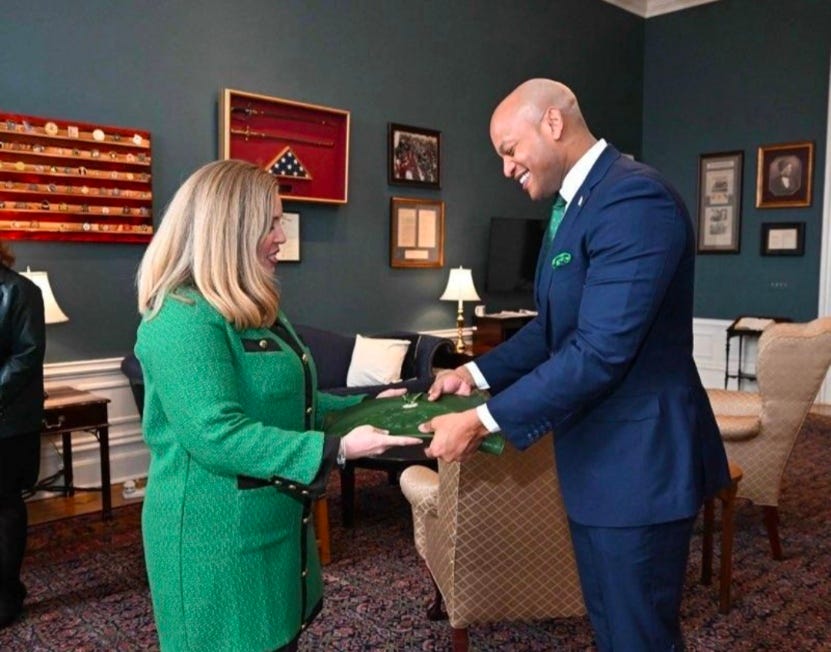
5. Mollie Byron – The Power of Good Appointments
Most voters never think about the Governor’s Appointments Office. They should. Commissions, boards, and authorities touch everything from utility rates to environmental enforcement, from higher‑education governance to local land‑use decisions. Appointments Secretary Mollie Byron is the gatekeeper and matchmaker for this vast, often overlooked universe.
Byron’s value lies in her ability to marry political judgment with institutional needs. A good appointments secretary must understand which roles demand technical expertise, which require community credibility, and which are lightning rods where temperament matters as much as résumé. She must balance diversity, geography, and ideology while ensuring that the people who actually show up in the room can do the job. Get it wrong, and you end up with dysfunctional boards and endless headaches. Get it right, and you unlock a quiet army of competent citizens who make government work better.
In an era when trust in institutions is fragile, Byron’s portfolio is one of the most leveraged in state government. By putting the right people in the right chairs, she helps ensure that Maryland’s sprawling network of quasi‑independent bodies behaves like an asset rather than a liability.
These five—the Welsh‑Atticks‑Nizer‑Kelly/Akras‑Byron cohort—are not where household names. They are, however, exactly the sort of people Professor Foxwell has watched for decades: professionals who take their craft seriously, keep their heads down, and leave Maryland a little better than they found it. For a series dedicated to the best and the brightest in state government, there’s no better place to look.
Citations:
[1] Manny Welsh - Office of Governor Wes Moore | LinkedIn https://www.linkedin.com/in/emwelsh
[2] [PDF] Budget Highlights Fiscal Year 2026 - DBM https://dbm.maryland.gov/budget/Documents/operbudget/2026/proposed/FY2026MarylandStateBudgetHighlights.pdf
[3] Governor Moore Appoints Manny Welsh as Principal Deputy Chief of ... https://governor.maryland.gov/news/press/pages/governor-moore-appoints-manny-welsh-as-principal-deputy-chief-of-staff-and-chief-administrative-officer.aspx
[4] Manny Welsh: The Quiet Force Powering Maryland Government https://www.facebook.com/groups/1434756060075833/posts/3998854576999289/
[5] Manny Welsh, Deputy Chief of Staff, Maryland Governor’s Office https://msa.maryland.gov/msa/mdmanual/08conoff/gov/staff/html/msa18564.html
[6] EMMANUEL M. WELSH - Maryland Daily Record https://thedailyrecord.com/2021/09/17/emmanuel-m-welsh/
[7] Lester Davis speaks on first 100 days as chief of staff for Gov. Wes ... https://www.facebook.com/AfroAmericanNews/posts/lester-davis-speaks-on-first-100-days-as-chief-of-staff-for-gov-wes-mooreby-mega/1302066658629335/