🗳️Path to the White House: Why 2025’s Elections Point to the Center, Not the Fringe
By Barry O’Connell | Maryland Wire


As ballots are counted in New York City, New Jersey, and Virginia, pundits will rush to declare ideological mandates. Some will point to Zohran Mamdani’s likely win in New York City and insist that America is ready for a hard-left turn. They’ll say it’s time to embrace Alexandria Ocasio-Cortez and nominate her for president. They’ll be wrong.
The real lesson of Election Day 2025 is this: America wants a gentler path to the White House—one rooted in realism, empathy, and centrist values. The Democratic Party must resist the temptation to chase ideological purity and instead embrace the broad middle that still defines this country.
🗽 New York City: A Local Win, Not a National Blueprint
Zohran Mamdani’s rise is dramatic, but it’s not a national bellwether. His democratic socialist platform—city-run grocery stores, rent control expansion, and wealth redistribution—reflects New York’s unique political ecosystem, not the mood of Middle America.
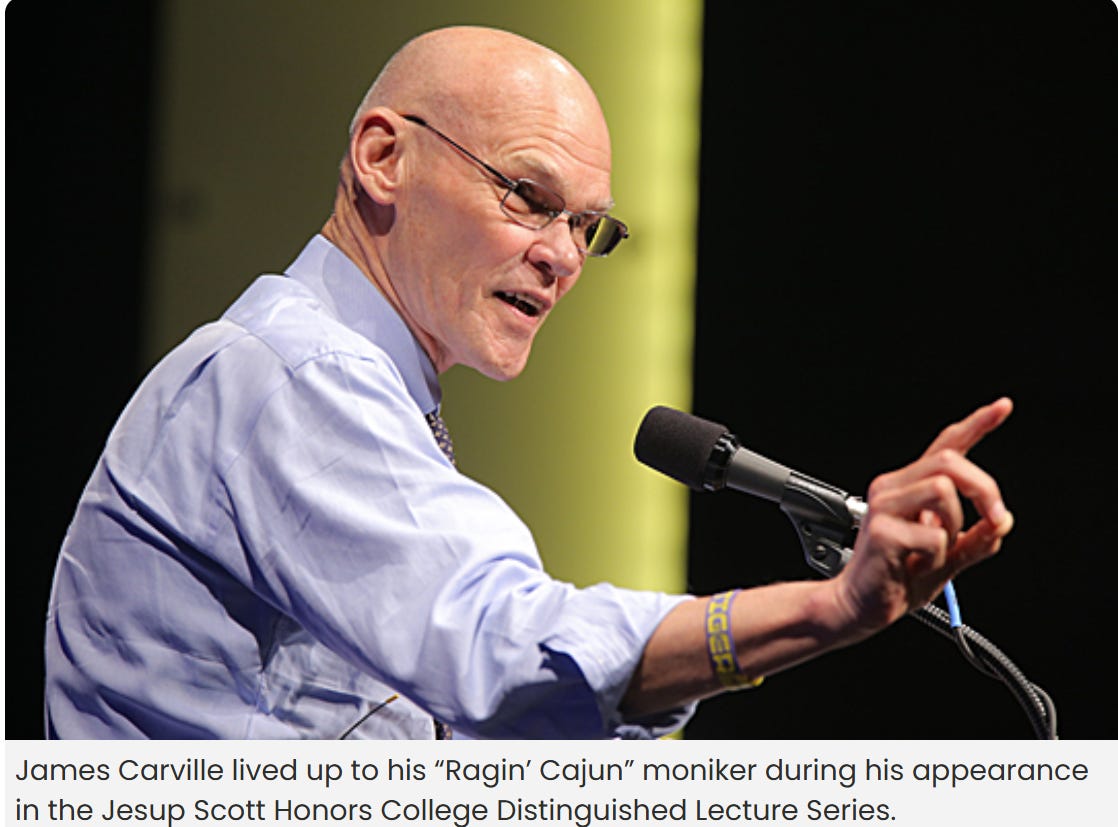
As James Carville warned, “I would give anything if one of these people ever beat a Republican… Beat a Republican, and then I will have respect for you”. Mamdani hasn’t done that. His win, while notable, is not a roadmap for 2028.
🏛️ Virginia and New Jersey: The Centrist Compass
In Virginia, Abigail Spanberger is poised to become the state’s first female governor. Her campaign emphasizes affordability, education, and public safety—not ideological crusades. She’s a former CIA officer who speaks to voters’ lived realities.
In New Jersey, Mikie Sherrill leads a competitive race against Jack Ciattarelli. She’s not flashy, but she’s grounded. Her platform includes freezing energy prices and distancing herself from unpopular Democratic policies. That’s not radical—it’s relatable.
These races show that competence and moderation win elections. As David Axelrod recently said, “Democrats must reintroduce themselves to working-class voters—not as missionaries or anthropologists, but as neighbors”.
⚖️ Trans Rights and the Centrist Line
Most Americans support trans rights—until the conversation turns to sports. A 2023 Gallup poll found that only 34% of Americans believe transgender women should compete on women’s teams. That’s not bigotry—it’s discomfort with perceived unfairness.
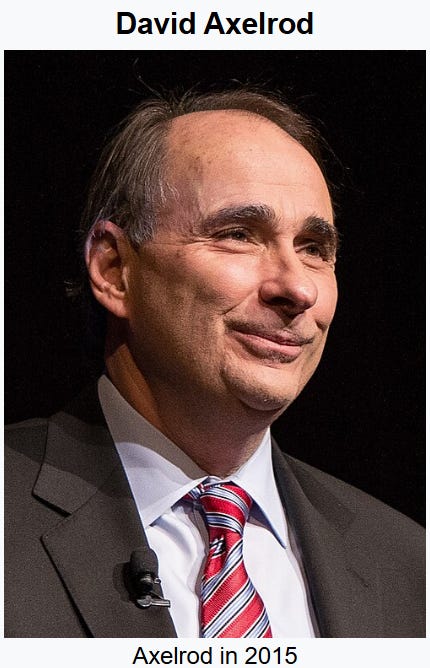
David Axelrod put it bluntly: “Voters don’t want lectures; they want results and leaders who understand their struggles”. We must defend dignity without alienating the middle.
🎯 Messaging Matters: Carville’s Warning
James Carville has long warned against “woke-speak” and far-left jargon. “Don’t use words like ‘intersectionality’… You’re just trying to show people how smart you are,” he said. Instead, he urges Democrats to talk about “fat cats,” “jobs,” and “security.”
Carville’s advice is clear: ditch the performative language and speak American. That means hot dogs, apple pie, and fireworks—not academic manifestos.

🧭 The Path Forward: Wes Moore, Not Ben Jealous
We don’t need a national Bernie Sanders or Ben Jealous. We need a Wes Moore—empathetic, pragmatic, and grounded. As Axelrod noted, “Obama governed exactly as he campaigned—with consistency and clarity”. That’s the model.
Let Mamdani have New York. Let Spanberger and Sherrill show us the way. The Democratic Party wins when it meets voters where they are—not where Twitter thinks they should be.
📚 Footnotes
1. David Axelrod on Obama’s nonideological governance
2. Axelrod urges Democrats to reconnect with working-class voters
3. Carville warns against alienating language like “intersectionality”
4. Mamdani’s platform and NYC mayoral race dynamics
5. Spanberger’s lead in Virginia governor’s race
6. Sherrill’s edge in New Jersey and distancing from Murphy
7. Gallup poll on trans athletes and public opinion
8. Carville’s critique of the “identity left” and call for electoral realism