

OP‑ED: Wes Moore Didn’t Fast‑Track Anything — He Slowed Down a Crypto‑Energy Gamble Maryland Didn’t Need
By Barry O’Connell
Maryland Wire
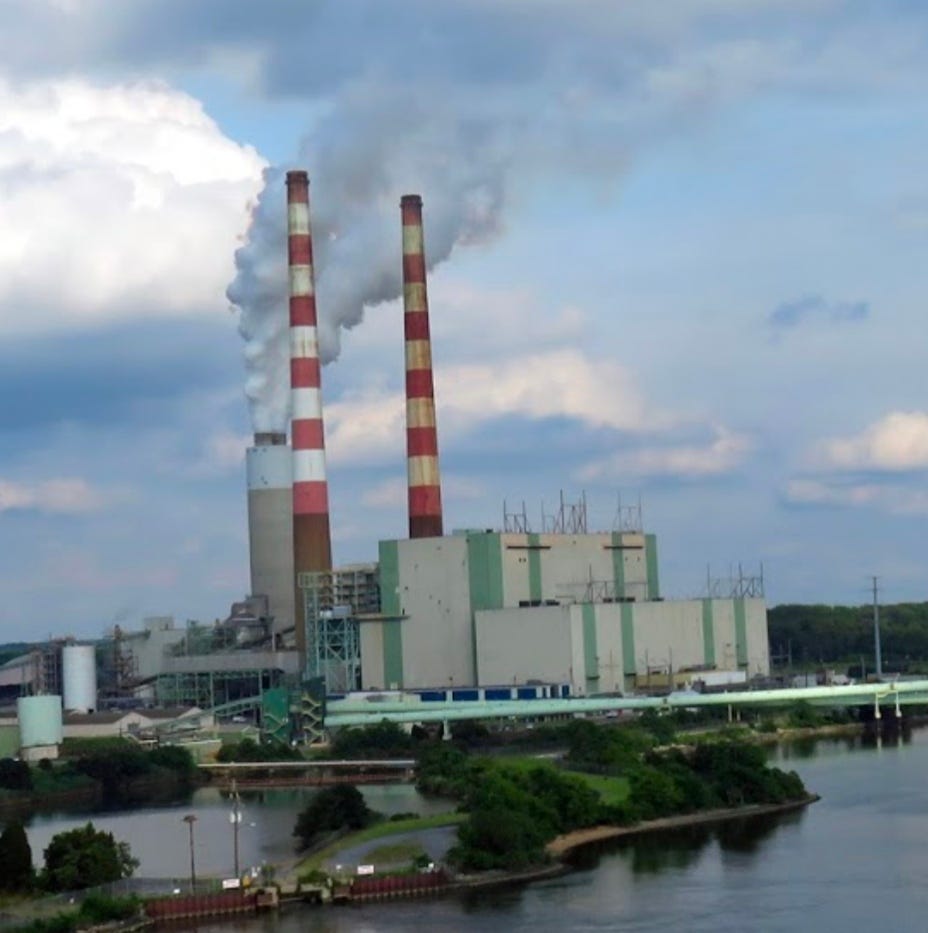
Maryland politics has no shortage of loud claims, and the latest swirl around the Morgantown Generating Station is a perfect example of how a complicated regulatory story can be flattened into a viral narrative that misses the real point. The allegation du jour is that Governor Wes Moore “fast‑tracked” a Bitcoin‑linked energy company’s plan to repower the retired coal plant into a gigawatt methane facility. The truth is more mundane — and far more flattering to the administration.
The Moore team didn’t fast‑track anything. If anything, they kept a volatile private actor firmly inside the guardrails of Maryland’s regulatory process, where it belongs.
A Letter That Wasn’t a Permit
Let’s start with the infamous December letter. Activists have framed it as a secret green light for pipelines and gas turbines. But read plainly, the letter is exactly what agencies send when a company expresses interest in redeveloping a contaminated industrial site: a commitment to process environmental cleanup and permitting in accordance with state law.
It wasn’t an approval. It wasn’t a permit. It wasn’t a shortcut.
If the administration wanted to ram this project through, we’d see movement. Instead, months later, the project is still mired in PJM review, FERC filings, and the Public Service Commission’s standard procedures. That’s not fast‑tracking — that’s governance.
A Governor With a Climate Record to Protect
Moore has spent his first years in office building one of the strongest climate portfolios in the country. He backed the implementation of the Climate Solutions Now Act. He pushed Maryland toward 100% clean electricity by 2035. He’s invested heavily in offshore wind, electrification, and grid modernization.
A one‑gigawatt methane plant doesn’t fit that trajectory, and the administration knows it. The fact that environmental groups are freely criticizing the project — and that the administration hasn’t leaned on regulators to silence them — is evidence of a governor who respects process, not one who circumvents it.
The Company’s Instability Makes Moore Look Better, Not Worse
TeraWulf is a Bitcoin‑dependent energy venture navigating a volatile market. Its business model is tied to crypto cycles, not long‑term grid stability. That alone is reason for caution — and the administration has shown exactly that.
No special treatment. No accelerated approvals. No public‑dollar commitments.
Maryland taxpayers have been protected precisely because Moore’s team didn’t take the bait.
Regulators Are Doing Their Jobs — And Moore Isn’t Interfering
Opposition from PJM’s market monitor, Maryland’s ratepayer advocate, Public Citizen, the NAACP, and the Sierra Club has been loud and substantive. In a different administration, that chorus might have been overridden or sidelined. Here, it’s being heard.
The project is still under review. The public still has a voice. The process is still intact.
That’s not the behavior of a governor captured by industry. It’s the behavior of a governor who understands that Maryland’s energy future must be built deliberately, not impulsively.
A Better Story Than the Viral One
The viral narrative is simple: donations, secret letters, pipelines, scandal. But the real story is better — and more boring. A private company tried to move quickly. The Moore administration didn’t. They acknowledged the inquiry, kept everything inside the regulatory process, and refused to grant special treatment.
In an era when crypto‑energy ventures are trying to reshape the grid at breakneck speed, Maryland’s governor did something rare: he slowed down.
That’s not a scandal. That’s leadership.