

The Progressive Purity Problem: Why Some of Our Friends Keep Handing Elections to Our Enemies
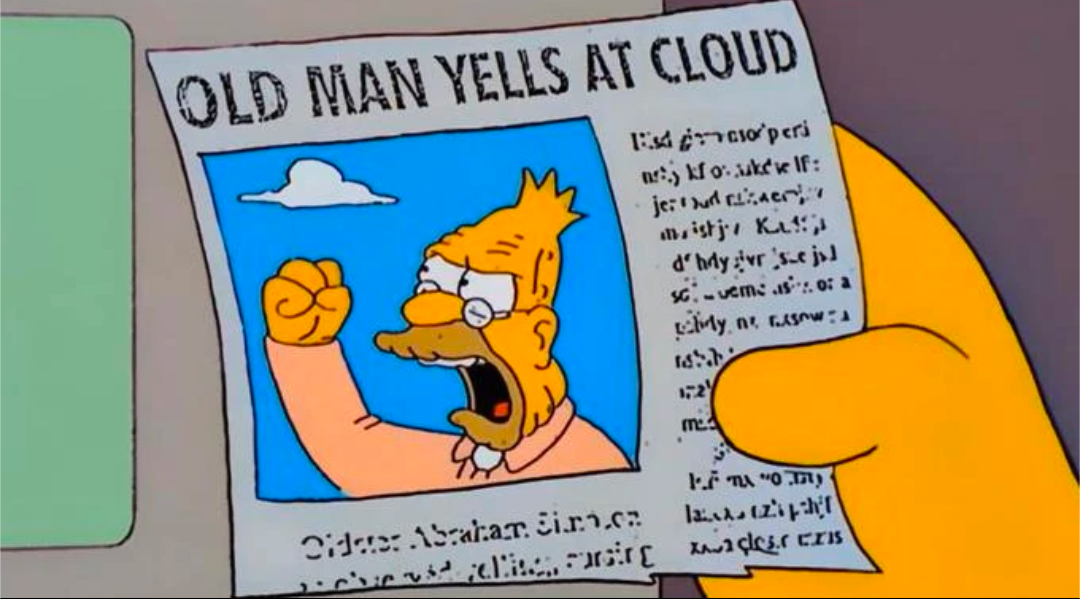
Every election cycle, I find myself returning to the same maddening observation — and yes, I admit it makes me sound like a cranky old man yelling at the clouds. But sometimes the clouds deserve it.
There is a certain slice of the progressive movement — not all, not most, but a loud and self‑important sliver — who behave as if politics is a cosmic vending machine. Push the button, get exactly what you want, or kick the whole thing over and storm out of the room. If a candidate doesn’t give them 100% of their wishlist, they decide the only mature, principled response is to… help elect someone who agrees with them on 0% of it.
Political scientists have a polite name for this. They call it expressive voting, or purity politics, or preference maximization. I call it something else: idiotic and childish.
Because here’s the pattern. It repeats itself like a bad sitcom rerun:
- Candidate A agrees with them on 90% of issues.
- Candidate B agrees with them on nothing.
- Candidate A is imperfect.
- Candidate B is a walking catastrophe for everything they claim to care about.
- So they stay home, or vote third party, or — in some cases — vote for Candidate B “to teach the party a lesson.”
And then they act shocked when Candidate B wins and proceeds to torch every policy goal they ever claimed to support.
This isn’t a secret phenomenon. It’s not something only grumpy columnists like me notice. The academics have studied it for decades. They’ve charted it, graphed it, footnoted it, and given it names like factional exit and punitive voting behavior. They’ve written entire books explaining why some voters would rather lose gloriously than win imperfectly.
But let me put it in plain English for the rest of us:
Some of our friends would rather lose an election than accept a compromise. And when they lose, the rest of us get to live with the consequences.
Now, before anyone starts sharpening their pitchforks, let me be clear: I’m not talking about people who thoughtfully disagree with a candidate. I’m talking about the folks who treat politics like a moral purity ritual. If a candidate doesn’t check every box, doesn’t use the exact preferred vocabulary, doesn’t sign on to the most maximalist version of every policy, then that candidate is a “sellout,” a “corporate shill,” or whatever the insult of the week is.
And so they sit out. Or they defect. Or they cast a protest vote that feels righteous for five minutes and disastrous for four years.
Meanwhile, the people who actually oppose their values — the ones who want to dismantle everything they claim to fight for — are thrilled. They don’t need to beat progressives. They just need progressives to beat themselves.
I know this sounds unkind. I know it sounds cranky. But sometimes crankiness is just realism with a shorter fuse.
Politics is not a purity contest. It’s not a fantasy league. It’s not a dream journal. It’s a blunt, imperfect, grinding process where you either move the ball forward or you hand it to the other team.
And if you hand it to the other team because you didn’t get everything you wanted, don’t be surprised when they run it all the way into your end zone.
Some of our friends haven’t learned that yet.
The rest of us are tired of paying the price.