

A Personal Statement of Belief
I have spent most of my life seeing the world through a lens that is both deeply spiritual and rigorously observational. At the center of my worldview is a simple conviction: only Scripture offers absolute certainty, and even then only as far as it is faithfully translated and rightly understood. Everything else — every fact, every claim, every expert opinion — exists on a spectrum of probability.
This is not cynicism. It is the product of decades spent studying people, cultures, languages, art, and politics across Southwest Asia. The more I learned, the more I realized how rarely human beings possess perfect knowledge of anything. What we call “facts” are often interpretations. What we call “truth” is often perspective. And what we call “certainty” is usually habit.
Because of this, I came to rely on a five‑degree model of probability — a simple framework that helped me sort the world’s claims into something coherent.
The Five Degrees of Probability
1. The Bazaar Rumor
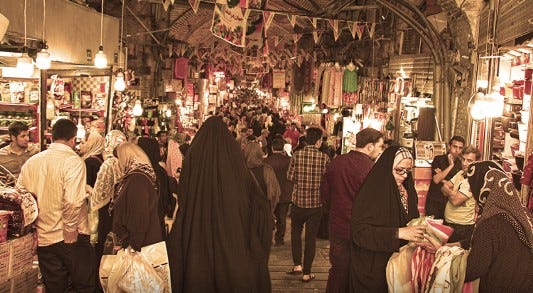
The lowest level of probability is what I call the rumor of the bazaar. Not “bizarre” as in strange — bazaar as in marketplace. These are the stories merchants tell to sell carpets, spices, jewelry, or political narratives. They are colorful, persuasive, and often completely unsubstantiated. They reveal more about human imagination than about reality.
2. The Informed Local Opinion
A step above rumor is the judgment of intelligent people who know the situation well — the shopkeepers, elders, traders, and community members who have lived their entire lives inside a culture. Their insights matter, but they remain opinions shaped by personal experience.
3. The Lifelong Practitioner
Higher still are those who have devoted their lives to a subject — artisans, scholars, linguists, historians, and cultural specialists. Their knowledge is disciplined, but still interpretive.
4. The Recognized Expert
Fourth are the credentialed experts whose work is acknowledged by institutions. Their conclusions carry weight, but they are still human beings with biases, blind spots, and theoretical commitments.
5. The Trained, Unbiased Observer
The highest degree of probability — the closest we can get to reliable human knowledge — comes from trained observers with no recognizable agenda. These are people who go into the field, learn the languages, live among the communities, and record what they see with care and humility.
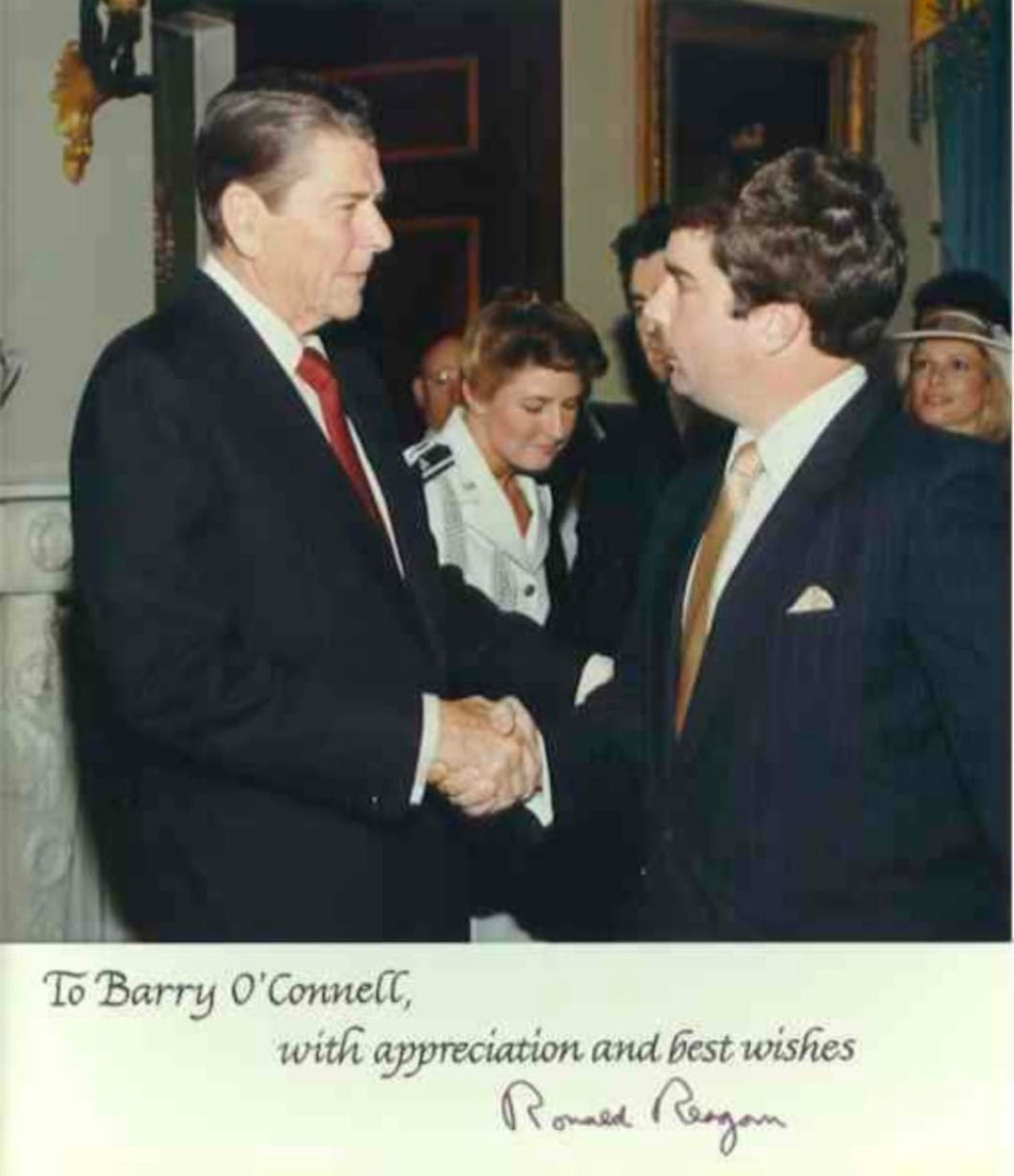
During my studies of Oriental rugs, languages, and regional cultures, I found that Western missionaries trained in linguistics often fell into this fifth category. Whatever one thinks of their theology, their linguistic documentation was meticulous. They learned local languages not for academic prestige but to communicate with real people. Their work, preserved in resources like the Ethnologue, reflected years of immersion and direct observation.
This approach baffled some government analysts who believed that anything produced by religious workers must be dismissed on principle. But to me, the question was simple: Were they trained? Were they present? Were they observing carefully? If the answer was yes, their data deserved to be treated as a five.
This is how I arrived at the conclusion — long before it was fashionable to say so — that Afghanistan was home to more than forty distinct languages, not the handful often cited in official summaries. My view wasn’t ideological. It was observational. It came from trusting trained fieldworkers over distant bureaucratic assumptions.
Why I Believe What I Believe
My worldview rests on two pillars:
1. Divine Revelation as the Only Absolute
I accept the Bible as the one source of perfect truth, not because I can prove it in a laboratory, but because of divine revelation — a form of knowing that transcends empirical verification. Everything else, no matter how convincing, remains probabilistic.
2. Human Knowledge as Degrees of Probability
Life has taught me that certainty is rare and humility is essential. Whether studying rugs, languages, or political systems, I have learned that the world is best understood through careful observation, disciplined skepticism, and a willingness to rank claims by their evidentiary strength.
This combination — Biblical foundationalism paired with practical fallibilism — shapes how I interpret everything from geopolitics to daily life. It keeps me grounded in faith while remaining open to learning. It allows me to respect expertise without worshiping it. And it reminds me that truth is often discovered not in conference rooms or policy papers, but in the quiet work of people who pay attention.
How I Reach My Conclusions
I do not rely on ideology, institutional authority, or fashionable theories. I rely on:
- Scripture for absolute truth
- Observation for practical truth
- Probability for everything in between
This framework has guided me through decades of study, travel, and analysis. It has helped me navigate cultures, languages, and political systems with clarity and respect. And it has given me a way to make sense of a world that is always complex, often contradictory, and never fully knowable.