

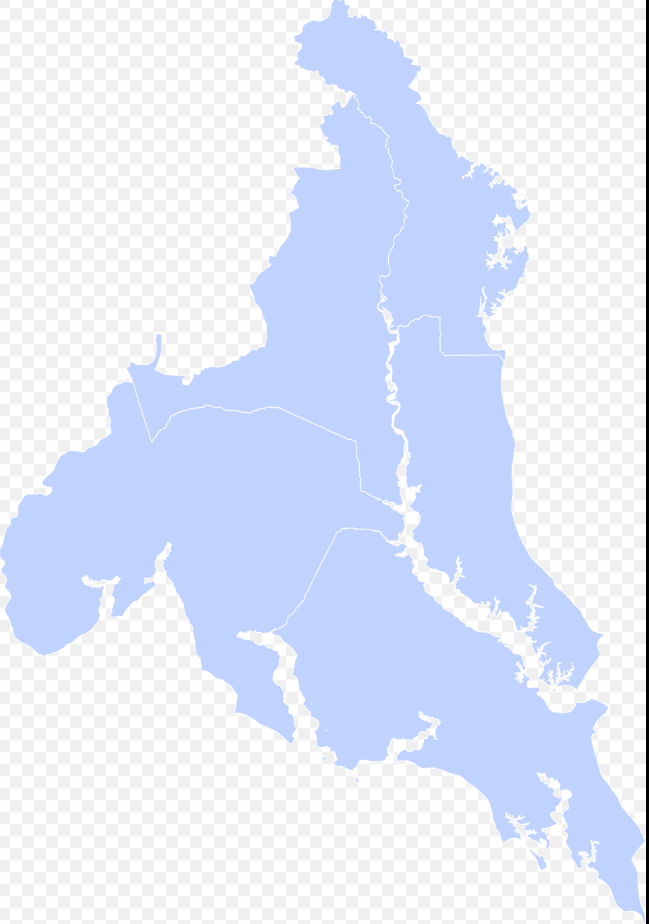
MD‑05 Democratic Primary: What Worked, What Didn’t, and What the Results Tell Us
A Maryland Wire Magazine Analysis
When the dust settled in Maryland’s Fifth Congressional District, we ended up with a result that wasn’t particularly surprising — but the path to that result tells us a great deal about how campaigns succeed or stumble in this district. With the race now officially over and Adrian Boafo the Democratic nominee, I want to walk through what I saw, what voters reacted to, and what these campaigns revealed about themselves.
This isn’t about relitigating the race. It’s about understanding it.
Adrian Boafo: The Discipline Candidate
From the beginning, Boafo ran the kind of campaign that wins in MD‑05: disciplined, steady, and relentlessly focused on his own message. He didn’t take the bait from critics, didn’t wander off into side issues, and didn’t try to reinvent himself every week. He stayed on the rails.
He also had something no one else had — Steny Hoyer’s blessing. And in this district, that matters. Hoyer didn’t deliver Boafo a win through tricks or machinery. He delivered it through forty years of credibility. Voters know Hoyer. They trust him. When he introduced Boafo, it signaled continuity: the same constituent‑service‑first approach that has defined MD‑05 for decades.
Boafo’s strategic operation reflected the fingerprints of Len Foxwell, whose years with Peter Franchot gave him a granular understanding of the district’s diners, backroads, and political culture. The campaign’s tone matched the district’s expectations almost perfectly.
And Boafo himself fit the district. First‑generation Ghanaian‑American, yes — but born here, raised here, educated here, and sounding like the people he was asking to represent. In a district where cultural familiarity matters, he came across as one of the locals.
Quincy Bareebe: A Strong Start, a Complicated Finish
Quincy Bareebe spent heavily — likely between $6 and $7 million — and built a polished, professional campaign. Her mailers were well‑received, especially the KFC story, which humanized her and made her relatable despite her financial capacity.
But the campaign also made choices that didn’t land well.
Her consultant, Mark McLaurin, placed her firmly in the progressive lane. That’s a legitimate lane, but in MD‑05 it’s narrow, and she shared it with other candidates. Her speaking style — forceful delivery combined with a pronounced Ugandan accent — struck some voters as unfamiliar. Not disqualifying, but not optimal.
The late‑race introduction of Jamaal Bowman was, in my view, the most damaging decision. Bowman’s record of opposing major defense programs collided directly with the economic backbone of MD‑05. This district is home to NAVSEA, NAVAIR, and thousands of defense‑related workers. Bringing in a surrogate who wants to cut their livelihoods was a strategic error, and his extended presence on the trail likely cost her votes.
Bareebe ran a serious campaign with real strengths, but the combination of tone, lane, and surrogate choices created headwinds she couldn’t overcome.
Harry Dunn: A Candidate Without a Campaign
Harry Dunn is a likable figure with a compelling personal story. But he didn’t run like someone trying to win a congressional seat.
His television appearances — where he couldn’t mention his candidacy due to federal equal‑time rules — created visibility without relevance. People saw him, but not as a candidate for MD‑05. Reports from the field suggested he wasn’t present at many local events, leaving voters unsure how seriously he was running.
He raised money aggressively but didn’t seem to spend or campaign aggressively. His roots in Prince George’s County (through his cousin, State Treasurer Derek E. Davis) were never emphasized. His residence in Montgomery County raised questions. His previous run in MD‑03 raised more.
He finished just under 14%. He could have done better if he had shown up.
Wala Blegay: A Progressive Lane Already Occupied
Wala Blegay ran as a committed progressive, but she was competing directly with Bareebe for the same ideological space — and Bareebe had far more resources. Her decision to leave her at‑large council seat to run for Congress struck some voters as abrupt, especially after multiple recent office changes.
She ran a respectable campaign and earned 11%, but the lane was crowded and the district’s center‑left majority didn’t move her way.
Rushern L. Baker: A Respected Figure in a Tough Spot
Rushern Baker is widely respected in Prince George’s County. But his long‑standing challenge — fundraising — again proved decisive. Entering a 24‑candidate race with under $200,000 made competitiveness nearly impossible.
Baker’s political trajectory since leaving office in 2014 has included multiple runs for high‑profile offices, most ending due to lack of funds. In MD‑05, he abandoned his traditional mainline Democratic persona and aligned with progressive candidates to attack Boafo. That shift confused supporters and contradicted the brand he had built over decades.
He finished with 10.5%, respectable but far below what he might have achieved with resources and message consistency.
Lower‑Tier Candidates: A Few Notes
Most candidates below the top tier didn’t significantly penetrate the district’s attention. A few stood out:
- Harry Jarin ran an aggressive anti‑Boafo effort but lacked money, name recognition, and district resonance. His 1.5% reflected that mismatch.
- Leigha Messick introduced inaccurate information into my Everybody’s Maryland Politics group and refused correction, leading to her removal.
- Walter Kirkland impressed me personally — thoughtful, well‑spoken, and respectable. A smaller race might suit him better.
- Jerry Lightfoot and Heather Luper came across as solid individuals, though their campaigns didn’t break through.
Final Thoughts
This race reaffirmed something I’ve seen for years:
- MD‑05 rewards discipline, familiarity, and cultural fluency.
- It punishes ideological overreach and mismatched surrogates.
- Money helps, but message discipline helps more.
- And above all, voters respond to candidates who feel like part of the district’s fabric.
Boafo understood that. Others didn’t.
CandidateVotesVote share
Adrian Boafo 30,946 32.94%
Quincy Bareebe 16,381 17.44%
Harry Anthony Dunn 13,125 13.97 %
Wala Blegay 10,371 11.04%
Rushern L. Baker, III 9,883 10.52%
Arthur Ellis 2,672 2.84%
Reuben B. Collins, II 1,520 1.62%
Harry Jarin 1,371 1.46%
Nicole A. Williams 1,332 1.42%
Alexis S. Solis 870 0.93%
Dave Sundberg 827 0.88%
Leigha Messick 709 0.75%
Mark Arness 554 0.59%
Walter Kirkland 475 0.51%
Tracy Starr 457 0.49%
Jerry Lightfoot 429 0.46%
Terry Antonio Jackson, II 360 0.38%
Heather Luper 350 0.37%
Harold Tolbert 347 0.37%
Ellis D. Colvin 268 0.29%
Elldwnia English 228 0.24%
Keith Salkowski 185 0.20%
Kenneth Simons 144 0.15%
James Anderson Makle, Jr. 140 0.15%
Good analysis, except for this statement: " MD‑05 rewards discipline, familiarity, and cultural fluency." Wrong, Barry.
There hasn't been an MD-05 arena in decades in which candidates competed, or any way to decide how the district acts or rewards, as Hoyer has been there unopposed by any real competition, either within his party or from the GOP, since 1982, and Spellman occupied the space comfortably until she had her stroke.