

MARYLAND WIRE — INDUSTRY NOTEBOOK
Maryland’s Quiet Maritime Engine: Shipbuilding, Repair, and the Thousands Who Keep the Bay Working
Maryland is not often thought of as a shipbuilding state — not in the way people think of Newport News or Bath Iron Works — but the truth is far more interesting. Across the Chesapeake watershed, from Salisbury to Baltimore to the small yards of Southern Maryland, Maryland maintains a dense, diversified, and surprisingly modern maritime manufacturing economy.
This is the story of that ecosystem — and thChesapeake Shipbuildinge thousands of Marylanders who build, repair, service, and sustain the vessels that move America.
Salisbury: The Small‑Ship Capital of the United States
Chesapeake Shipbuilding — A National Leader in Cruise Catamarans and Riverboats
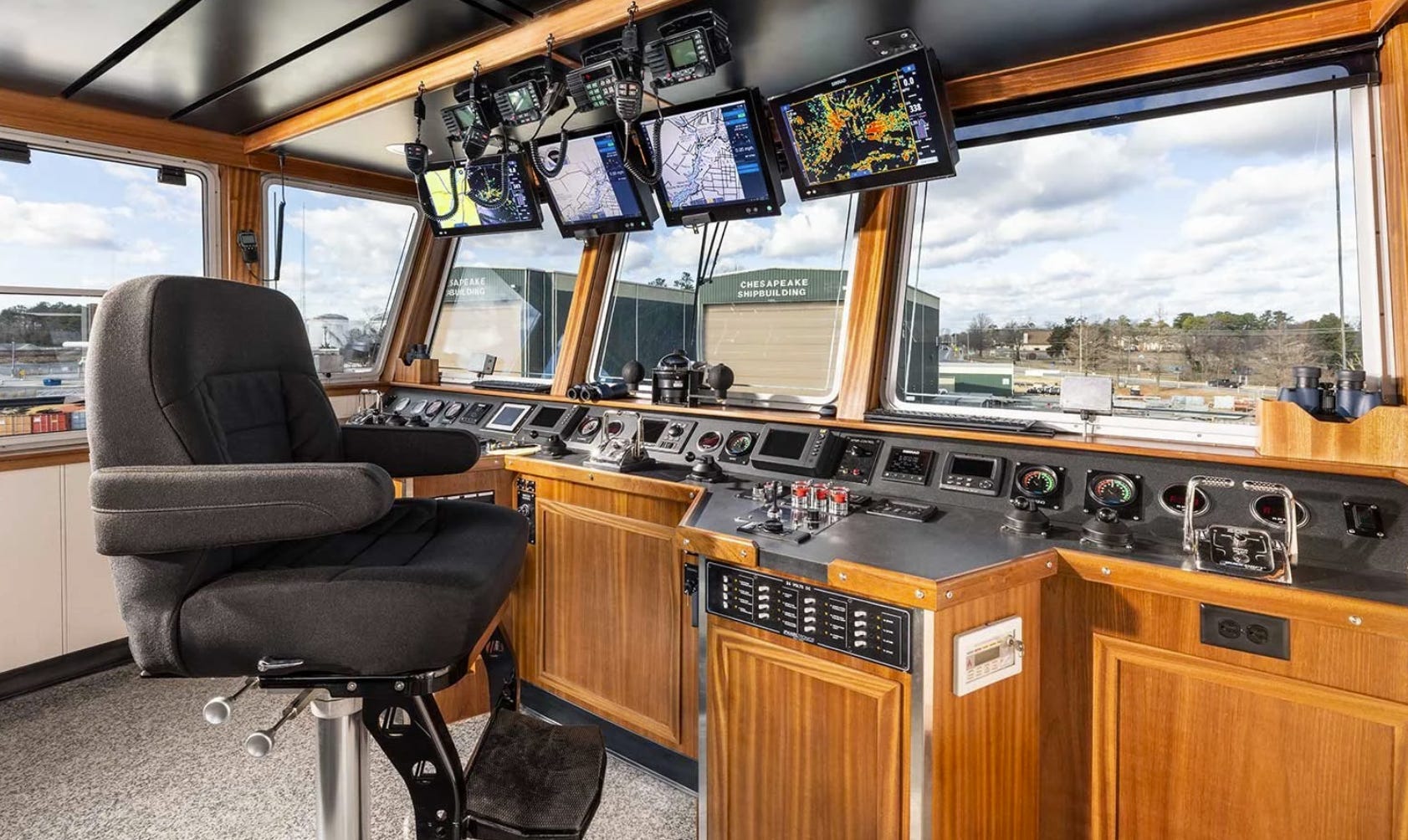
Salisbury’s Chesapeake Shipbuilding is the beating heart of Maryland’s commercial shipbuilding sector. Located on the Wicomico River, the yard sits on 13 acres with 2,000 feet of deepwater bulkhead.
The company is currently under contract to build 12 new hybrid catamaran cruise ships for American Cruise Lines — part of a national expansion of small‑ship domestic cruising. These vessels are not mega‑liners; they are 90–180‑passenger coastal and river cruise ships, designed for shallow‑draft waterways, New England harbors, and the Intracoastal Waterway.
Recent reporting confirms:
- Chesapeake Shipbuilding is expanding with new buildings, offices, and trade shops to support the contract.
- The expansion is expected to create 100+ new jobs in Wicomico County.
- American Cruise Lines will take delivery of 10 new vessels over the next three years, including coastal cats and riverboats.
This makes Salisbury one of the most productive small‑ship yards in the country.
Other Eastern Shore Builders
While Chesapeake Shipbuilding dominates the region, the Eastern Shore also hosts:
- Heritage and workboat builders
- Skipjack restorers
- Small craft fabricators
These operations are smaller, but they form a dense maritime services network supporting watermen, tourism, and local industry.
Baltimore: Tugboats, Barges, and Heavy Repair
Vane Brothers — A Maritime Powerhouse
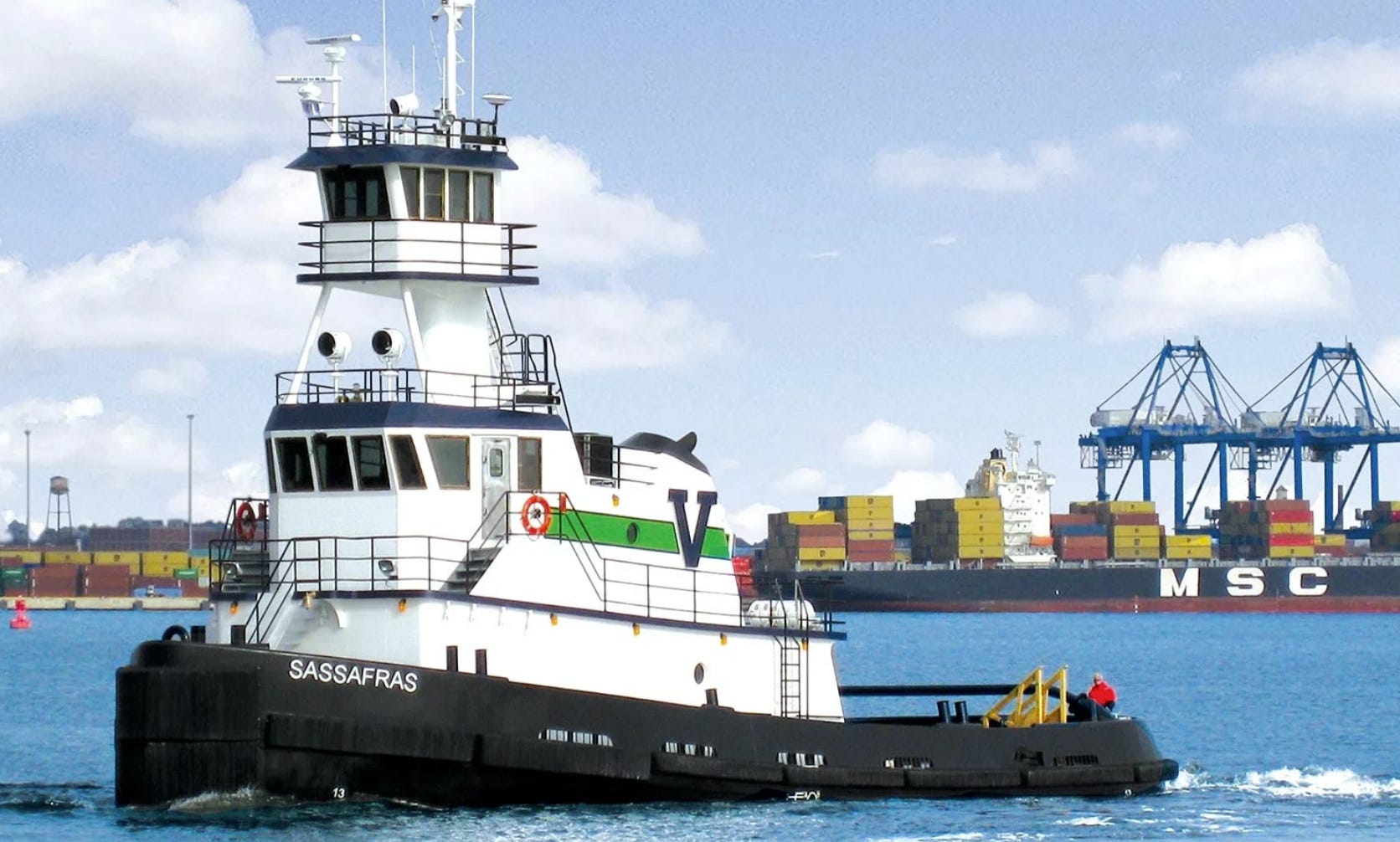
Founded in 1898, Vane Brothers is headquartered in Baltimore and operates a fleet of 130 tugboats and barges across the East, West, and Gulf coasts.
Their relationship with Chesapeake Shipbuilding is deep:
- Chesapeake has built 20 Maryland‑built towing vessels for Vane since 2008.
- The most recent deliveries include the Salisbury Class push tugs — 3,000‑horsepower vessels designed for shallow‑draft waterways.
These tugs are engineered for:
- Northeast coastal operations
- Shallow rivers
- Harbor maneuvering
Baltimore’s maritime economy also includes:
- Tradepoint Atlantic (Sparrows Point) — heavy industrial maritime logistics
- Multiple drydock and repair contractors
- Barge maintenance and marine services firms
Employment estimates vary, but Baltimore’s maritime sector supports thousands of jobs across tug operations, repair yards, logistics, and port services.
Annapolis & the Chesapeake: High‑End Yacht Repair and Marine Services
Annapolis is the yacht‑repair capital of Maryland, with dozens of businesses specializing in:
- Fiberglass and hull repair
- Rigging and sailmaking
- Marine electronics
- Engine refits
- Winterization and seasonal maintenance
These shops serve:
- Chesapeake cruisers
- Racing yachts
- Luxury sailboats
- Liveaboard vessels
The yacht‑service economy is one of the most skilled‑labor‑intensive sectors in the state’s maritime industry.
Southern Maryland: Workboats, Skipjacks, and Heritage Craft
Southern Maryland hosts:
- Workboat builders
- Oyster‑boat fabricators
- Skipjack restoration yards
- Small commercial craft manufacturers
These operations keep the Bay’s working fleet alive — from watermen’s boats to charter vessels to small ferries.
The Big Picture: Maryland’s Maritime Workforce
Maryland’s shipbuilding and repair ecosystem includes:
- Cruise‑ship construction (Salisbury)
- Tug and barge construction (Salisbury/Baltimore)
- Heavy repair and drydock services (Baltimore)
- Yacht repair and refit (Annapolis)
- Workboat and heritage craft building (Southern Maryland & Eastern Shore)
While not a single mega‑yard state, Maryland’s maritime economy is broad, interconnected, and labor‑intensive — supporting thousands of skilled jobs across welding, fabrication, marine engineering, carpentry, electronics, and logistics.
Conclusion: A Quiet Industrial Success Story
Maryland’s shipbuilding and ship‑repair industry is not loud, flashy, or dominated by one giant employer. Instead, it is a distributed network of high‑skill, high‑value maritime businesses that collectively form one of the most important — and least understood — industrial ecosystems in the state.
From Salisbury’s cruise‑catamaran boom to Baltimore’s tug‑and‑barge fleet to the yacht yards of Annapolis and the workboat builders of Southern Maryland, Maryland remains a state of shipbuilders.
And the Bay — as always — is the center of it all.