


🧭 Maryland’s Middle Temperament: Why Wes Moore Won and Ben Jealous Didn’t
By Maryland Wire Editorial Staff
November 2025
In Maryland politics, the center still holds.
That’s not just a slogan—it’s a governing truth. From the late Senate President Mike Miller’s invocation of “the state of middle temperament” to the quiet pragmatism of voters who rejected both MAGA extremism and democratic socialism, Maryland has long favored competence over crusades.
Two recent gubernatorial campaigns—Ben Jealous in 2018 and Wes Moore in 2022—offer a case study in what resonates and what repels. One candidate ran on a platform of sweeping, idealistic promises. The other ran as a disciplined, centrist reformer. Only one won.
🔥 The Jealous Experiment: Free Everything, Paid by “the Rich”
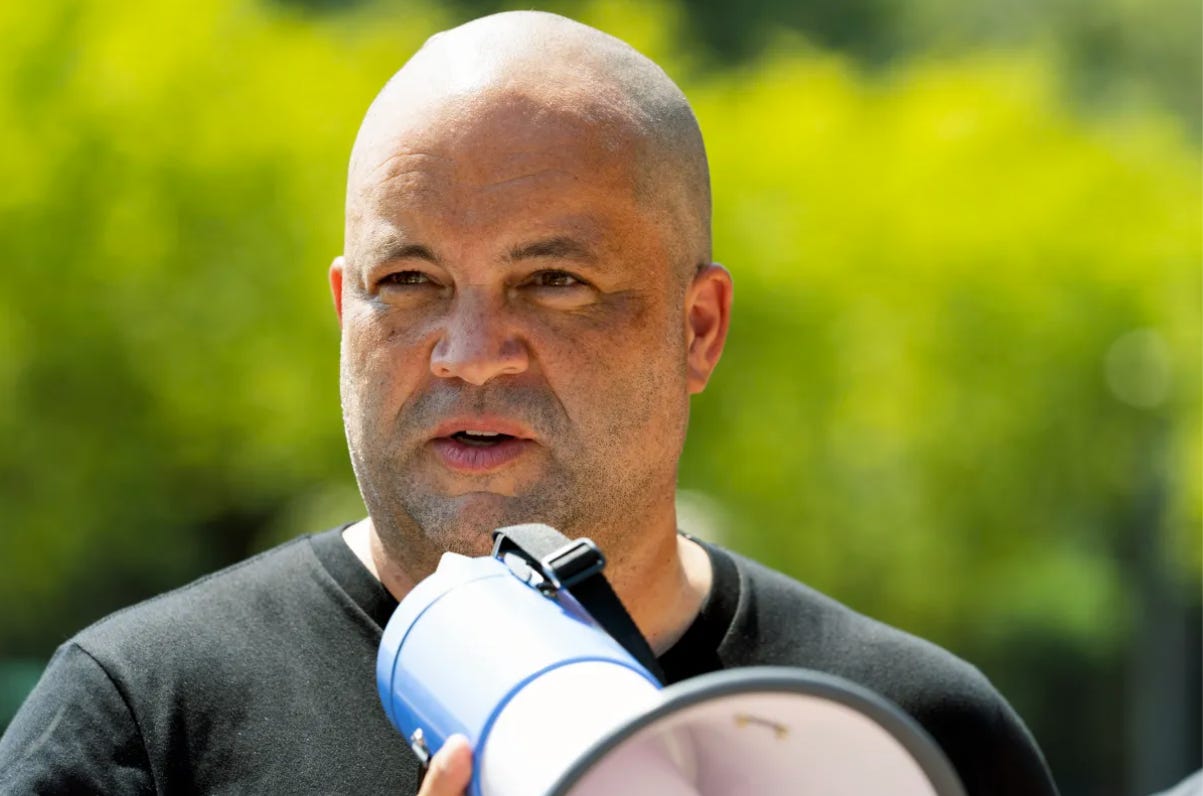
Ben Jealous entered the 2018 race with national credentials and a Bernie Sanders–style platform: free college, Medicare for All, and a tax-the-rich funding model that defined “rich” as anyone making over $100,000. In Maryland, that’s a lot of people—including many in the Democratic base.
The result? A 12-point loss to Republican Governor Larry Hogan in a state where Democrats outnumber Republicans 2-to-1.
Even sympathetic observers noted the mismatch between Jealous’s platform and Maryland’s political culture. As Maryland Matters reported, “Republicans will be using the very same playbooks they used to bludgeon Ben Jealous in 2018”. That playbook worked because Jealous gave them the material.
🏛️ Wes Moore: The SunTrust Democrat
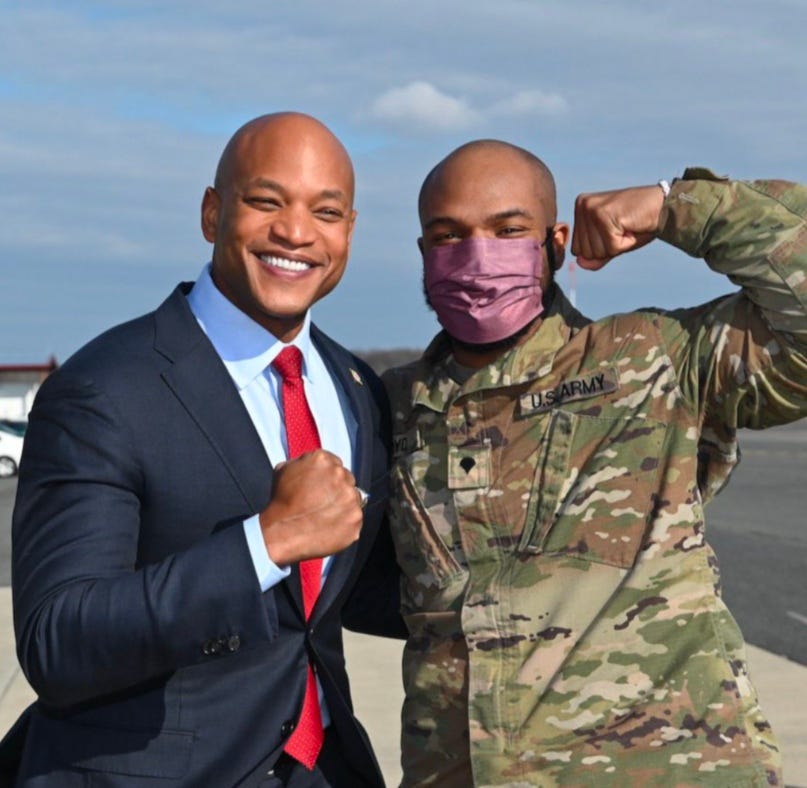
Fast forward to 2022. Wes Moore, a political newcomer, ran a campaign that was aspirational in tone but centrist in substance. He emphasized economic opportunity, public safety, and education—not revolution. He didn’t promise free everything. He promised results.
Moore’s background—combat veteran, Rhodes Scholar, nonprofit CEO—wasn’t just impressive. It was reassuring. As Maryland Matters put it, Moore “combined superior communications skills with an ability to win a room—gifts even his rivals acknowledged”.
He beat Peter Franchot, a longtime comptroller with deep institutional ties, and Tom Perez, a former U.S. Labor Secretary with a sterling résumé. Why? Because Moore spoke to Maryland’s middle temperament. He didn’t scare the suburbs. He didn’t alienate working-class voters. He didn’t overpromise.
🗳️ Maryland Isn’t Afraid to Pay—But It Wants Value
Marylanders aren’t allergic to taxes. They’re allergic to waste. They’ll fund schools, transit, and healthcare—but they want competence, not slogans. That’s why Moore’s message landed and Jealous’s didn’t.
As one voter told The Washington Post, “I’m not against helping people. I just want to know the numbers add up”. That’s the Maryland ethos in a sentence.
🧩 The Real Lesson: Temperament Is Strategy
Wes Moore didn’t win by accident. He won by understanding that Maryland isn’t a lab for ideological experiments. It’s a state of neighborhoods, not manifestos. A state of working professionals, not Twitter activists. A state that wants its leaders to be bold—but not reckless.
Ben Jealous gave us the playbook from the democratic socialist handbook. Wes Moore gave us a blueprint for pragmatic progress. Maryland chose the latter.
📎 Footnotes
1. Jealous lost to Hogan by 12 points despite Maryland’s Democratic majority.
2. Josh Kurtz on how Republicans used Jealous’s platform against him.