

They want you to blame inflation. Corporate boards say it’s the Fed. Politicians smirk behind podiums, pointing to global supply chains. But for everyday Marylanders, from Dundalk dockworkers to Bowie schoolteachers, the punch in the bread basket isn’t inflation at all.
It’s tariffs.

💸 What They Won’t Tell You
Maryland families are being taxed at the checkout line every single day by policies they didn’t vote on and likely never heard about.
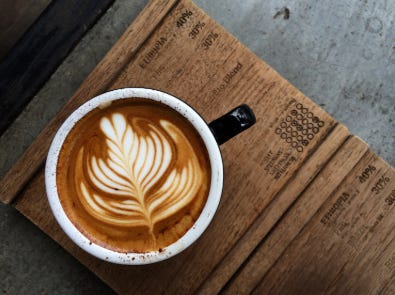
- Coffee prices are skyrocketing at your favorite Baltimore café, not because beans are scarce, but because Brazil’s getting slapped with import taxes. Your morning cup now costs $6.75, with a side of trade war.
- Auto tariffs are jacking up car prices by $4,000 or more, and the Port of Baltimore, a lifeline for jobs, is hemorrhaging hours and workers.
- Cookware and furniture from China? Yep. Your Target run just turned into a borderline luxury trip.
- Even prescription drugs and fertilizer are feeling the sting, pushing up costs for farming communities and the elderly alike.
And no one’s ringing the alarm.

🔥 Who Pays? YOU DO.
- The retired woman in Cumberland relying on imported insulin.
- The single dad in Waldorf trying to build a deck before winter.
- The Salisbury small business owner watching her overhead costs swallow her margins whole.
This is a backdoor tax. And unlike inflation, there’s no economic cycle to wait out. These are policy decisions, intentional bruises wrapped in patriotic ribbons.
🧩 What’s Missing from the Narrative
When national leaders talk “strong American industry,” they’re not talking about your local car repair shop or the diner on Route 1. They mean multinationals. Defense contractors. Wall Street.
Maryland’s working class gets the bill.
🗳️ Where Is Annapolis?
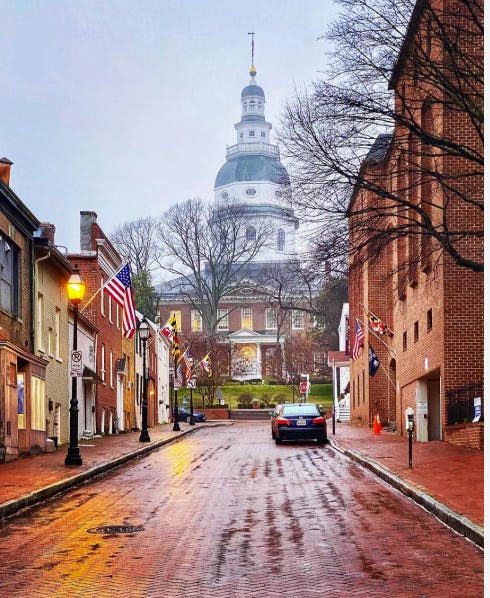
The silence from state legislators is deafening. They rail against inflation and post smiley ribbon-cuttings for development projects, yet say nothing of the trade policies that bleed local economies dry.
We elect delegates to fight for us. Not to nod politely while lobbyists rewrite Maryland’s economic destiny.