


Maryland Politics: The Real Two-Party State
By Barry O’Connell, Maryland Wire
On paper, Maryland is a one-party state. Democrats hold the governorship, the Senate, and the House of Delegates. Republicans, with just 28% of seats in the General Assembly, are too weak to block legislation or shape policy. Independents, though numerous, are disorganized and agenda-less. The real divide—the one that actually matters—is inside the Democratic Party itself. Maryland is not Democrat vs. Republican. It is Moderate Democrat vs. Progressive Democrat.

The Republican Mirage
Republicans in Maryland are a messaging faction without governing power. Their press releases and Fox 45 soundbites generate headlines, but they rarely translate into legislative outcomes. Congressman Andy Harris, the state’s lone Republican in Washington, largely ignores Annapolis. In effect, Republicans are spectators, not players.
The Democratic Split
The true contest is between two Democratic camps:
- Moderates: Pragmatic, centrist figures who dominate most of the state. Wes Moore’s gubernatorial campaign leaned moderate—even conservative at times—and carried him to victory. These are the “Hillary Clinton Democrats,” cautious coalition-builders focused on incremental progress.
- Progressives: Rooted in the anti-Truman left of the mid-20th century, their modern resurgence came with Bernie Sanders. In Maryland, Ben Jealous, Jill Carter, and Gabriel Acevero carried the banner, but their influence has waned. Jealous’s 2018 loss to Larry Hogan underscored the limits of progressive appeal statewide. Carter was sidelined into a governor’s office role, and Acevero faces pushback even within Montgomery County’s delegation. Today, Prince George’s County remains the last bastion of progressive strength.
Why Progressives Struggle
Progressives have repeatedly failed to expand beyond their enclaves:
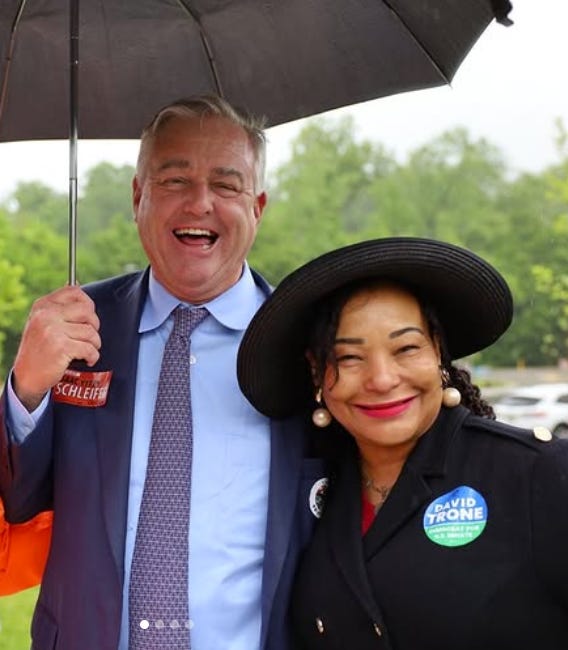
- David Trone’s Senate run fizzled, attracting mostly disaffected Democrats without coalition support.
- Peter Franchot’s ill-fated pivot to progressivism—guided by poor campaign advice—illustrates the danger: he was crushed in the primary, while Wes Moore’s centrist message carried him to victory.
Progressives can still shape debates on policing, housing, and healthcare, but they remain outsiders in statewide contests.
The Real Divide
Maryland politics is not Republican vs. Democrat. It is Moderate vs. Progressive Democrat. Republicans are too weak to matter, independents too disorganized, but the Democratic split is consequential. Legislative battles, budget priorities, and candidate recruitment hinge on whether moderates or progressives prevail. Maryland is, in truth, a two-party state contained within one party.
Footnotes
1. Ballotpedia – Party control of Maryland state government: http://ballotpedia.org/PartycontrolofMarylandstate_government
2. BestNeighborhood.org – Maryland Political Map:
https://bestneighborhood.org/conservative-vs-liberal-map-maryland/
3. Independent Voter Project – Maryland Voter Registration Statistics:
Are the folks registered as Republicans, aware of this interesting theory?