

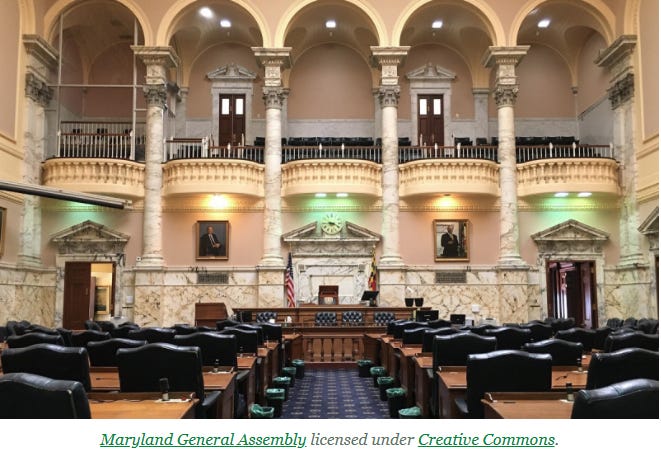
The General Assembly isn’t dictatorial—it’s democratic. And that’s the point.
By Barry O’Connell
Let’s dispense with the fantasy that Maryland’s General Assembly is some top-down cabal forcing unwanted policies on an unsuspecting public. The truth is simpler, more democratic, and—if you’re one of the “whining cranks”—more inconvenient.
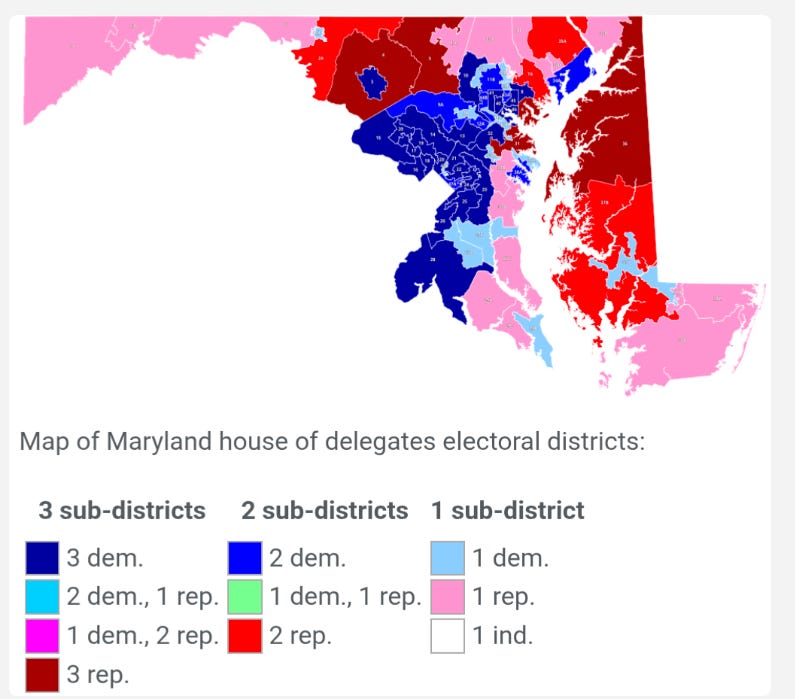
As of the 2025 legislative session, Democrats hold a veto-proof supermajority in both chambers: 34–13 in the Senate and 102–39 in the House of Delegates【Ballotpedia】. That’s not a conspiracy. That’s a reflection of the electorate. Maryland is one of 15 Democratic trifecta states, meaning the governor, Senate, and House are all controlled by Democrats【Ballotpedia】.
Every four years, voters have the option to change that. They don’t. They reelect the same delegates and senators because, imperfect as they may be, they deliver the style of governance Marylanders demand.
🧠 The Myth of the “Bosses”
The idea that party bosses are coercing legislators into an agenda that voters reject is a projection—usually from the losing side. Leadership in Annapolis provides guidance, yes. But it doesn’t override the will of the districts. Legislators vote with their constituents because that’s how they stay in office. If they stray too far, they’re replaced. But most don’t stray. Because most voters are content.
🚗 Auto Fees and the Cost of Civilization
Yes, auto registration fees are up. Starting July 1, 2025, the cost for passenger cars under 3,500 pounds jumped from $135 to $221 for a two-year renewal【WMAR-2 News】. That’s not popular. But it’s also not a surprise. Maryland faces a $2 billion transportation deficit over six years, and voters want roads, bridges, and transit that work【WMAR-2 News】.
You can’t demand infrastructure and then cry foul when the bill arrives. Marylanders understand this. They grumble, but they pay. Because they value the life they’ve chosen.
🌾 Rural Republicans and the Consequences of Small Government
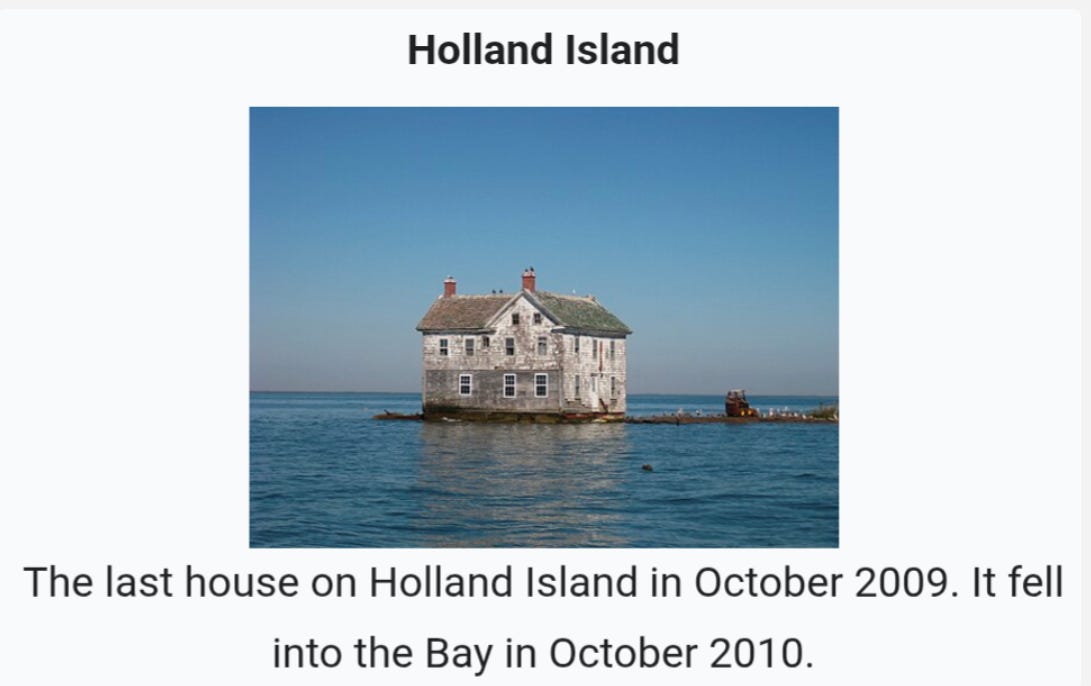
In the rural Republican strongholds, voters have long agitated for smaller government. Less spending. Fewer programs. Lower taxes. And they got it. But now, as SNAP benefits shrink and rural health care erodes, those same communities are feeling the sting.
Take Crisfield, the Eastern Shore town slipping into the Chesapeake Bay. It lost $36 million in FEMA flood-prevention funding when the Trump administration canceled the Building Resilient Infrastructure and Communities program【Delmarva Now】【NewsRamp】. The result? Rising seas, rotting buildings, and no bailout in sight.
This is what smaller government looks like. It doesn’t preserve towns. It doesn’t rescue communities. It says: If Crisfield wants to survive, move.
🕰️ Port Tobacco: A Historical Echo
We’ve seen this before. In the late 1600s and early 1700s Port Tobacco was a major seaport for the Tobacco trade. Then the port silted up and ships could no longer use it. The people of Port Tobacco relocated en masse to La Plata, dismantling their church and reassembling it in the new town【Wikipedia】. The river silted up, trade collapsed, and the city failed. Much like Crisfield is failing now. Not because of tyranny. But because of environmental reality and political choices. 25 people still live in a once threiving city.
🧭 Editorial Calibration
Maryland’s government is not dictatorial. It’s responsive. It reflects the voters’ will—whether that will is progressive, pragmatic, or self-defeating. The “bosses” are not puppet masters. They’re mirrors. And if the reflection is uncomfortable, the remedy isn’t conspiracy theory. It’s the ballot box.