

MARYLAND WIRE — FEATURE
Maryland at the Table of Brotherhood
Maryland has always lived in the American in‑between — a slave state that never fully joined the Confederacy, a northern state that never fully escaped its past. It is the kind of place where history doesn’t sit quietly in museums; it walks beside us, shapes our politics, and shows up in the faces of the people who call this state home.
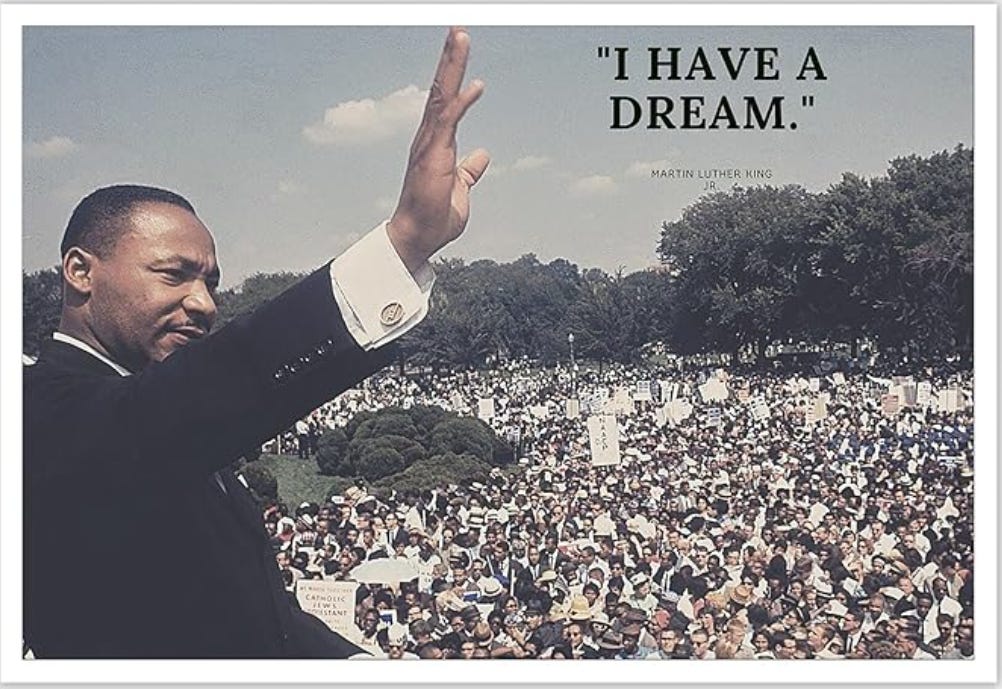
That’s why, in 2026, Maryland feels like one of the most honest places to measure whether we are inching closer to the dream Dr. King laid out on the steps of the Lincoln Memorial. His vision — “the sons of former slaves and the sons of former slave owners sitting down together at the table of brotherhood” — wasn’t meant as poetry. It was a blueprint. A test. A challenge.
And Maryland, imperfect as it is, is one of the few states actively trying to meet it.
---
A State That Cannot Escape Its Past — And Doesn’t Try To
Maryland’s history is not theoretical. It is lived:
- Black families on the Eastern Shore whose ancestors were enslaved on the same land they farm today
- White families whose ancestors held office, land, and power in the old order
- Communities where those lineages now live side by side, work together, govern together, and argue together
The past is not erased here. It is confronted. Sometimes clumsily, sometimes courageously, but always in the open.
That alone puts Maryland ahead of many states still pretending their history is someone else’s problem.
The Middle Temperament
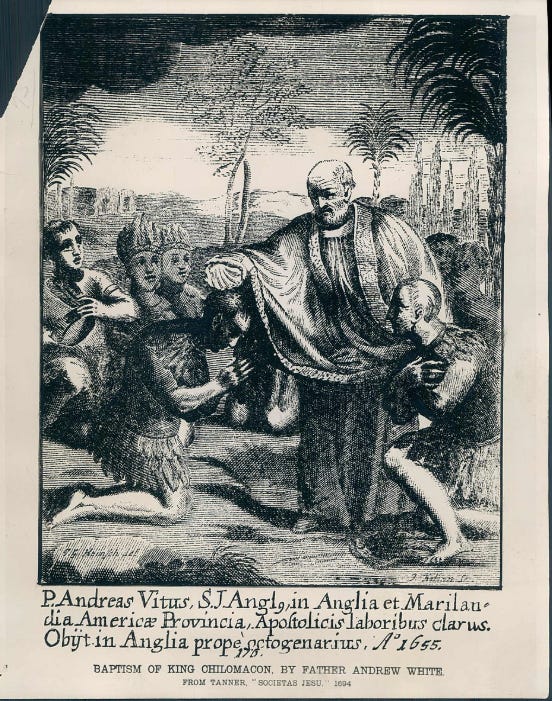
Few leaders understood Maryland’s contradictions better than Senate President Mike Miller — a man who embodied them. He could insult Baltimore on live television, wear Confederate cavalry buttons as cufflinks, and still spend a lifetime advancing civil rights legislation. He was a product of Maryland’s tensions, and he governed through them.
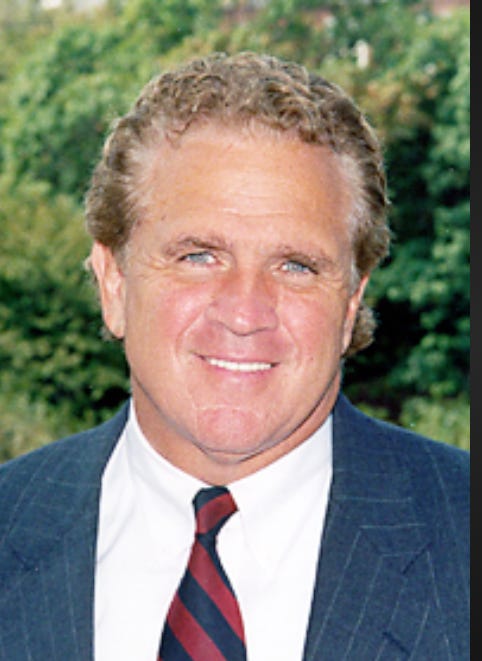
Miller often reached back to a phrase that predates the state itself: Maryland as a place of “middle temperament.” The line comes from Father Andrew White in 1634, describing a land “between New England and Virginia,” a place that “enjoys the advantages, and escapes the evils, of each.”
Miller adopted that phrase as a kind of political compass. Maryland, he argued, was neither fully North nor fully South — a borderland where people wore both blue and gray, where the past was complicated and the present demanded cooperation. It was a state where extremes rarely prevailed, where the work of democracy happened in the middle, and where progress came not from purity but from persistence.
That “middle temperament” is not an excuse for complacency. It is a recognition of reality: Maryland’s identity has always been forged in the tension between its histories. And it is precisely that tension — that willingness to live in the uncomfortable middle — that makes Maryland one of the few places genuinely wrestling with the fulfillment of King’s dream.
The Work of a Multiracial Democracy
Maryland’s politics are not gentle. They are loud, contested, and often uncomfortable — which is exactly what democracy looks like when everyone has a seat at the table.
You see it in:
- coalition‑building across Baltimore City, Prince George’s County, and the rural counties
- environmental justice fights that force the state to reckon with who has borne the cost of pollution
- debates over schools, housing, and transportation that reveal the old divides and the new alliances
- a legislature that increasingly looks like the people it serves
This is the work King imagined — not the absence of conflict, but the presence of shared responsibility.
Maryland as a Continuation of the Dream
No one would claim Maryland has arrived. The disparities are real. The wounds are deep. The work is unfinished.
But something is happening here that deserves attention.
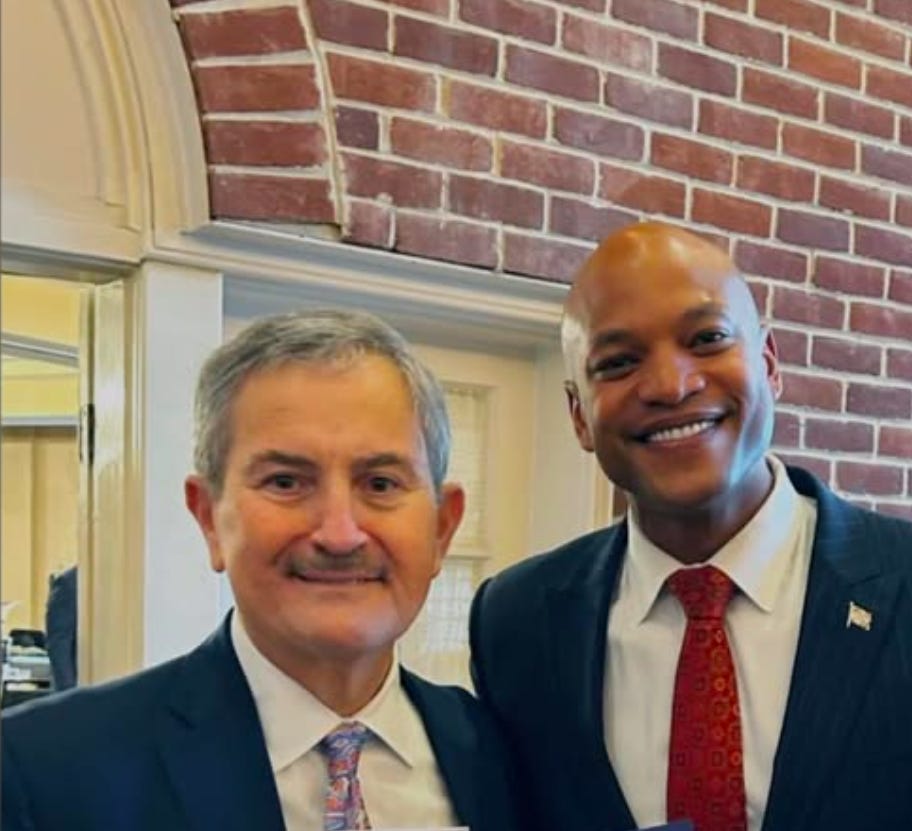
Maryland is one of the few states where the descendants of both sides of slavery’s history are not just coexisting — they are building a future together. Not perfectly. Not without setbacks. But with intention.
The dream is not a monument. It is a movement. And Maryland, in its messy, human, hopeful way, is moving.
A State That Chooses the Table
King’s “table of brotherhood” was never meant to be comfortable. It was meant to be courageous.
Maryland is choosing that table every day:
- in its politics
- in its classrooms
- in its neighborhoods
- in its willingness to name its past and still fight for its future
That is the quiet miracle of this state — not perfection, but persistence.
Maryland is not the fulfillment of King’s dream. But it is one of the places where the dream is being worked on, argued over, and carried forward by people who understand that history is not something you escape. It is something you transform.
And in that sense, Maryland is not just remembering the dream.
It is trying, in its own way, to live it.
Andrew White , the “Apostle to Maryland”, baptizing the Indian chief Chitomachon