

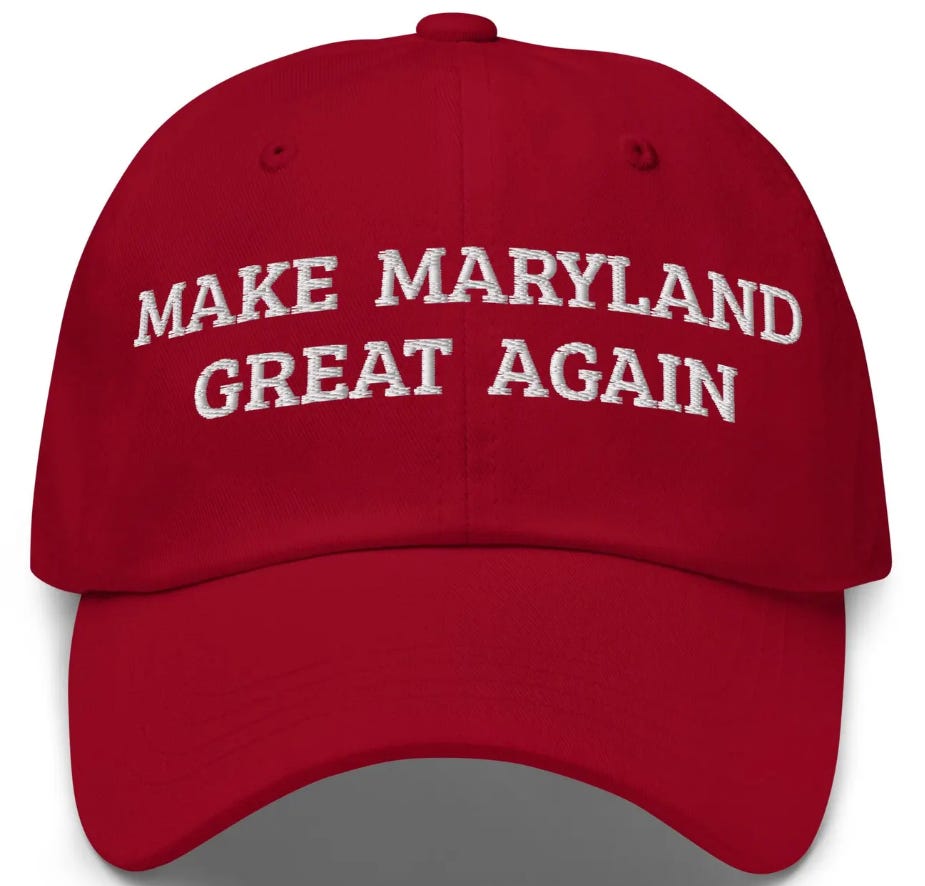
🧭 The Poverty Paradox: How Economic Despair Fuels MAGA Loyalty in Maryland’s Forgotten Counties
By Barry O’Connell | Maryland Wire
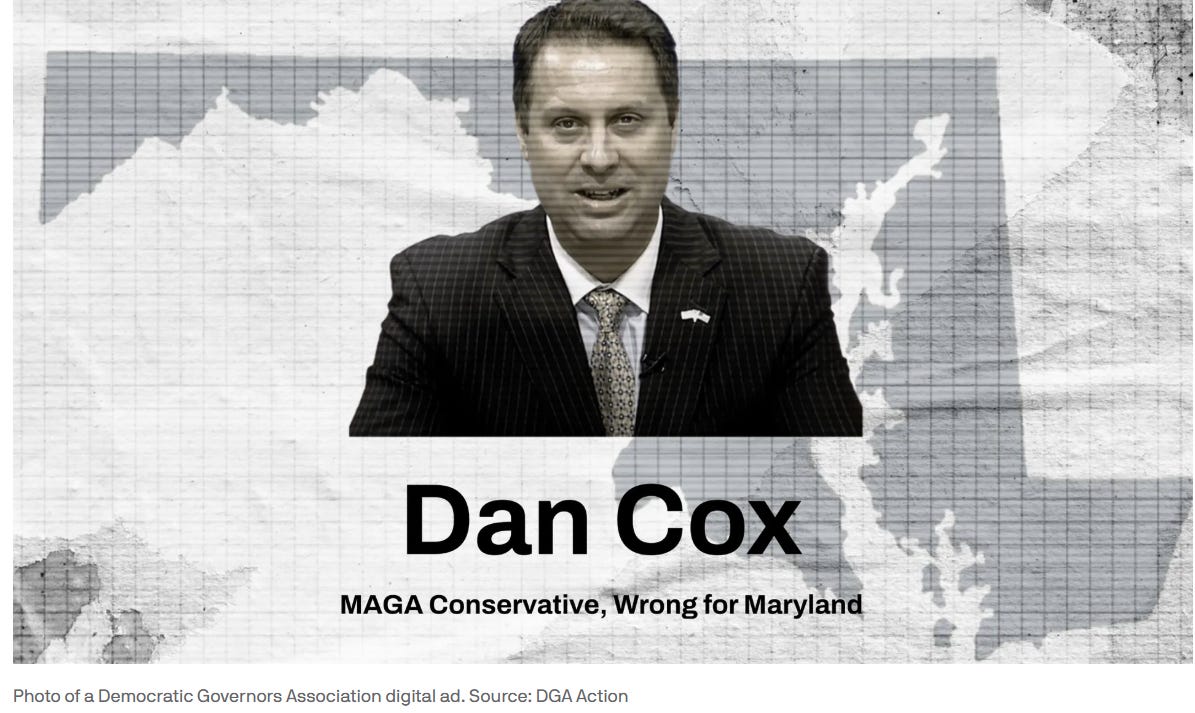
In Maryland’s 2022 gubernatorial race, Republican Dan Cox didn’t win a single county where fewer than 10% of residents relied on food stamps. Not one.
Two years later, Donald Trump’s 2024 performance in the state followed the same pattern: his strongest support came from the same economically distressed counties—places where SNAP participation routinely exceeds 15%, and in some cases, 20%.
This isn’t a fluke. It’s a feedback loop.
📉 The Data Doesn’t Lie
Let’s look at the top counties Dan Cox carried in 2022:
| County | Cox Vote % (2022) | Trump Vote % (2024) | SNAP Rate |
| Garrett | 76.4% | 74.1% | 12.9% |
| Allegany | 64.2% | 68.9% | 20.0% |
| Washington | 65.3% | 60.2% | 15.4% |
| Caroline | 60.2% | 58.7% | 18.4% |
| Dorchester | 56.8% | 55.1% | 23.1% |
| Somerset | 55.6% | 54.3% | 22.9% |
| Cecil | 52.5% | 53.8% | 13.0% |
| Wicomico | 43.3% | 47.6% | 20.3% |
| Kent | 32.8% | 35.2% | 13.4% |
| Talbot | 29.1% | 32.7% | 11.0% |
Maryland’s statewide average SNAP participation rate is approximately 11.5%. Every county Cox won was above that line.
🧠 Voting Against the Safety Net?
This raises a difficult question: why do voters in high-SNAP counties overwhelmingly support candidates who campaign on cutting the very programs they rely on?
The answer isn’t stupidity—it’s alienation. Many of these voters feel abandoned by both parties, but MAGA messaging offers something potent: recognition. Not policy solutions, but emotional validation. A sense that someone sees their struggle, even if the proposed remedies are performative at best and punitive at worst.
🔄 The Cycle of Despair and Defiance
In counties like Allegany and Somerset, where one in five residents depends on food assistance, MAGA politics has become a form of protest. It’s not about policy alignment—it’s about flipping the bird to a system that never worked for them.