

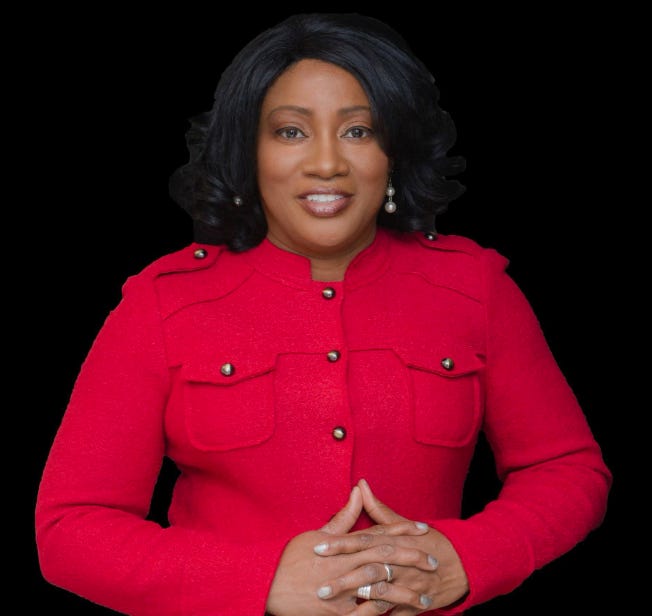
Why Many Observers See LaTasha Ward as the Logical Choice to Fill the District 24 Vacancy
When Delegate Jazz Lewis steps down to join the incoming Prince George’s County administration, the District 24 Democratic Central Committee faces a familiar but consequential task: selecting a short‑term appointee to serve out the remainder of the term. In a district with deep civic engagement and a long tradition of honoring voter intent, many community members point to LaTasha Ward as the most straightforward and democratic choice.
She was the next‑highest vote‑getter in the last election
In the 2022 Democratic primary — a “vote for three” contest — Ward finished fourth, just outside the winning slate. In districts with multi‑member seats, finishing next in line is often treated as a meaningful signal of voter preference. While not a legal requirement, it is a widely recognized norm in Maryland politics, especially for short‑term vacancies.
For a one‑year appointment, selecting the candidate who came closest to winning is seen by many as the cleanest way to honor the electorate’s most recent expression of choice.

She is already known to the district’s voters
Ward ran a visible, community‑centered campaign in 2022, and her name recognition remains strong in the district. Because this appointment lasts only through the end of 2026, familiarity matters. A short‑term appointee must be able to:
- step into constituent service immediately
- navigate local issues without a learning curve
- represent the district without needing months of orientation
Ward’s prior campaign and community presence give her a head start.
She has a reputation for steady, community‑based engagement
Ward has been active in neighborhood‑level organizing, civic associations, and local advocacy efforts. For a temporary appointment, committees often look for someone who:
- understands the district’s day‑to‑day concerns
- has existing relationships with residents
- can serve as a bridge rather than a disruptor
Her background aligns with that profile.
A short appointment calls for continuity, not upheaval
Because the term ends in January 2027, the appointee will serve:
- one legislative session
- one budget cycle
- one year of constituent casework
In these situations, many committees prioritize stability over political reinvention. Choosing the next‑highest vote‑getter is a way to maintain continuity without pre‑judging the 2026 primary.
It avoids giving any faction an unfair advantage heading into 2026
Vacancy appointments can sometimes tilt the playing field for the next election. Selecting the fourth‑place finisher — someone who already demonstrated measurable support — is often viewed as the most neutral option. It respects the voters without artificially elevating a newcomer.