

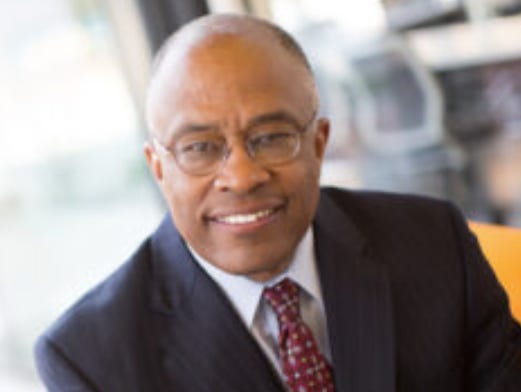
Kurt Schmoke’s Long Arc: From Baltimore’s City Hall to UBalt’s Steady Hand — and the Quiet, Growing Speculation About His Successor
BALTIMORE — Kurt L. Schmoke’s decision to retire as president of the University of Baltimore in June 2027 closes one of the most distinctive public careers in Maryland. Over five decades, Schmoke has moved from prosecutor to mayor to university president, leaving a trail of institutional reform and civic steadiness that few public figures in the state can match.
His departure also intensifies a year‑long swirl of speculation about who might follow him — and whether the next chapter has already been quietly engineered behind the scenes.
A Career That Spanned Law, Politics, and Higher Education
Schmoke’s résumé reads like a map of American civic life:
- Rhodes Scholar
- Harvard Law graduate
- White House domestic policy staffer under President Carter
- Assistant U.S. Attorney for Maryland
- Baltimore City State’s Attorney
- Mayor of Baltimore (1987–1999)
- Dean of Howard University School of Law
- President of the University of Baltimore (2014–2027)
As mayor, Schmoke pushed early for literacy initiatives, drug‑policy reform, and housing stabilization — positions that were controversial at the time but look prescient today. At UBalt, he became a stabilizing force through enrollment swings, the pandemic, and the university’s 2025 centennial.
His leadership style has always been the same: calm, methodical, and grounded in public service.
The Persistent Rumor: Calvin Ball as the Ideal Successor
For more than a year, Maryland political circles have been buzzing with a rumor — unconfirmed, unverified, and unacknowledged by all official parties — that Howard County Executive Dr. Calvin Ball is the preferred successor to Schmoke.
The rumor persists because Ball’s biography fits the UBalt moment almost too well:
- Born in Baltimore County
- Raised in Woodlawn
- Deep Maryland roots
- A spotless public reputation
- A governing style that blends technocratic discipline with community grounding
- And critically: a doctorate in education, aligning directly with UBalt’s civic‑leadership mission
Ball is term‑limited in 2026, and many insiders believe he is looking for a role that keeps him in public life without immediately returning to electoral politics.
Again:
There is no confirmation from UBalt, Ball’s office, or any official source.
But the chatter is widespread, persistent, and politically logical.
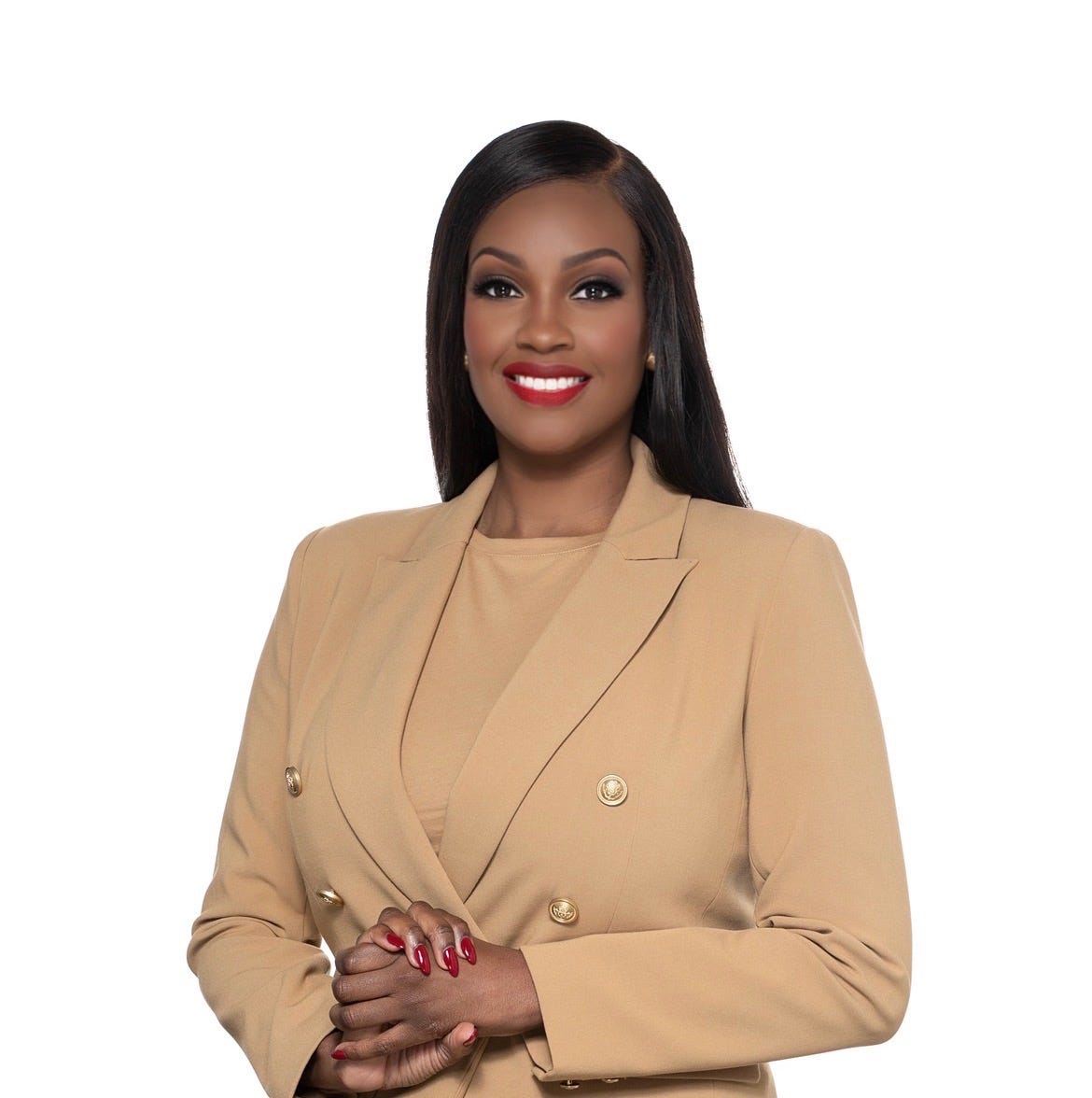
The Courtney Factor: A Potential Chief of Staff in Waiting
Another layer of speculation involves Courtney Finklea Green, Maryland’s Deputy State Treasurer and one of the most respected operational leaders in state government.
Insiders say that if Ball were to take the UBalt presidency, he would likely try to recruit Courtney as his chief of staff — a move that would instantly give his administration credibility, discipline, and political reach.
Courtney’s academic credentials are unusually deep:
- A doctorate‑level education degree without dissertation (often called an Ed.S doctorate or doctoral coursework completion)
- Four master’s degrees, spanning education, administration, and public‑sector leadership
- A professional reputation for competence, organization, and crisis‑management
Her résumé mirrors the kind of institutional backbone UBalt presidents typically rely on.
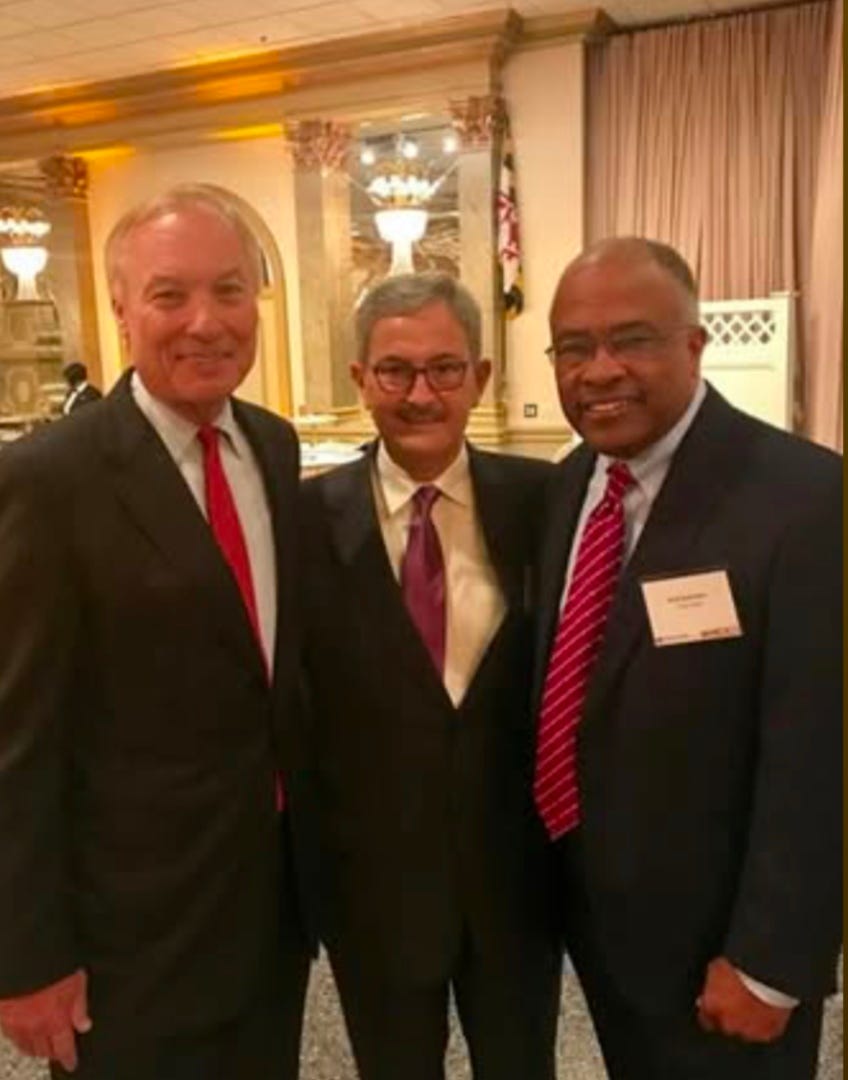
The Kaikis Theory: A Year of Quiet Engineering
Behind all of this sits one of the most interesting subplots in Maryland politics: the role of Clemis Kaikis, the longtime political operator affectionately known as “Maryland’s Greek Uncle.”
According to multiple political insiders, Kaikis has spent the last year talking up Ball as the best‑qualified successor to Schmoke — not loudly, but persistently, in the quiet, relationship‑driven way that actually moves Maryland politics.
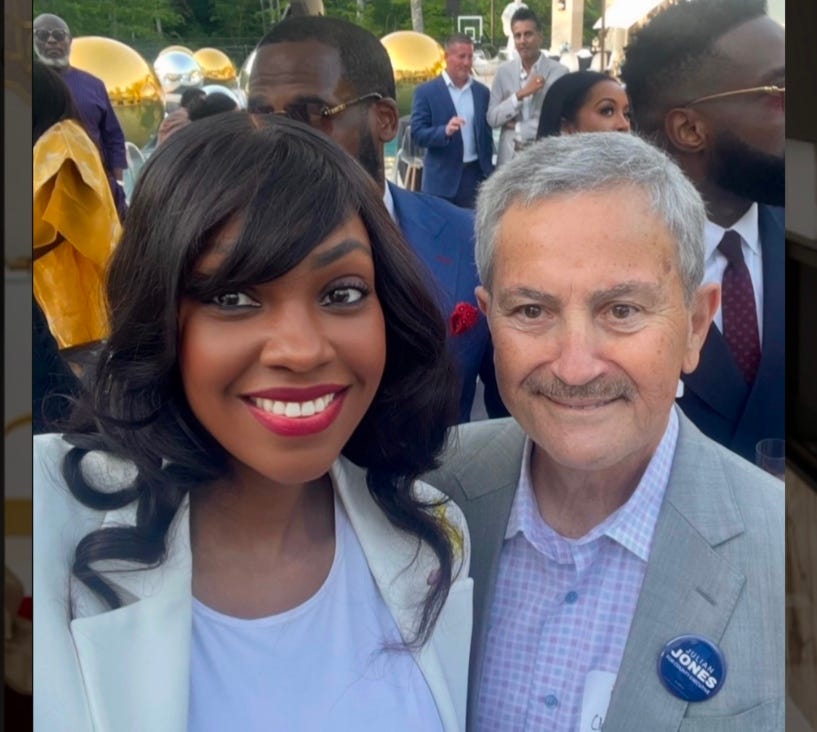
Some believe Kaikis has been nudging the pieces into place for months:
Ball as president, Courtney as chief of staff, and a smooth transition engineered long before Schmoke’s announcement.
None of this is confirmed.
But the rumor has become part of the political weather system surrounding Schmoke’s retirement.
What UBalt Says Will Happen
The University of Baltimore has stated that a national search committee will be formed later this summer. The expectation is a thorough, competitive search for the most qualified candidate — a process that typically takes 9–12 months.
Schmoke will remain in office through June 2027 to ensure continuity.
A Transition Moment for Baltimore’s Civic Institutions
Schmoke’s retirement marks the end of an era defined by steadiness and institutional loyalty. Whether the next chapter features Calvin Ball, Courtney Finklea Green, or a national candidate with no Maryland ties remains to be seen.
But the conversation has already begun — and Maryland’s political class is watching closely.