


Izzy Patoka’s call for police oversight may look like reform—but insiders say it’s a calculated pivot after years of undermining Black representation in Baltimore County. From redistricting maps to recreation policy, Patoka’s record raises serious questions about racial equity.
🧭 Maryland Wire Editorial: Izzy Patoka’s Sudden Pivot on Policing—Reform or Reputation Rehab?
By Barry O’Connell | Maryland Wire Method | October 28, 2025
Councilman Izzy Patoka wants Baltimore County residents to believe he’s serious about racial justice. This week, he called for an outside investigation into the county’s police department, citing troubling disparities in traffic stops involving Black drivers. He suggested the Office of Inspector General (OIG) should lead the review, praising its ability to examine operational practices with independence and rigor.
This concerns many because of the unwholesome relatiomshipp between Izzy and Madigan, But for many in Baltimore County’s Black communities, this move feels less like reform—and more like reputation rehab.
🚨 The Traffic Stop Disparities
Patoka’s call follows a Baltimore Banner investigation and a county-commissioned deep dive showing that Black drivers are stopped, searched, and ticketed at significantly higher rates than white drivers. In some precincts, the disparities are staggering. The Woodlawn precinct, for example, reported 86% of traffic stops involving Black drivers, compared to just 7% for white drivers.
The data is real. The problem is urgent. But Patoka’s sudden interest in oversight raises eyebrows.
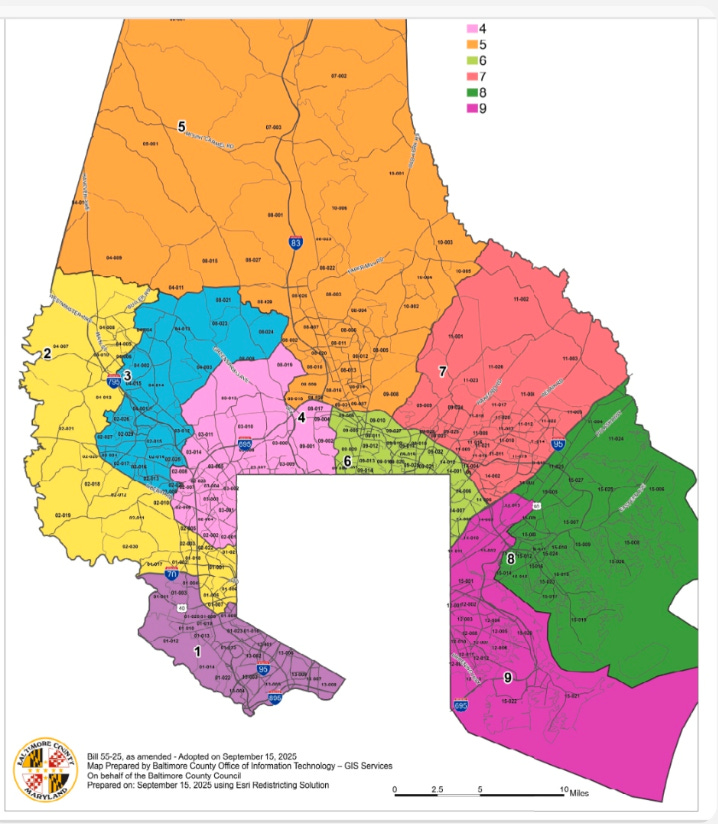
🧨 Redistricting: The Map That Broke Trust
Patoka was a lead architect of the controversial redistricting map passed in 2025. Despite calls for equitable representation, the map ensures that only one of nine council seats will likely be held by a Black representative, even though people of color make up nearly half the county’s population.
Civil rights groups, including the ACLU of Maryland, blasted the map for diluting Black voting power and ignoring community input. Patoka’s defense? That the map “unified communities.” But critics say it fractured Black neighborhoods and locked in white control of the council.
🏗️ Recreation Policy: Pickleball Over Pools
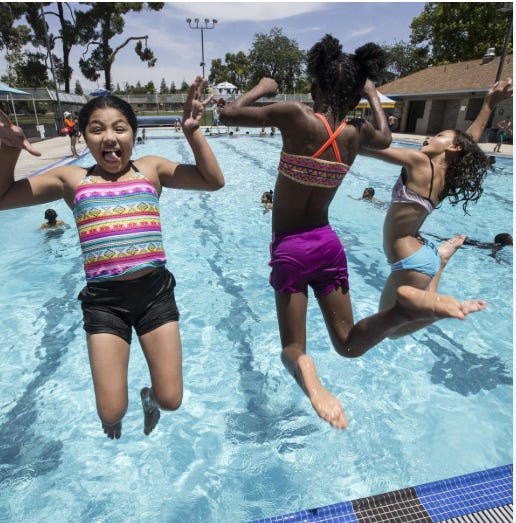
Patoka also pushed through a redevelopment plan for the Pikesville Armory, converting it into a $100 million recreation hub. But instead of including public swimming facilities, which many Black families requested, the plan prioritized pickleball courts.
Community members allege that this decision was influenced by pressure from Orthodox and conservative Jewish constituents, who were uncomfortable with integrated swimming spaces. Whether intentional or not, the optics are troubling: a public space redesigned to exclude, not include.
🧍♂️ Candidate Endorsements: Blocking Black Leadership?
In the one district where Black representation was most viable, Patoka is backing Ruben Amaya, a white candidate whose campaign has been clouded by allegations of sexual misconduct. This move is seen by many as a deliberate effort to block Black leadership in a district that should be a stronghold for it.
🎭 Reform or Reputation Management?
So what’s really going on here? Is Patoka trying to address systemic bias—or trying to clean up a record that’s already alienated Black voters?
A former high-ranking Republican official put it bluntly: “Izzy’s trying to clean up a mess he helped make. But people remember who drew the maps.”
🧭 Final Take
Patoka’s call for police oversight is welcome—but it’s not enough. Real reform requires consistency, not convenience. And for many in Baltimore County, Patoka’s record speaks louder than his press releases.
📎 Footnotes
4. http://www.naiopmd.org/news/armory-project-promises-new-life-for-downtown-pikesville
5. http://www.wypr.org/wypr-news/2024-01-22/transformation-of-pikesville-armory-to-begin
6. http://www.icrc.net/programs-and-activities/pickleball
7. http://www.cbsnews.com/baltimore/news/baltimore-county-council-redistricting-map
10. http://www.baltimorecountymd.gov/departments/police/sexual-assault