🏊 Is Public Swimming a Moral Imperative for Baltimore County?
By Barry O’Connell
In Baltimore County, we have pickleball courts. We have private swim clubs. We have country clubs with manicured lawns and gated access. But what we don’t have—anywhere in the county—is a single public county swimming pool accessible to underserved communities, particularly Black youth in areas like Pikesville.
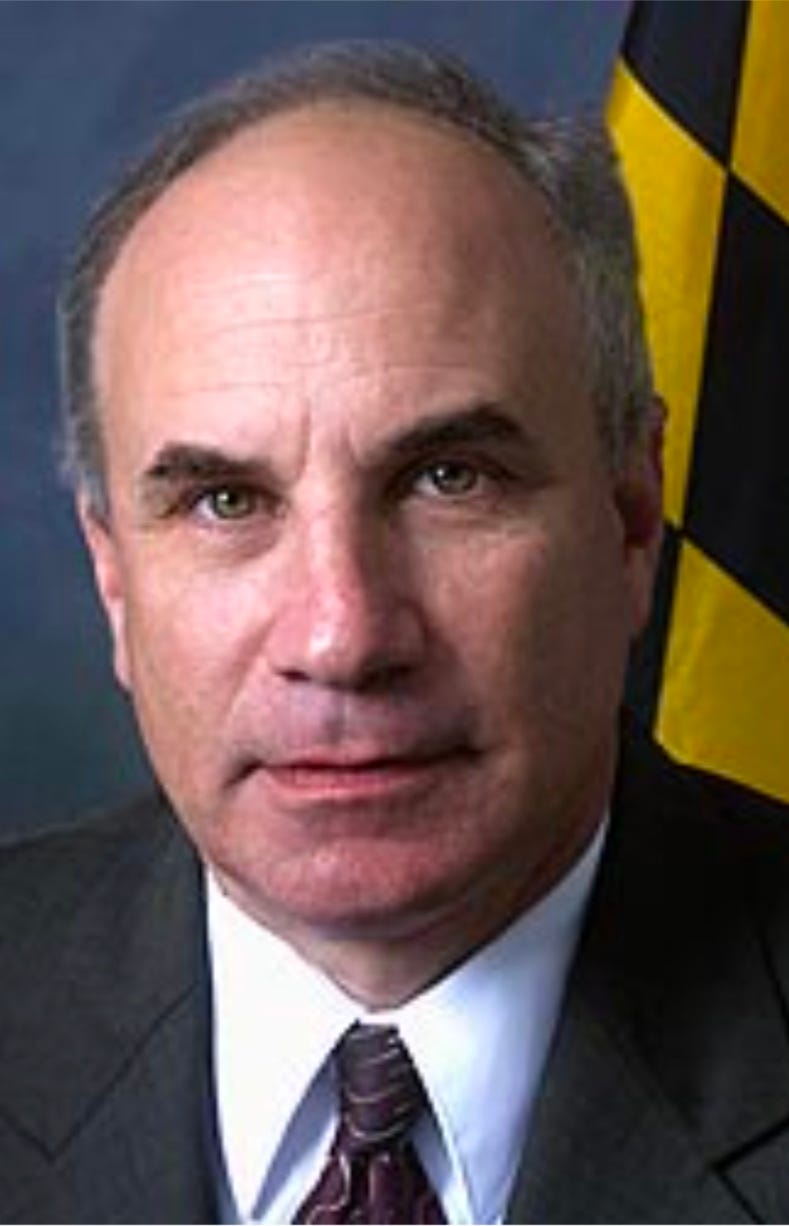
This isn’t just a civic oversight. It’s a moral failure. And for Councilman Izzy Patoka, who has exercised his prerogative to block a public pool at the Pikesville Armory site, it’s a moment of reckoning—not just politically, but spiritually.
🕍 What Does Jewish Tradition Demand?
Councilman Patoka is a proud Jewish leader in a historically Jewish district. His supporters often invoke Jewish values to defend his record. So let’s take them seriously. Let’s ask: what does Jewish law, custom, and moral teaching say about this kind of decision?
The Torah commands: “Justice, justice shall you pursue” (Deuteronomy 16:20). The repetition isn’t poetic—it’s emphatic. Justice isn’t optional. It’s urgent. It’s active. It’s communal.
The Talmud teaches: Kol Yisrael areivim zeh bazeh—“All of Israel is responsible for one another.” But the rabbis didn’t limit that responsibility to fellow Jews. The concept of b’tzelem Elohim—that every human is created in the image of God—demands that we extend dignity, access, and inclusion to all people.

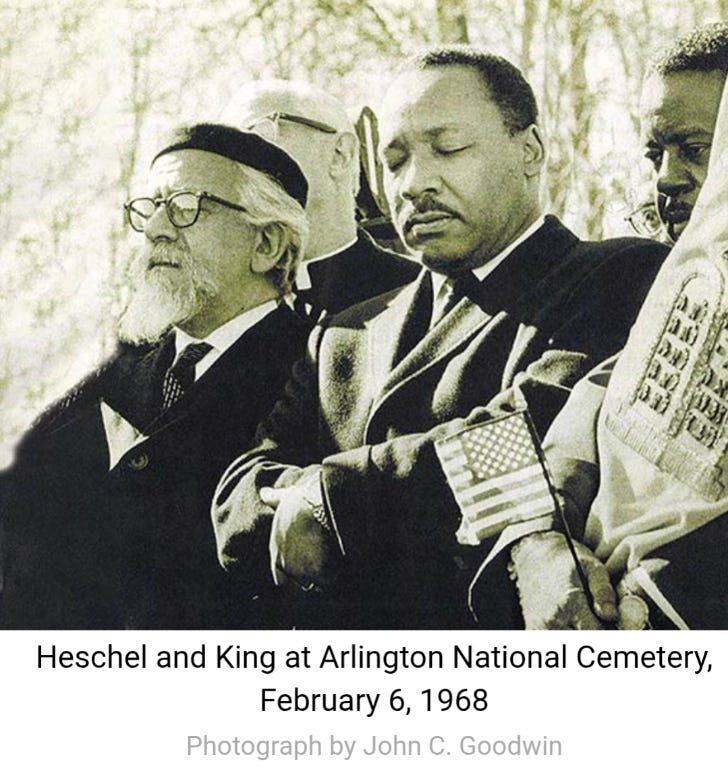
Rabbi Abraham Joshua Heschel, who marched with Dr. King, said: “In a free society, some are guilty, but all are responsible.” When public resources are withheld from Black youth while private clubs flourish, we are not living up to the prophetic tradition of Judaism. We are failing to repair the world—tikkun olam.
🧠 The Ethical Test
If Councilman Patoka’s actions truly reflect the values of Torah, Talmud, and Jewish ethical thought—then what else could he do? But if his decisions contradict the imperative to welcome the stranger, protect the vulnerable, and pursue equity, then he is not merely making a political choice. He is violating the moral covenant that underpins his tradition.
This isn’t about religion. It’s about responsibility. It’s about whether our leaders—especially those who claim moral authority—will act in accordance with the values they profess.