

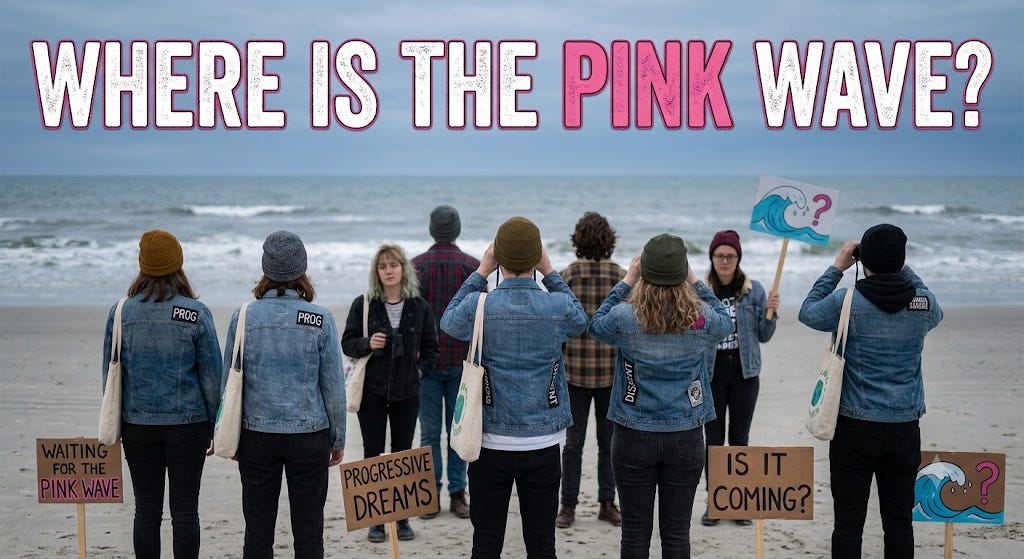
The Progressive Narrative vs. the Democratic Electorate
Every few years, a progressive candidate wins a primary in New York, Boston, Minneapolis, or Seattle, and the press reacts as if the tectonic plates of American liberalism have shifted. But structurally, the Democratic Party is not built around progressive activists. It is built around:
- Black voters in the South
- Older voters
- Union households
- Suburban moderates
- Liberal but not ideological professionals
- Party leadership and institutional networks
These groups form the backbone of the modern Democratic coalition. They are not hostile to progressives — but they are not driven by them. They vote for stability, competence, and coalition-building. They do not vote for ideological experimentation.
This is why South Carolina, not Brooklyn, continues to be the decisive force in Democratic presidential politics.
The Sanders Lesson, Softened but Still True
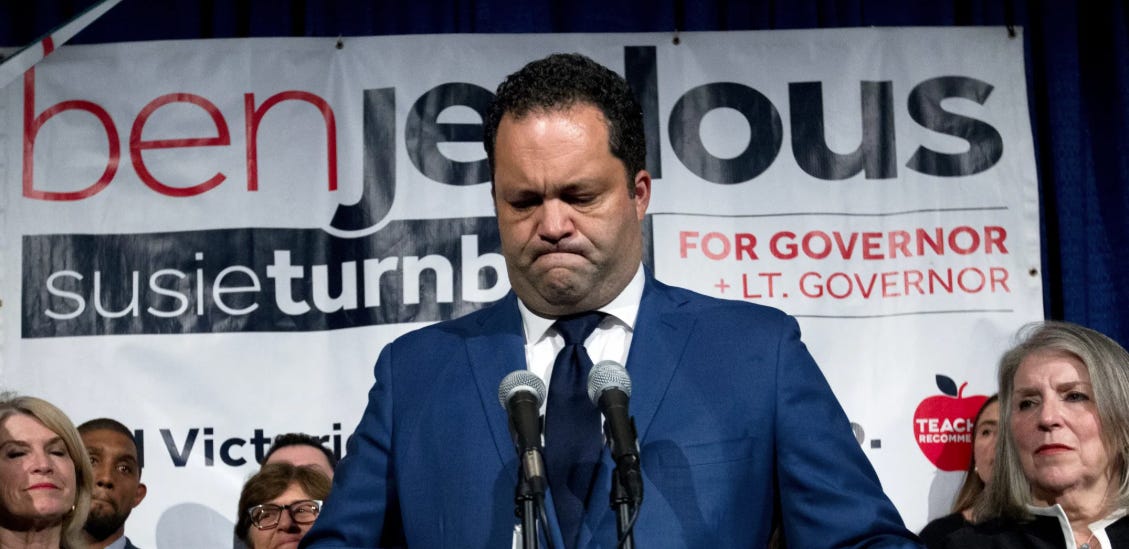
Bernie Sanders’s rise in 2016 and 2020 was real — but it was not the rise of a governing coalition. It was the rise of a protest coalition. Sanders tapped into frustration with party elites, economic anxiety, and generational discontent. But structurally, he never built the relationships or legislative record that define successful Democratic nominees.
He was a powerful messenger.
He was not a coalition-builder.
That distinction matters because the Democratic Party is, at its core, a coalition party. It rewards candidates who can knit together diverse constituencies, not candidates who electrify one faction.
The Biden Lesson: The Party’s Center of Gravity
Joe Biden’s 2020 comeback remains the clearest demonstration of the party’s true center of gravity. After finishing poorly in Iowa and New Hampshire — states that do not reflect the party’s demographic base — he won South Carolina decisively. And once South Carolina spoke, the rest of the party followed.
Not because Biden was the most exciting candidate.
Not because he was the most progressive candidate.
But because he was the most coalition-compatible candidate.
The Democratic Party rewards candidates who can hold together:
- Black voters
- Suburban moderates
- Union households
- Older Democrats
- Liberal professionals
This coalition is not ideological. It is practical.
The Harris Lesson: Coalition Fragility
When Biden stepped aside for 2024, the party did not have a real primary. It had a coronation. And coronations are dangerous because they skip the coalition-building process.
Vice President Harris had strengths — experience, national profile, donor support — but she also had liabilities:
- A prosecutorial record that alienated younger Black voters
- Progressive branding without progressive trust
- Limited appeal to working-class moderates
- A fractured relationship with parts of the party’s institutional base
The result was a turnout collapse in key demographic groups. Not ideological rebellion — coalition erosion.
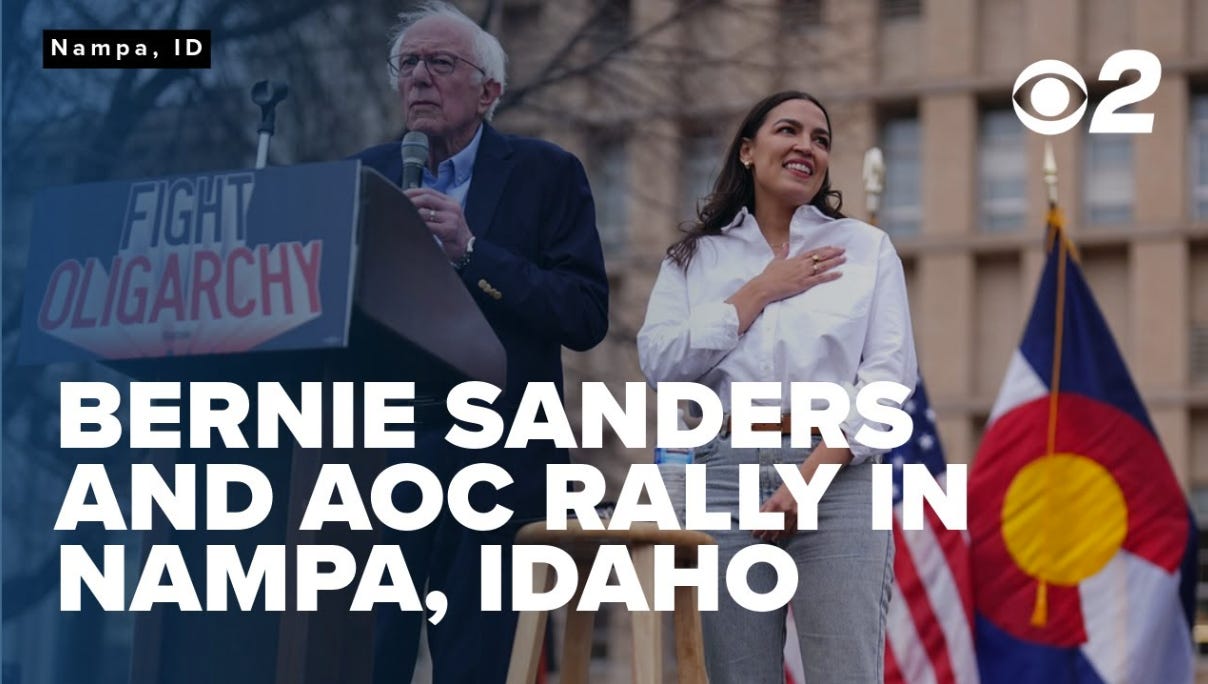
The Midterms: The Progressive “Pink Wave” That Never Quite Arrives
In 2026, the pattern repeats. A progressive wins a mayoral race in New York or a congressional primary in a deep-blue district, and the press frames it as a sign of national ideological momentum.
But structurally, these victories come from:
- Highly educated urban districts
- DSA-adjacent organizing networks
- College-town progressives
- Media markets that amplify activist voices
These are important constituencies.
They are not decisive constituencies.
The Democratic Party’s national coalition remains center-left, not movement-left.
AOC and the Moderation Curve
Alexandria Ocasio-Cortez is the best example of the party’s ideological gravity. She entered Congress as a movement progressive with a national media footprint. But over time, she has moderated — not abandoned her values, but adapted her approach.
She has built relationships.
She has reduced performative conflict.
She has moved toward coalition-compatible liberalism.
This is not ideological surrender.
It is structural reality.
The Democratic Party rewards pragmatists.
Even its progressives eventually become pragmatists.
Looking Toward 2028: The Structural Lanes, Not the Names
The conversation about 2028 is not about who will run. It is about what type of candidate can assemble a winning coalition.
There are four structural lanes:
- Pragmatic Governors — executive competence, broad appeal
- Mainstream Liberal Senators — safe liberalism, institutional trust
- Progressive Movement Candidates — narrative power, limited coalition
- Hybrid Progressive-Pragmatists — bridge candidates, volatile coalitions
The Democratic electorate will choose the lane that best fits its structural needs — stability, coalition, and electability — not the lane that generates the most online enthusiasm.
The Maryland Wire Takeaway
The Democratic Party is not in an ideological crisis.
It is in a coalition-management cycle.
Progressives will continue to win high-profile races in deep-blue districts.
Moderates will continue to dominate statewide and national contests.
The press will continue to misread progressive victories as national signals.
And the party will continue to choose nominees who can win South Carolina.
The midterms of 2026 do not reveal a party in ideological flux.
They reveal a party negotiating the same tension it has managed for decades:
the difference between the loudest Democrats and the largest Democrats.
A better take than most leftists will find anywhere, but they won't listen.